



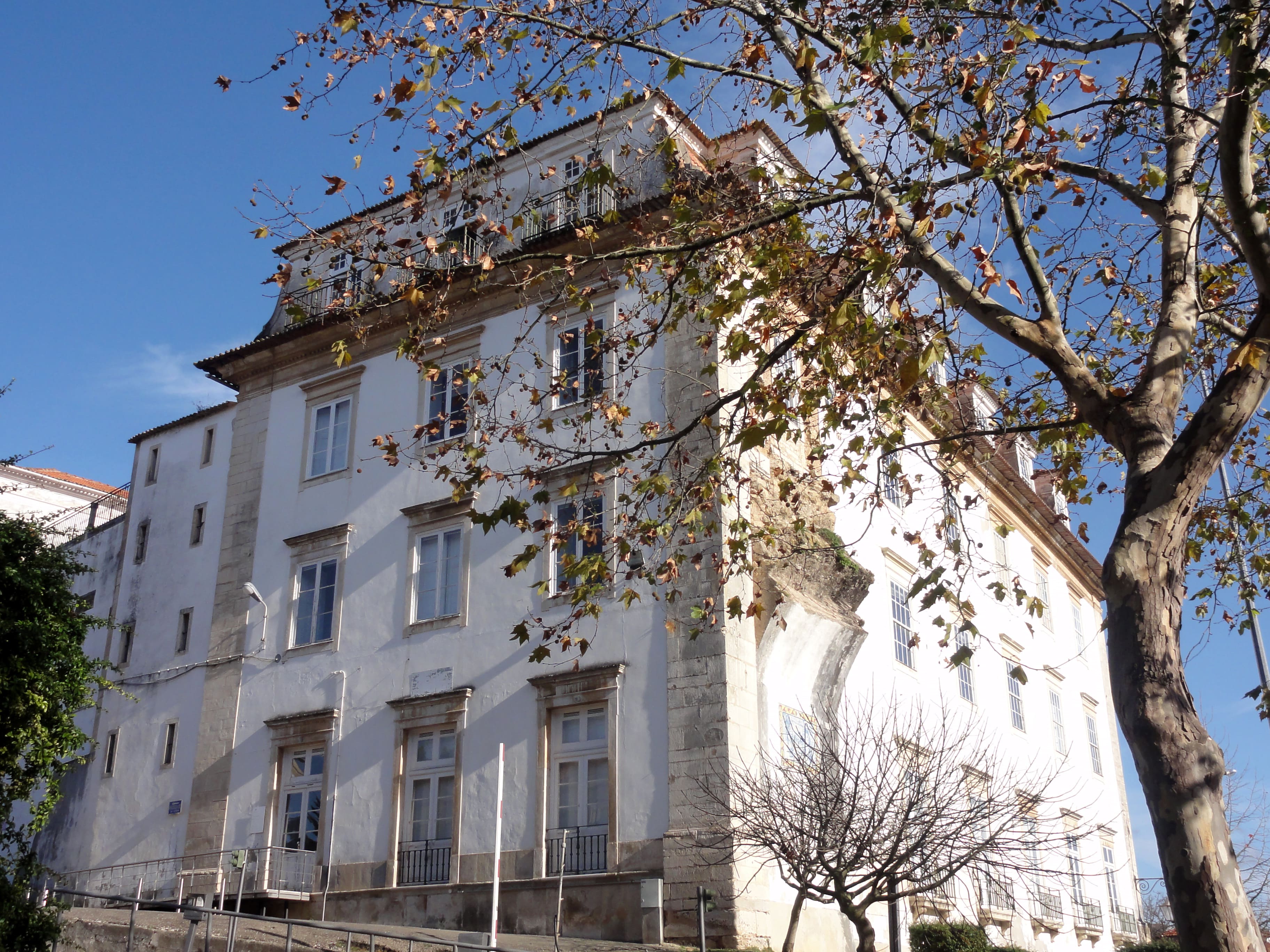
College of S. Jerónimo
Presentation
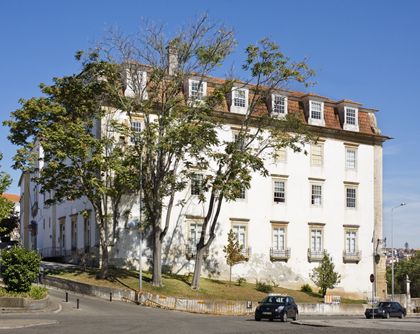
The College of São Jerónimo, located in Alta de Coimbra, is one of the most beautiful examples of Manueline architecture in the city.
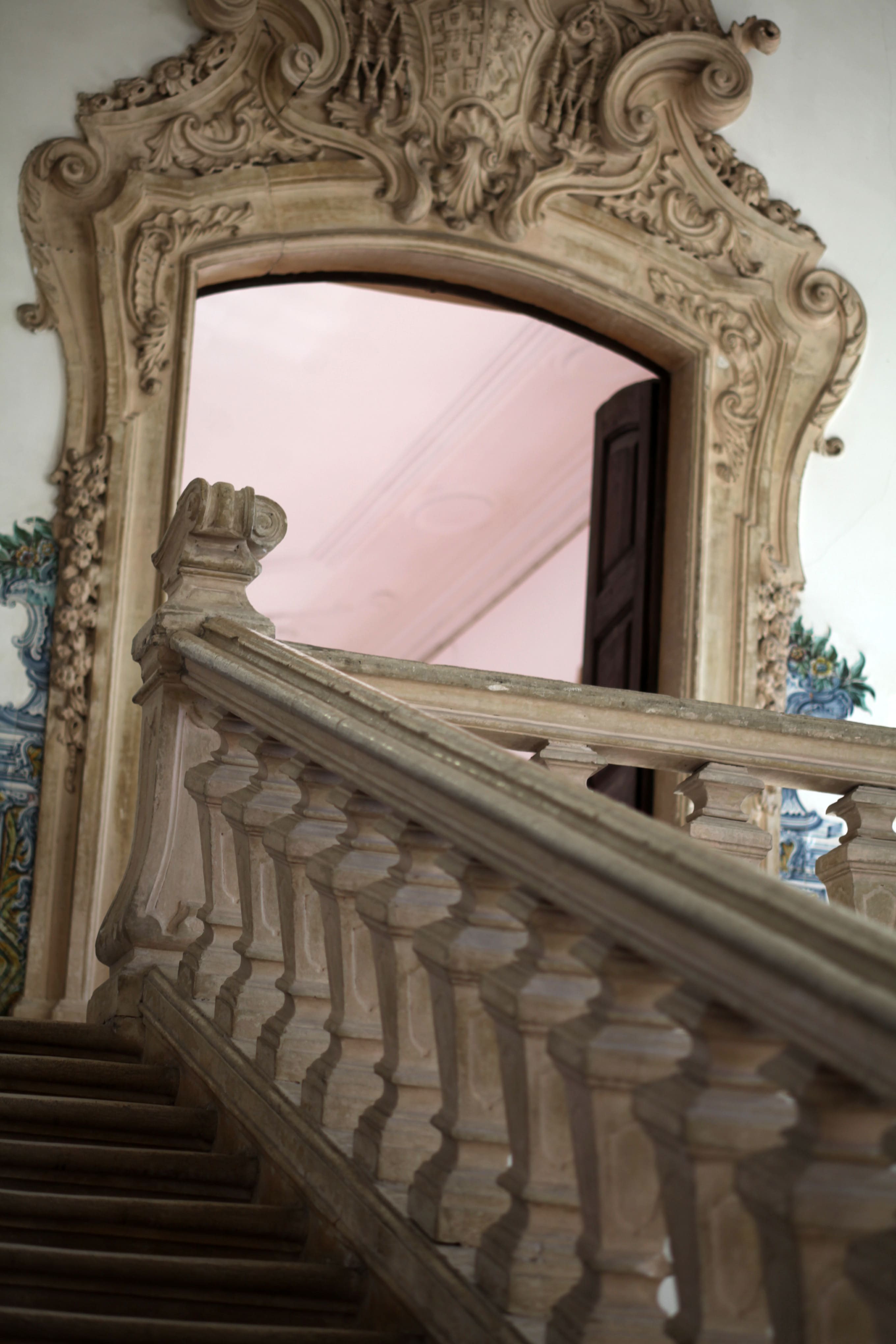
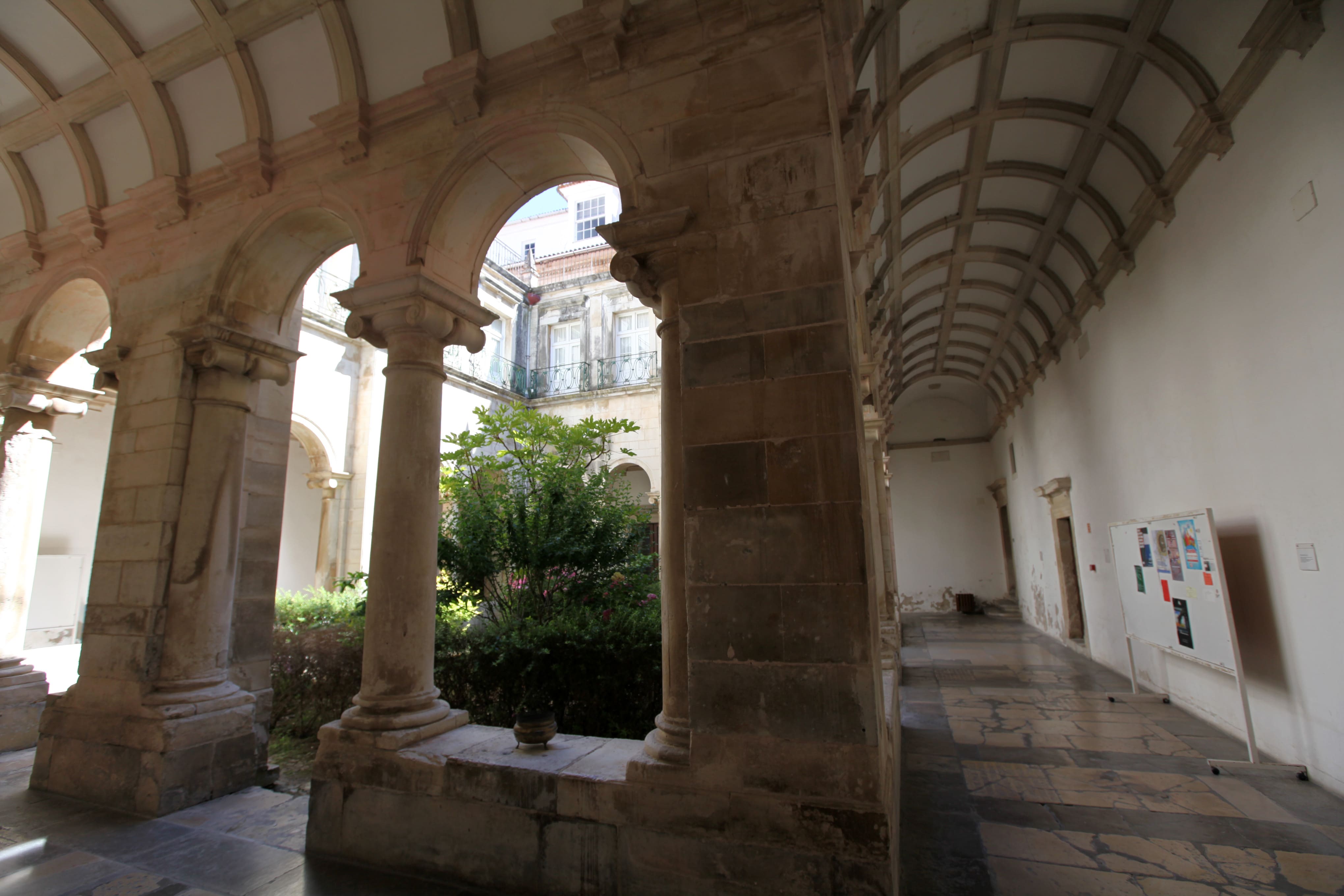
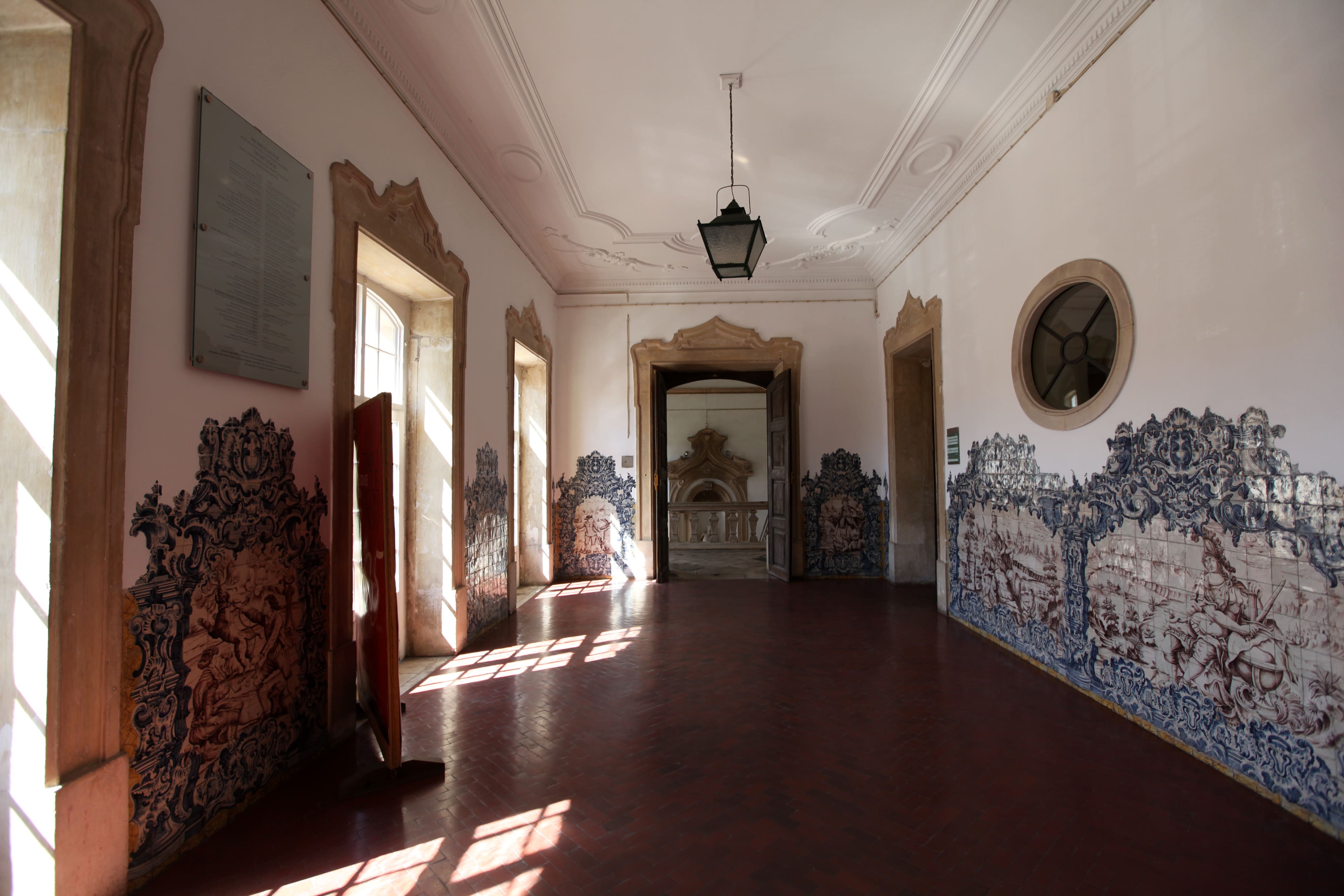
Construction of the College of São Jerónimo began under the direction of Diogo de Castilho in 1565, when the Jerónimos friars acquired a sufficiently large area to begin work. The building was erected on the city walls, starting at the Porta do Castelo, to which the church was attached. The quadrangular, two-story cloister from this first phase of construction still survives. The building was severely damaged in the 1755 earthquake, and during the reconstruction period, the grand staircase with two flights decorated with 18th-century tile panels was built. Extinct in 1834, two years later the building came into the possession of the University and, in 1848, was adapted for hospital services (Hospital Velho).
Today, it is a must-see for lovers of history, art, and heritage.
Read moreObservations
The building is part of the architectural ensemble of the University of Coimbra, which is classified as a UNESCO World Heritage site.
Particularities
The Manueline portal is one of the main attractions, richly decorated with symbolic elements and naturalistic motifs.
Extra Information
The building is used by the University for administrative and academic purposes, so access to the interior may be restricted.
Aspetos Diferenciadores
The artistic richness of the façade and its heritage context make the college a highlight in the city’s historical route.
History
Founded in 1565 by King João III, the College of Saint Jerome was intended for students connected to the Congregation of Secular Canons of Saint John the Evangelist.
The building was progressively enriched with architectural details that today constitute a remarkable testimony to the Manueline style and the university spirit of the 16th century.