



College of St. Augustine
Presentation
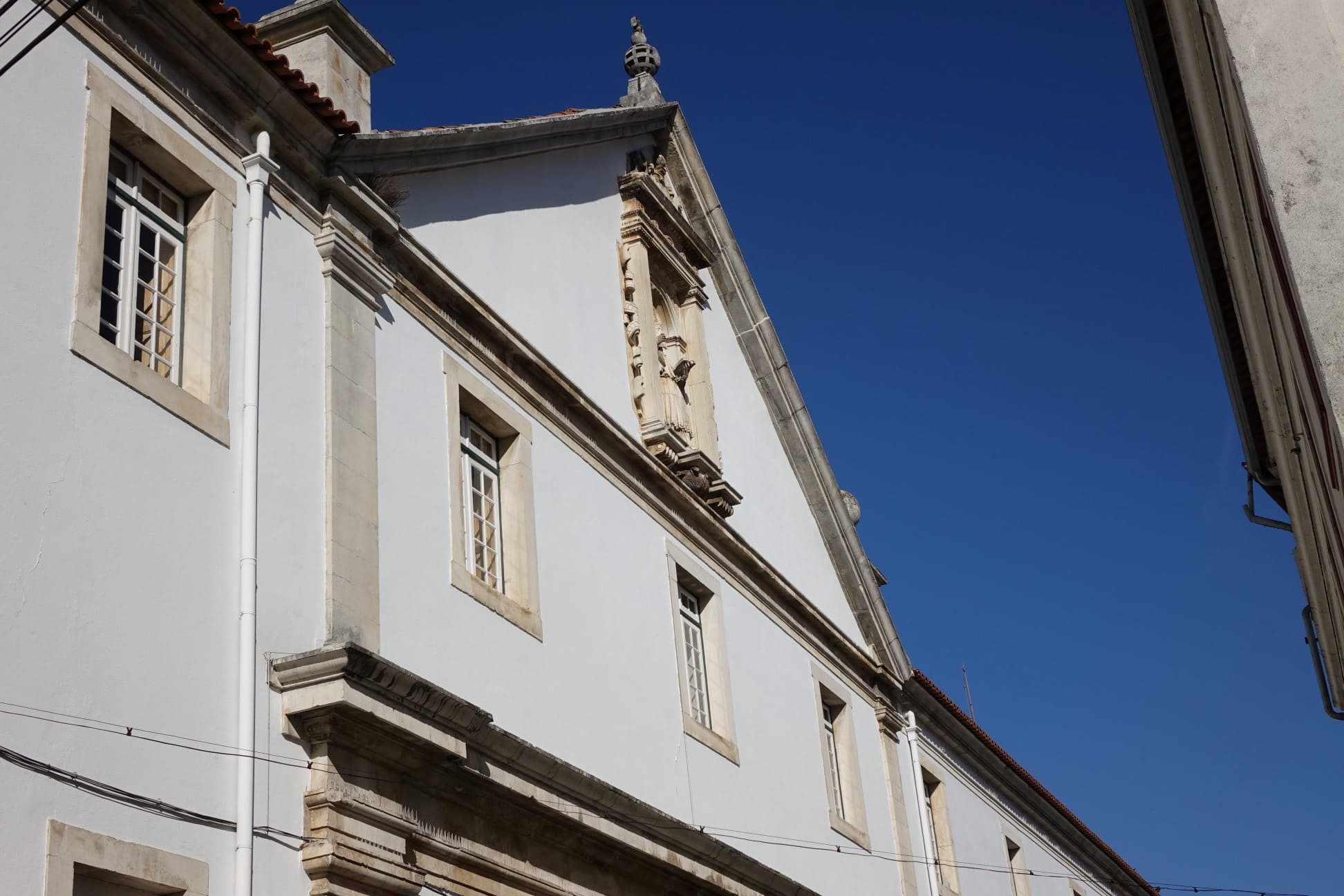
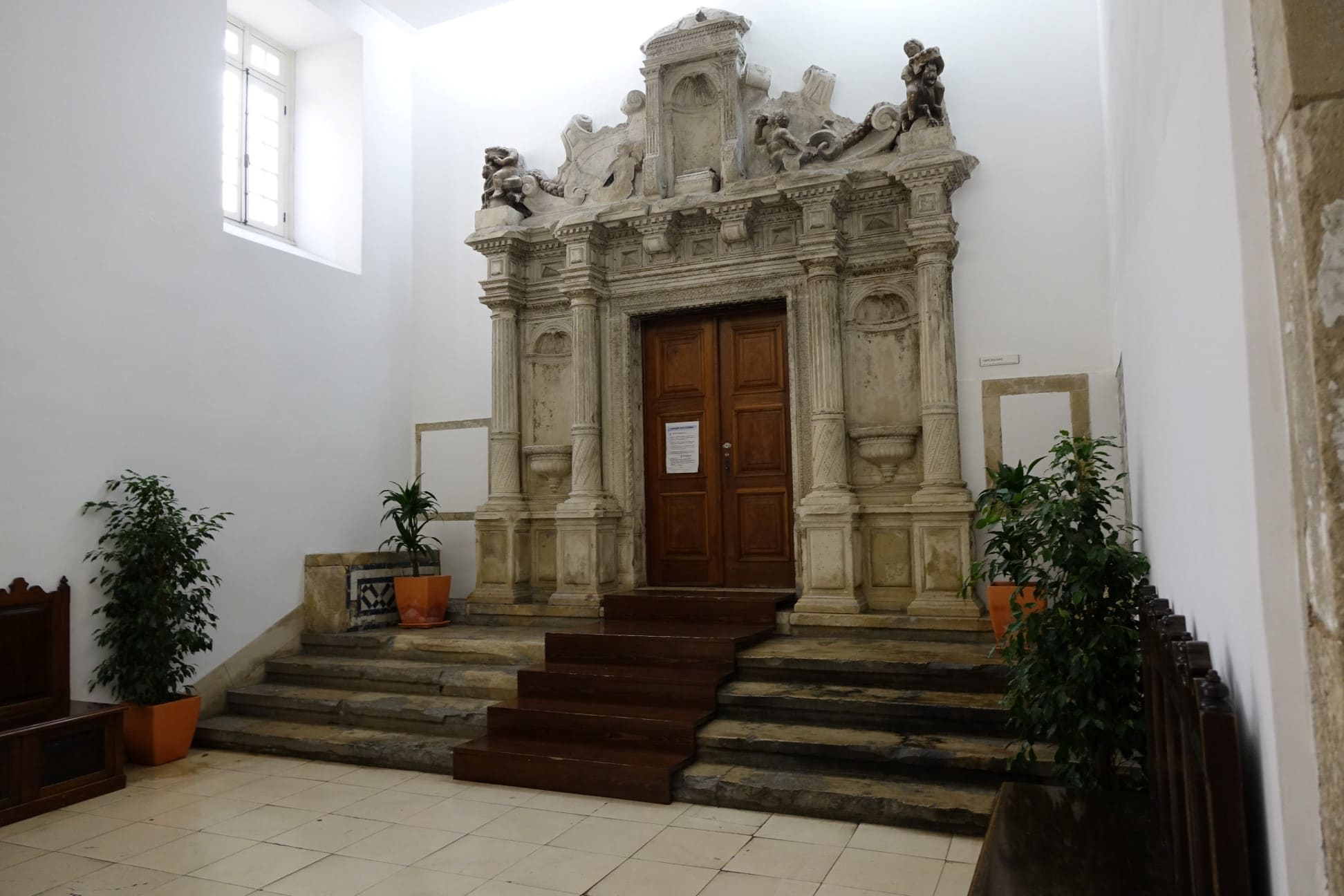
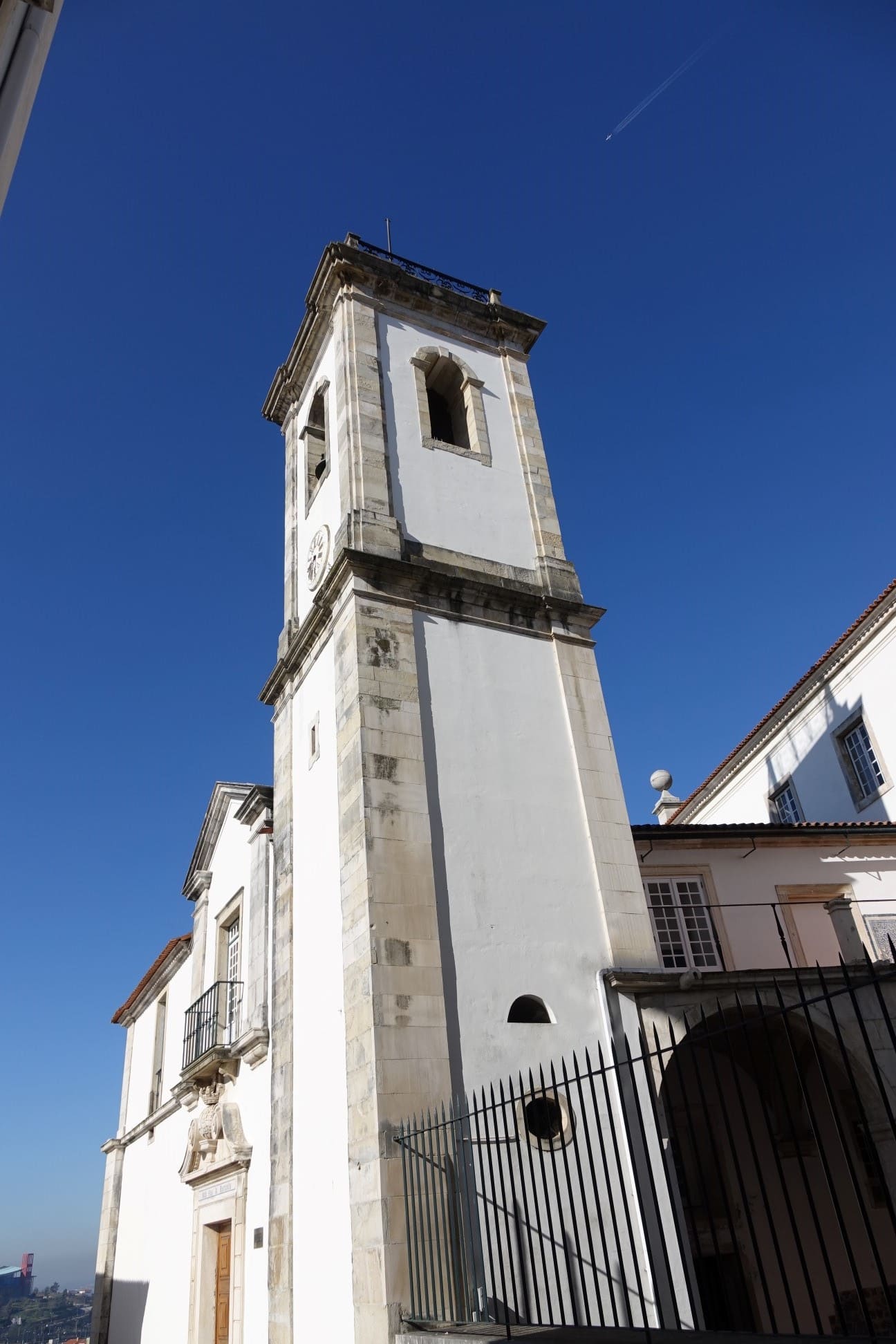
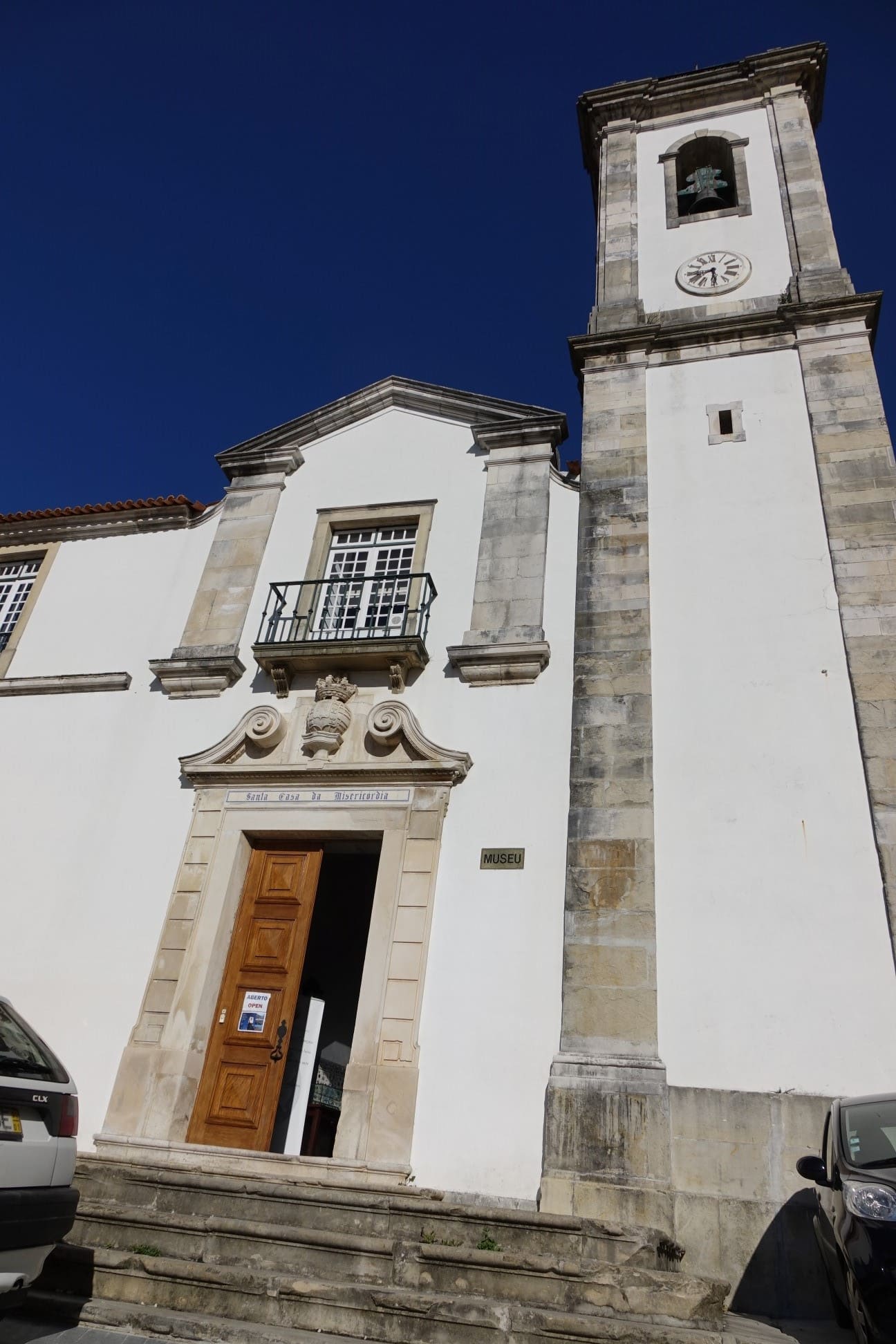
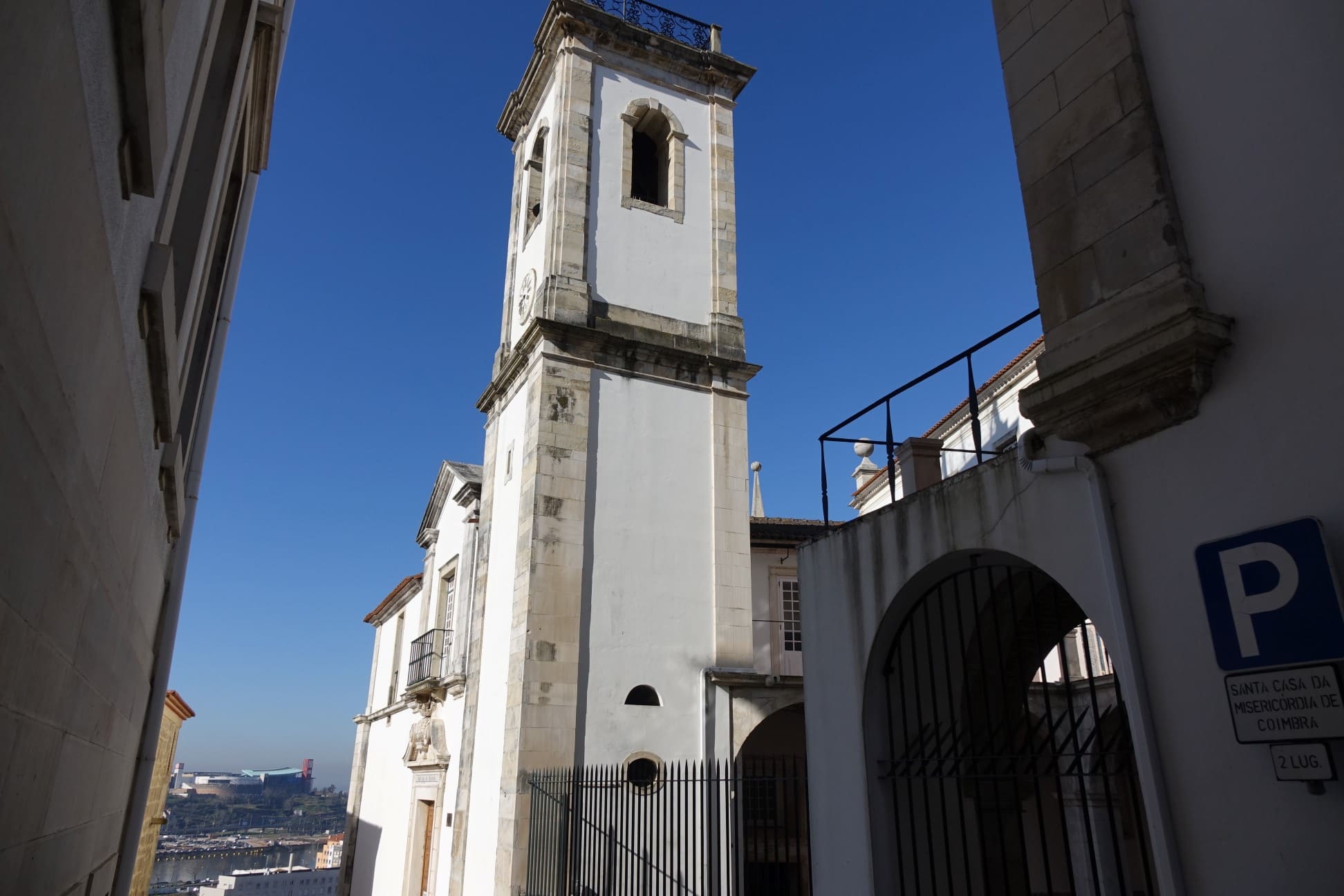
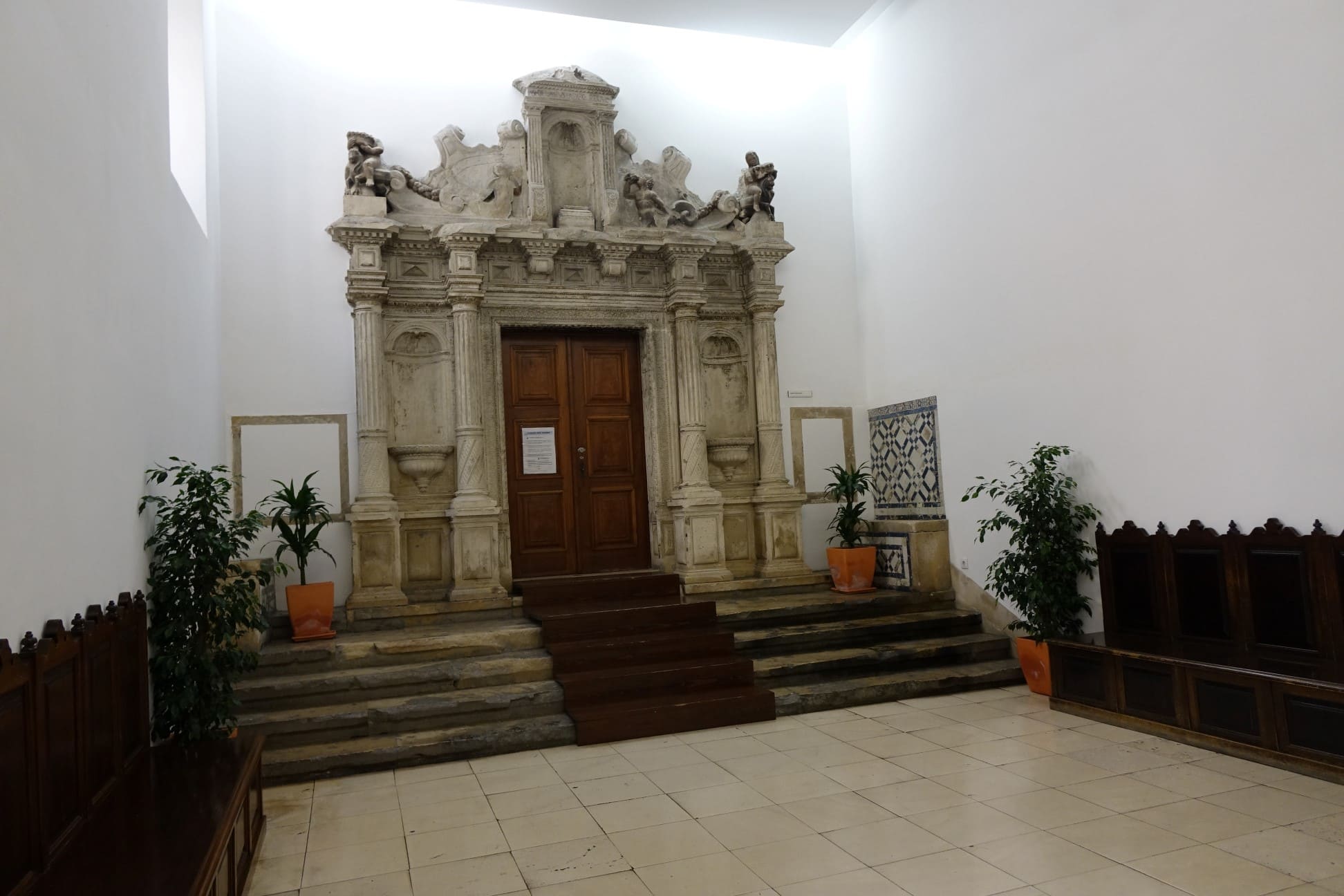
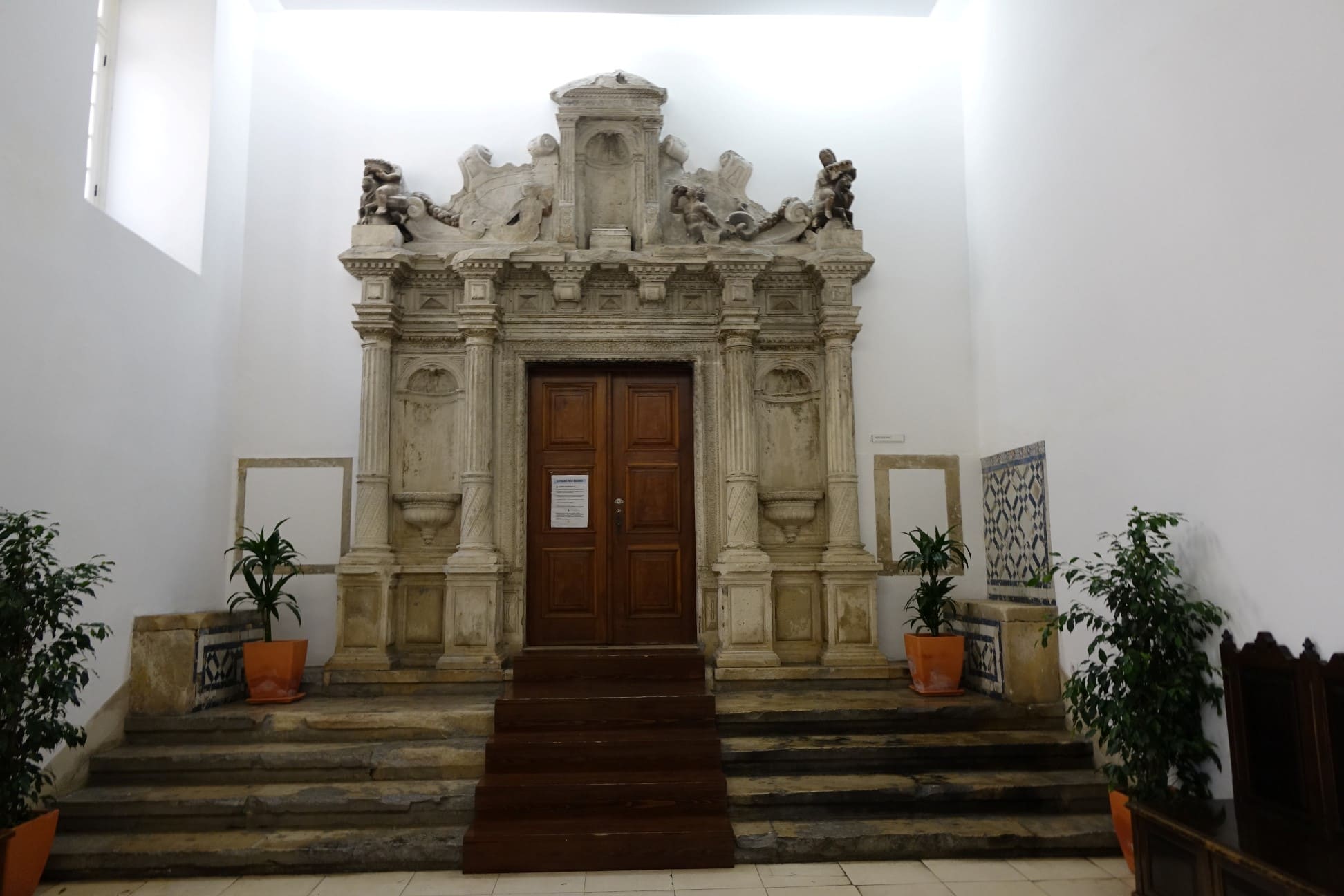
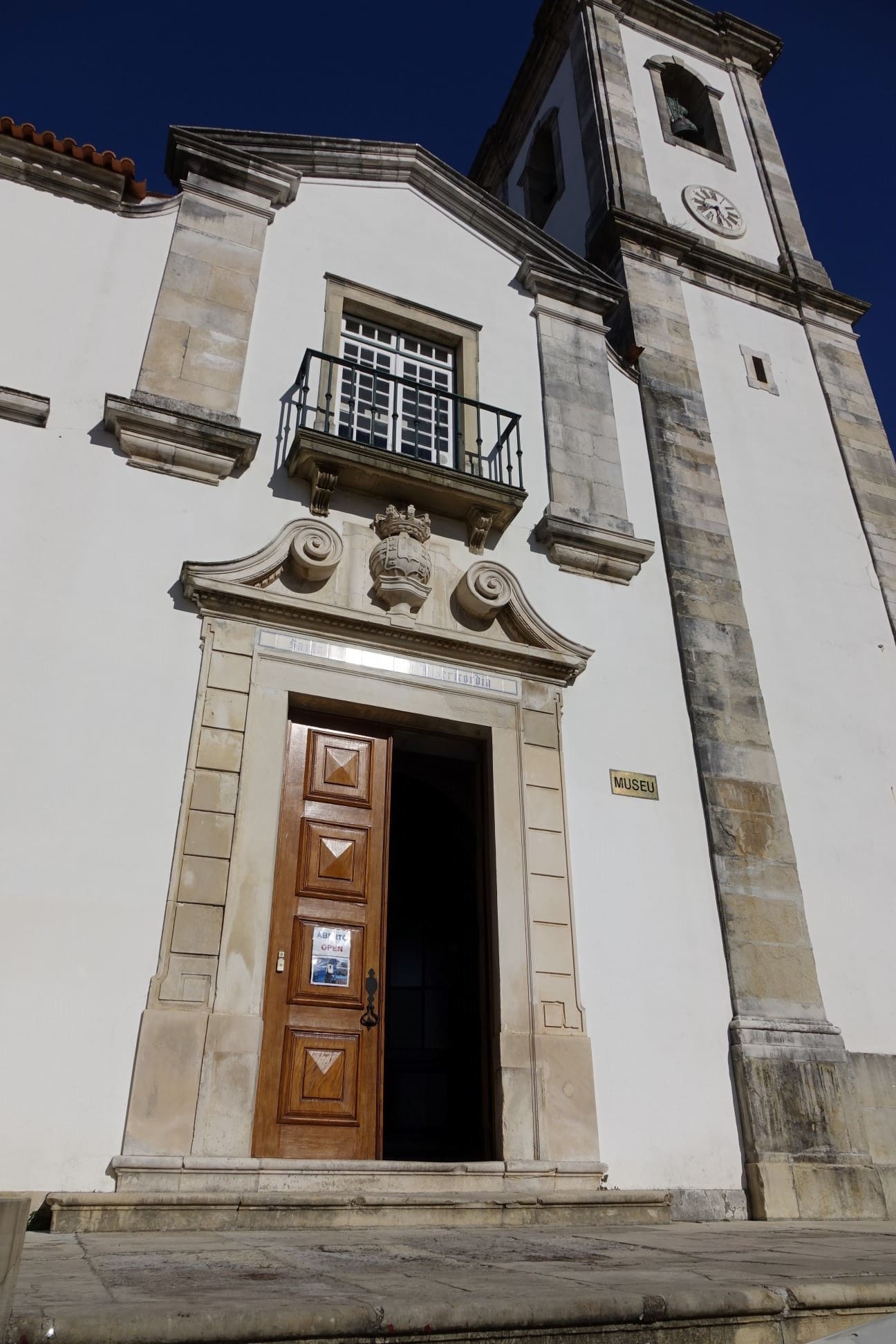
The College of St. Augustine, or of Wisdom, was commissioned by Cardinal Afonso de Castelo Branco to house the students of the Congregation of Holy Cross. Construction began in 1593 and three years later the cloister was completed. The church was consecrated in May 1630, the same year in which the roofs of the nave and chapels were completed. With its sober and austere lines, the temple's erudite language departs from the typical Coimbra architectural models and was probably designed by the royal architect Filipe Terzi.
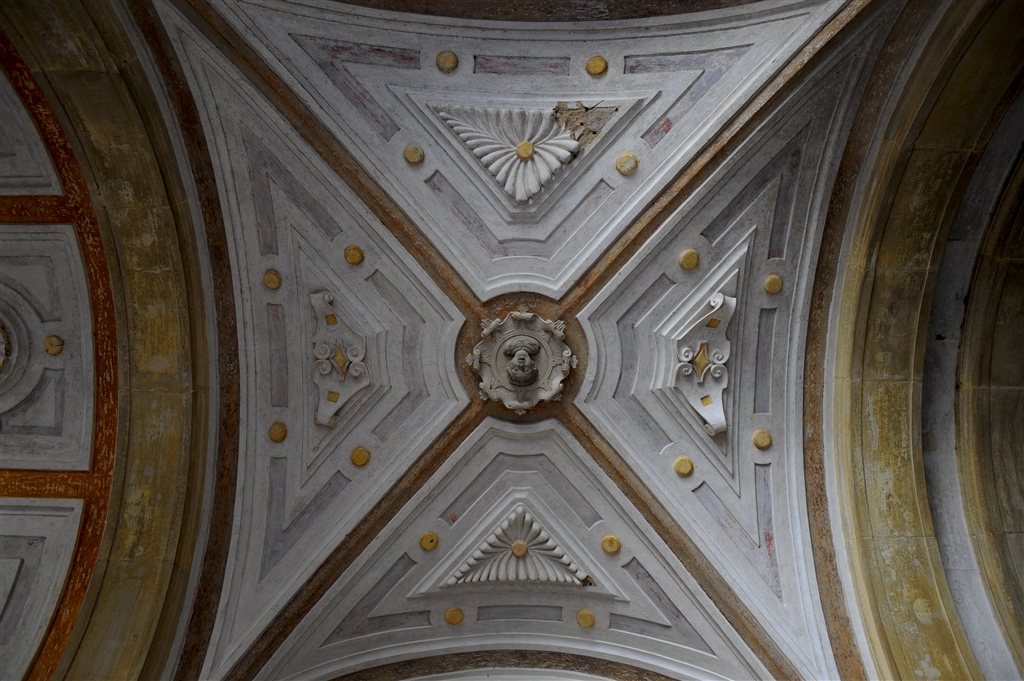
The main cloister of the college, with a rectangular floor plan, is divided into two floors and was designed by Filipe Terzi. It is a beautiful example of Mannerist architecture, with clear affinities with the main cloister of the Cristo Convent in Tomar.
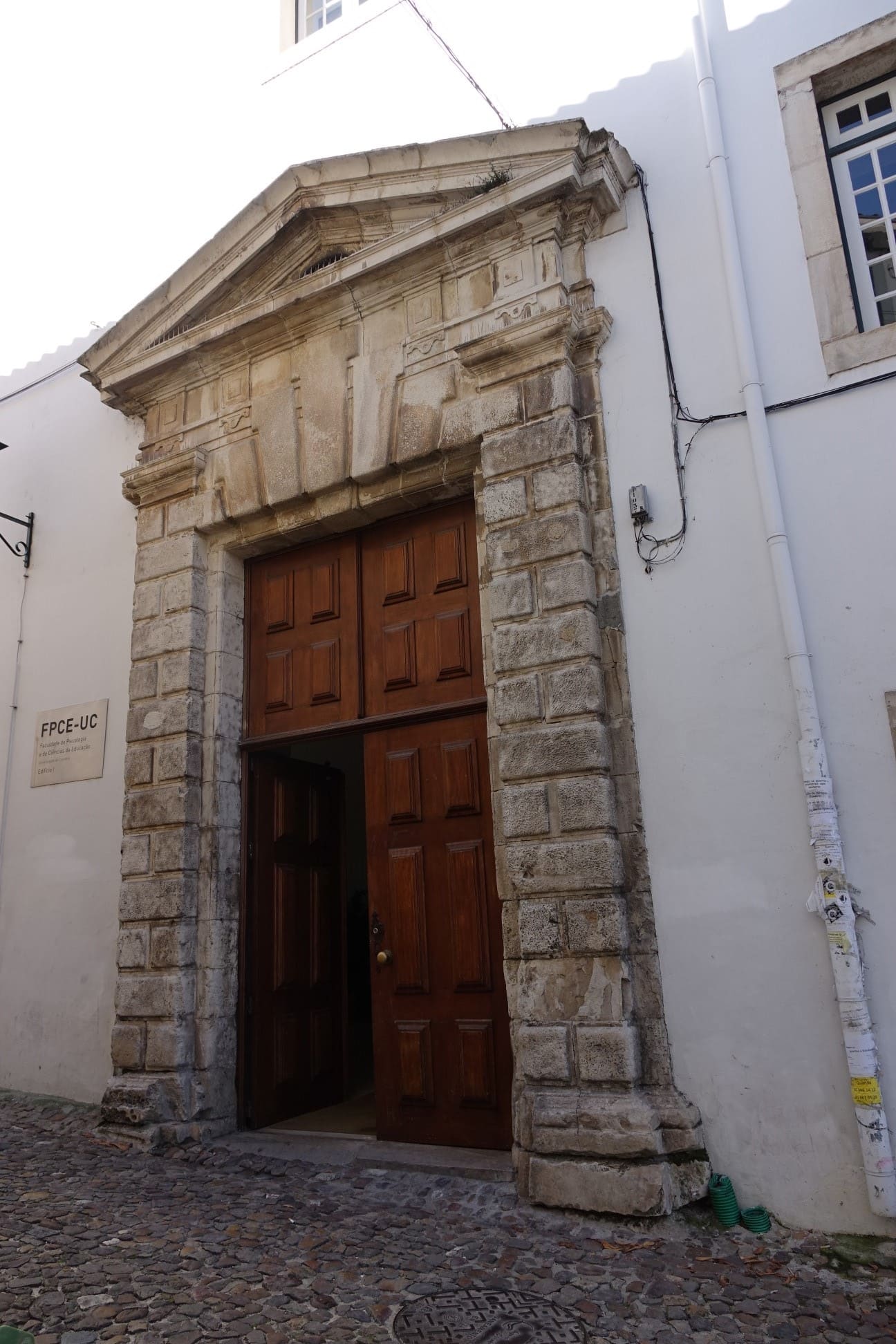
The college currently houses the Museum of Mercy, the institution's archives, and the
Faculty of Psychology and Educational Sciences of the University of Coimbra.
Read moreObservations
The building no longer serves its original functions and has undergone several adaptations over time.
Schedule
9:00 AM - 5:00 PM
Particularities
The name "Sapiencia" refers to divine and academic wisdom, reflecting the fusion of knowledge and faith.
Extra Information
Its presence in the Upper part of Coimbra enhances the heritage character of the area, which is part of the UNESCO World Heritage classification.
Aspetos Diferenciadores
This college was known for its humanist orientation and its pursuit of comprehensive spiritual and intellectual formation, at a time when knowledge was seen as a tool for moral elevation.
History
Founded during the reforms of the University in the 16th century, the College of Santo Agostinho served as a residence and study space for members of the Augustinian order.
Its name "da Sapiencia" emphasized the mission to form wise and virtuous men.
The history of the building intersects with the evolution of education in Coimbra and remains a silent witness to that transformative educational era.