



Faculty of Medicine
Presentation
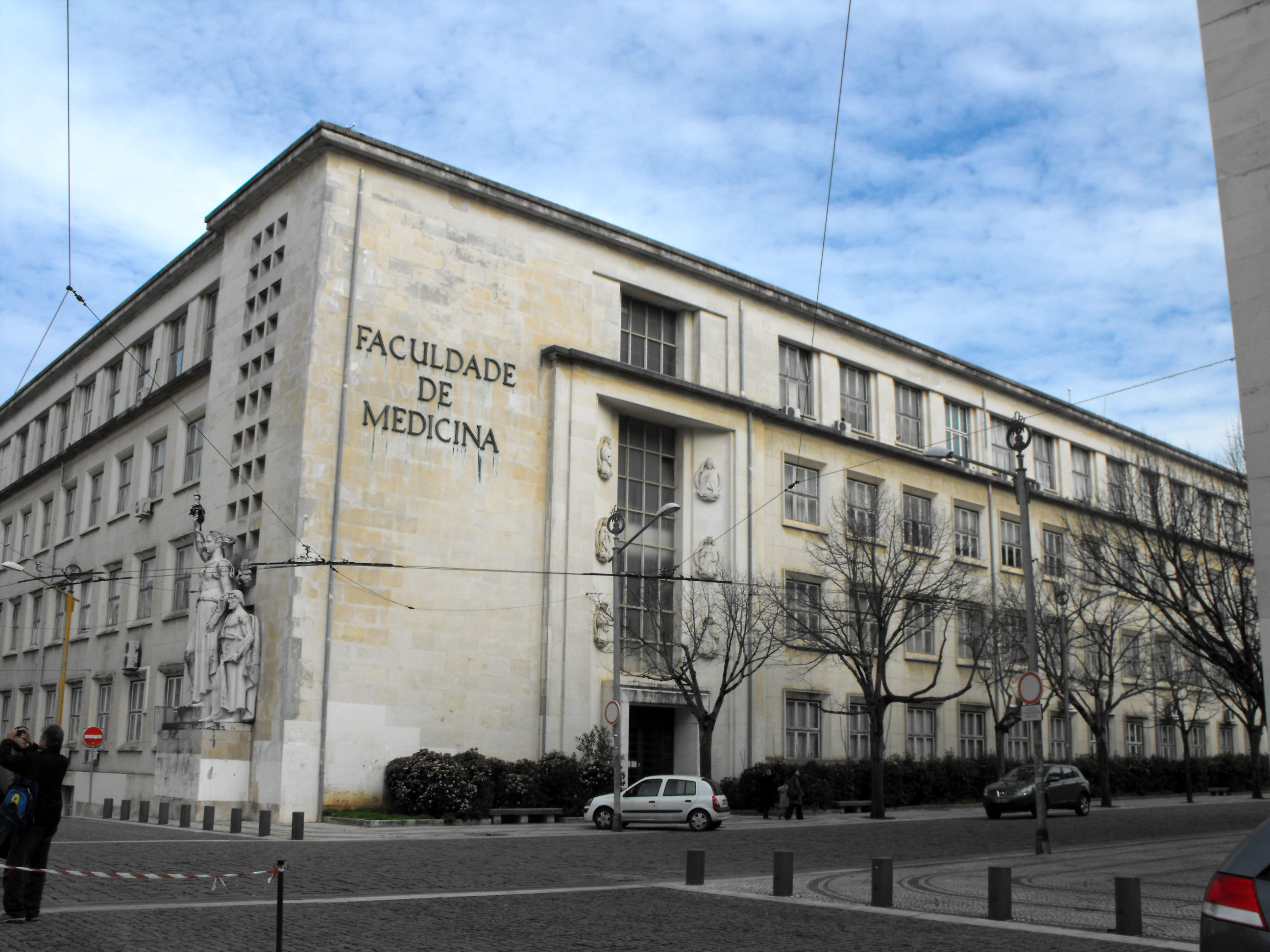
Following the aesthetic adopted by the Estado Novo, Lucínio da Cruz designed the Faculty of Medicine building, which opened in May 1956. The two main doors each feature six high reliefs by Euclides Vaz, representing the most distinguished Portuguese figures in the field of medical science. The gates are composed of a set of bas-reliefs by Vasco Pereira da Conceição, alluding to the history of medicine. Also noteworthy are the frescoes in the main atriums, alluding to the evolution of medicine, by Severo Portela Júnior, and in the opposite atrium, the same theme, but in a large relief by Vasco Pereira da Conceição.
Observations
Access to the building is primarily reserved for the academic community.
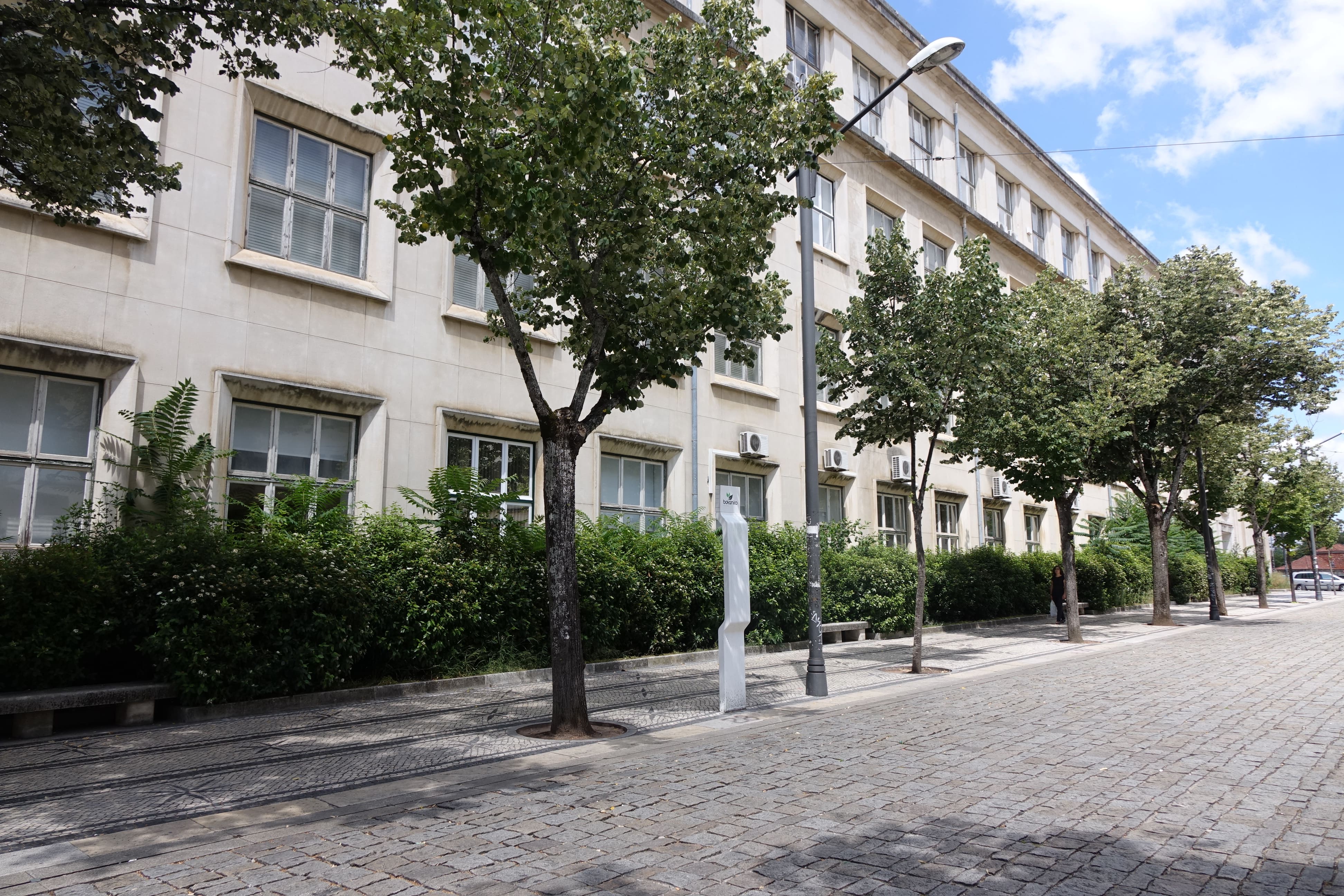
However, its surroundings and façade are part of the tourist routes of the University’s Historic Area.
Particularities
The building combines tradition and modernity, housing laboratories, historic auditoriums, and clinical structures associated with medical education, such as the University Hospital Center of Coimbra.
Extra Information
It frequently hosts congresses, seminars, and scientific events open to the medical and academic community, promoting research and scientific updates.
Aspetos Diferenciadores
The faculty combines the centuries-old tradition of medicine with innovative and humanistic teaching, also standing out for its role in biomedical research and the development of advanced clinical practices.
History
The Faculty of Medicine of Coimbra has roots dating back to the 13th century, alongside the founding of the University itself. For centuries, it was the only university center for medical training in Portugal, playing a key role in the evolution of medicine in the country. Throughout its history, it has undergone various curriculum reforms, modernizations, and international collaborations. Its current building, part of the monumental ensemble classified as a UNESCO World Heritage Site, reflects the prestige and importance of this medical school in the history of knowledge in Portugal.