



Main Church of Vagos
Presentation
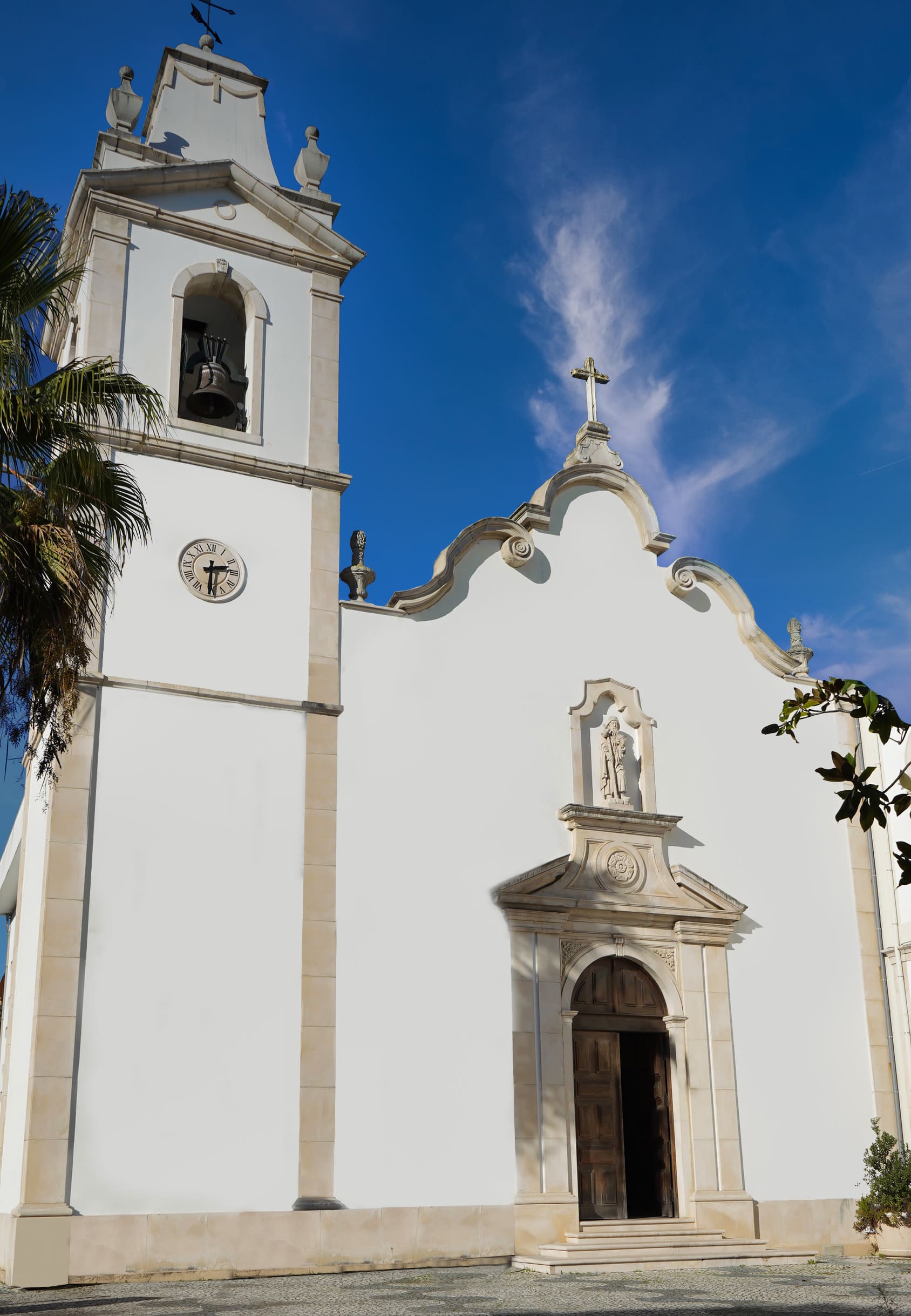
The major renovation of the current Parish Church of Vagos, dedicated to Saint James the Greater, took place in the second half of the 18th century. There are earlier traces dating back to 1452, such as the tombstone embedded in the wall inside the church, which clarifies its origin and patronage, with an inscription in Roman capitals. The widening of the EN109 road led to the demolition of the church building in 1972, which incorporated some elements of the old church.
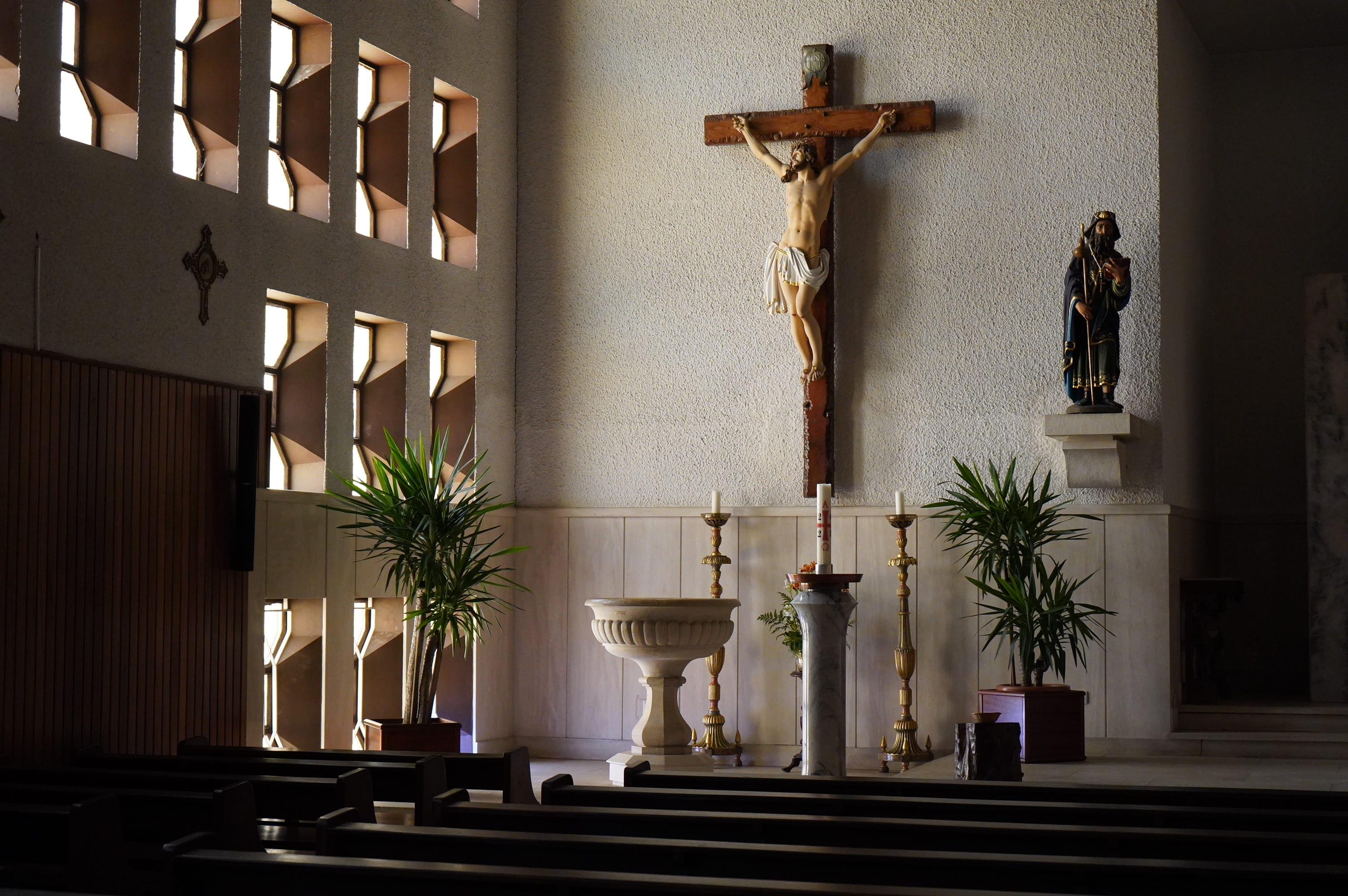
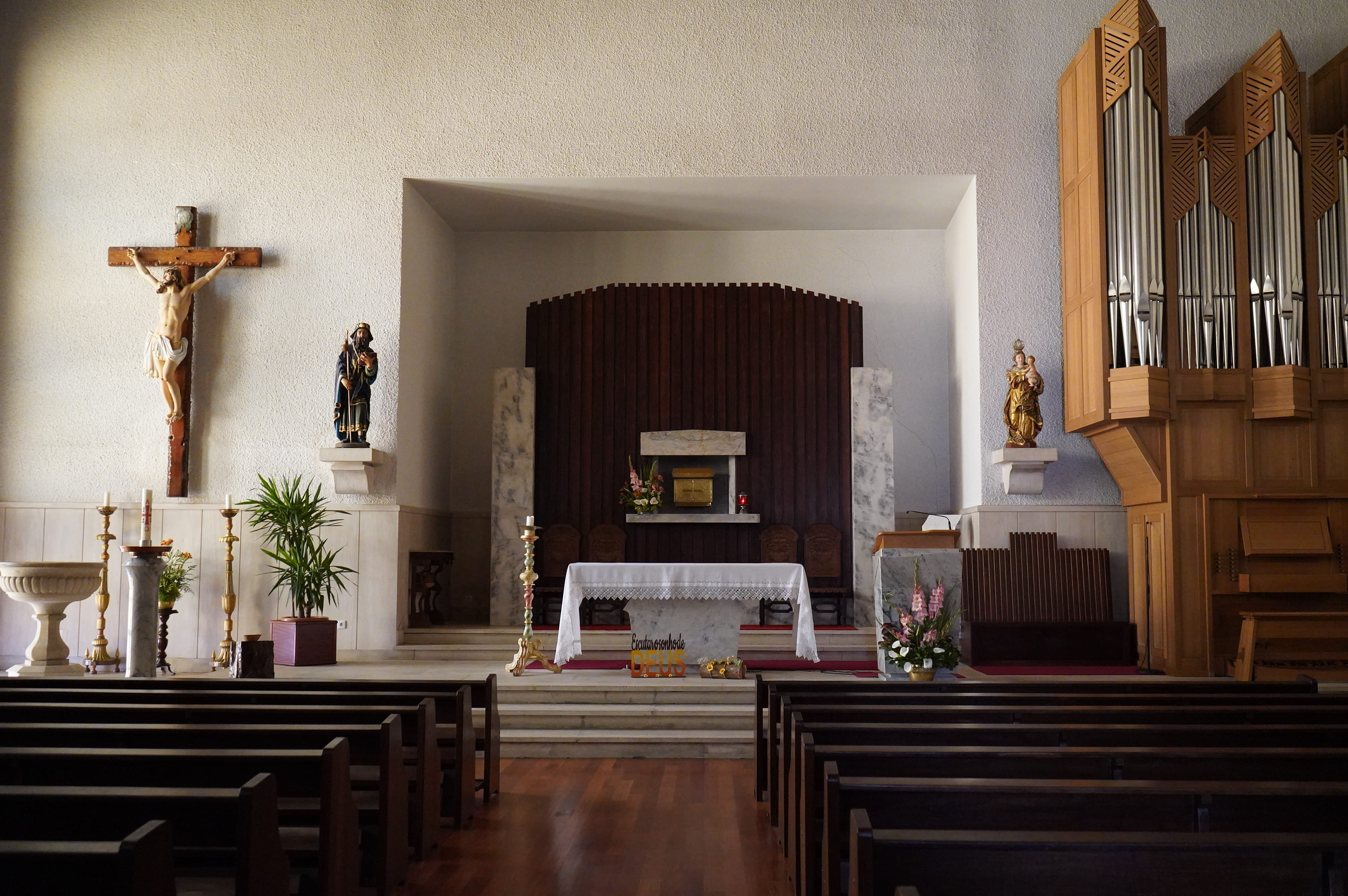
Inside, there are notable works of religious art that tell stories: Saint James (16th century), symbol of the pilgrimage to Compostela along the coast; Our Lady of the Rosary (18th century), next to the presbytery; the image of the Lord of Agony (19th century) and a magnificent German pipe organ, inaugurated in 2005. Among the movable heritage, the parish tabernacle (16th-17th centuries) and the image of Saint Mark (15th century) stand out.
More than a place of worship, this church is a landmark on the Way of St. James, as attested by the Inquiries of 1220, which refer to it as dedicated to the apostle St. James, under royal patronage, with links to the Hermitage of Santa Maria de Vagos and the Templar presence.
This connection indicates that Vagos was an important point for pilgrims on the Way of St. James along the coast, even though it was not a formalized route as it is today, but rather part of a system of medieval itineraries.
Read moreParticularities
This used to be the private chapel of the Cardoso family. There is a stone plaque where one can read: "King D. Afonso V gave this church to the monastery of S. Marcos, to whom he is united perpetually in spirit and temporality. In 1452".