





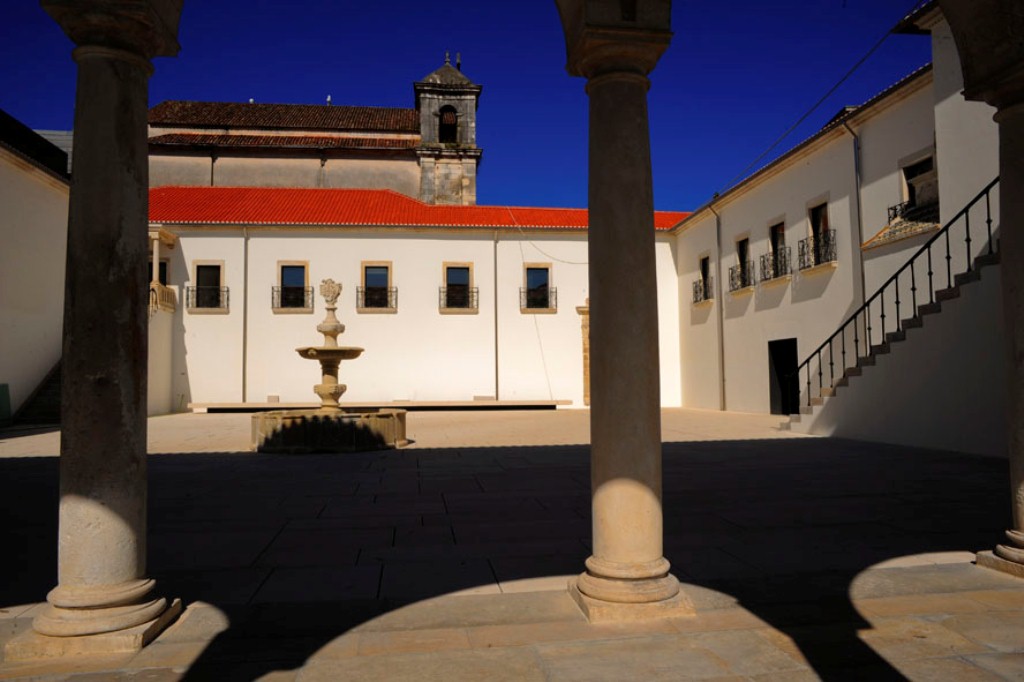
Machado de Castro National Museum
Presentation
Category: World Heritage
Founded in 1911, the Machado de Castro National Museum opened to the public in October 1913. Its first director was António Augusto Gonçalves, and it was elevated to the status of National Museum in 1965.
The museum occupies the former Episcopal Palace, built on the cryptoporticus of the forum of Æminium, which is the most significant Roman work dating from the 1st century in Portugal. It is a two-story gallery that supported the forum and was also used to store food, as it remained cool and protected from light. The experience of traveling through the underground passages is unforgettable.
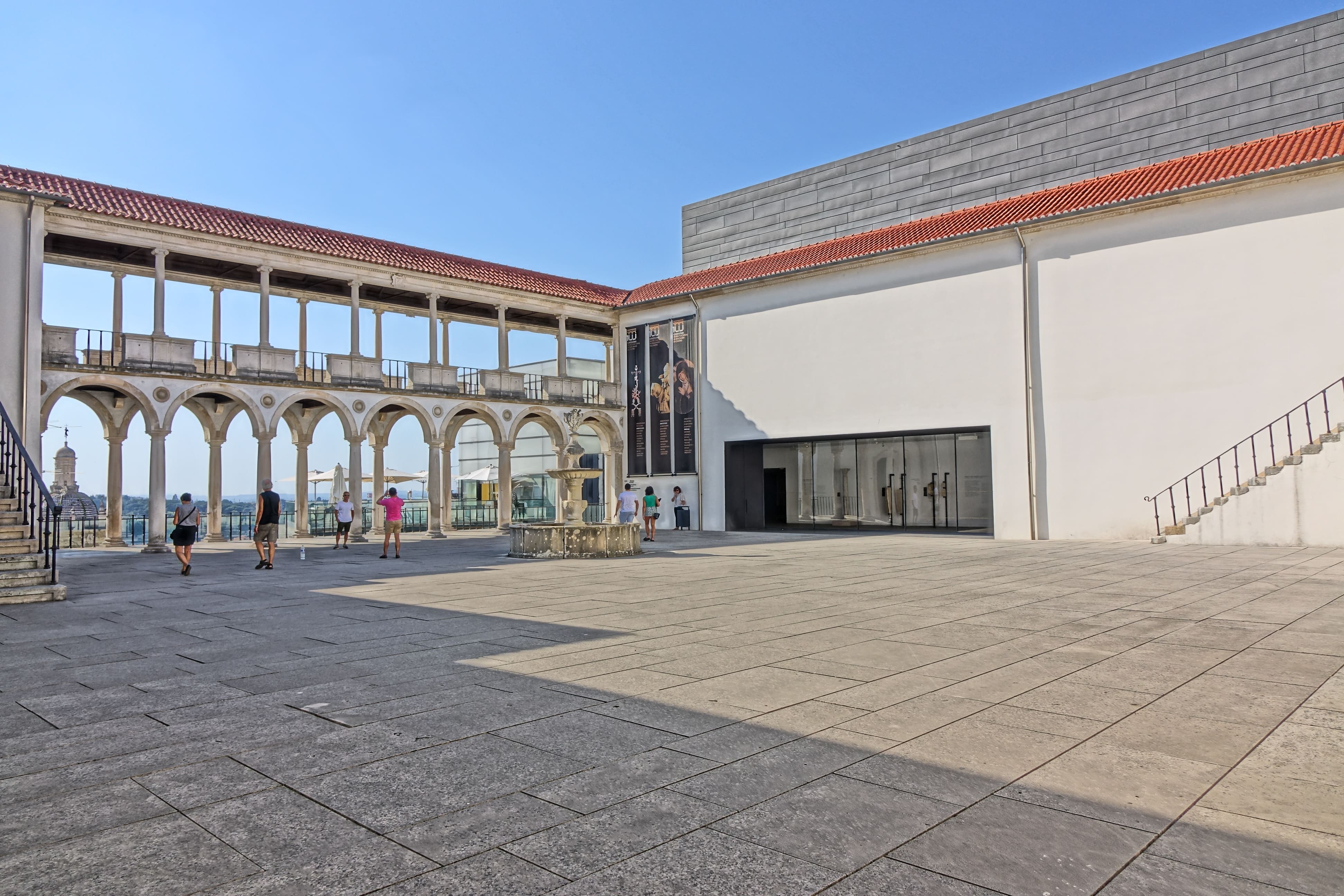
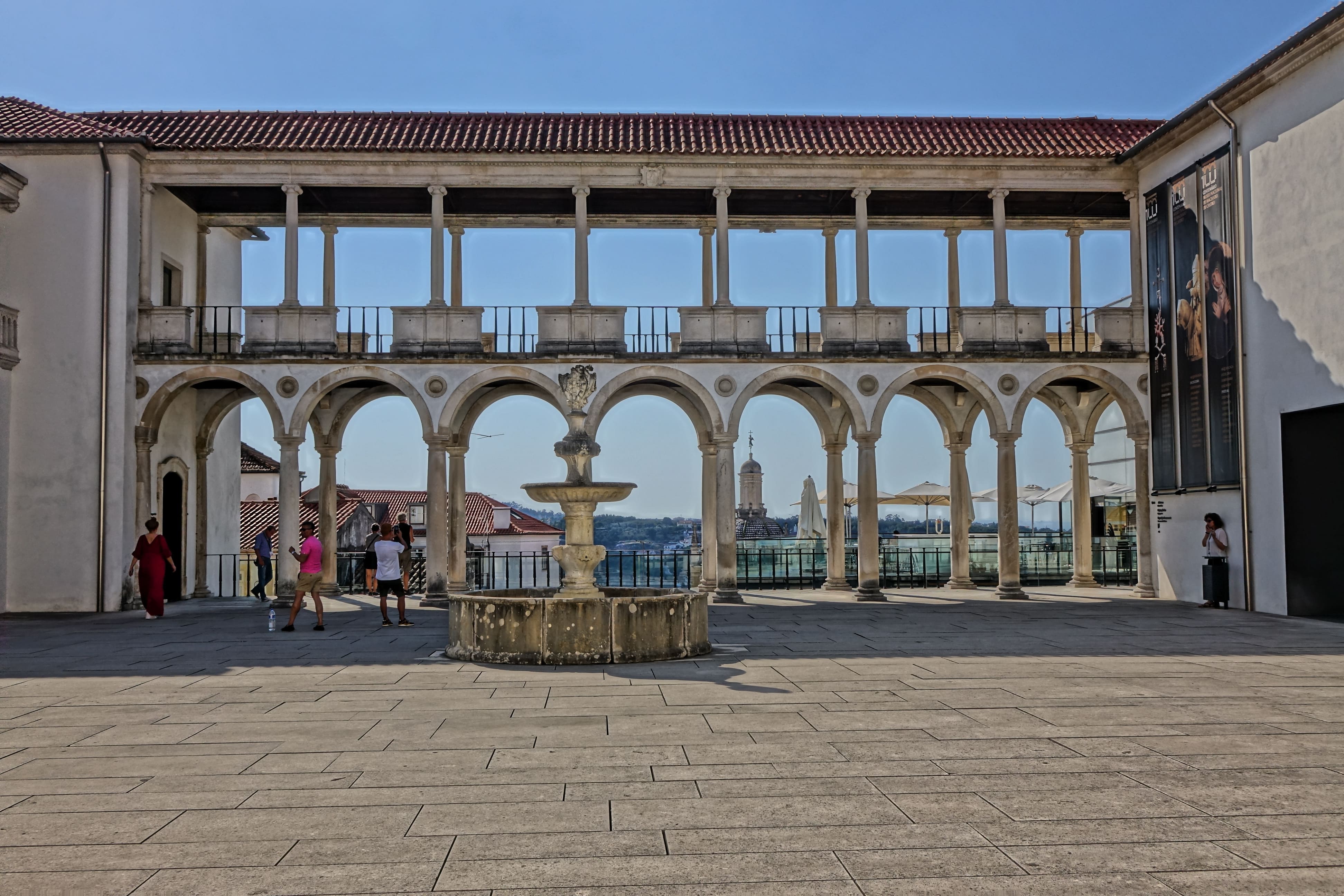
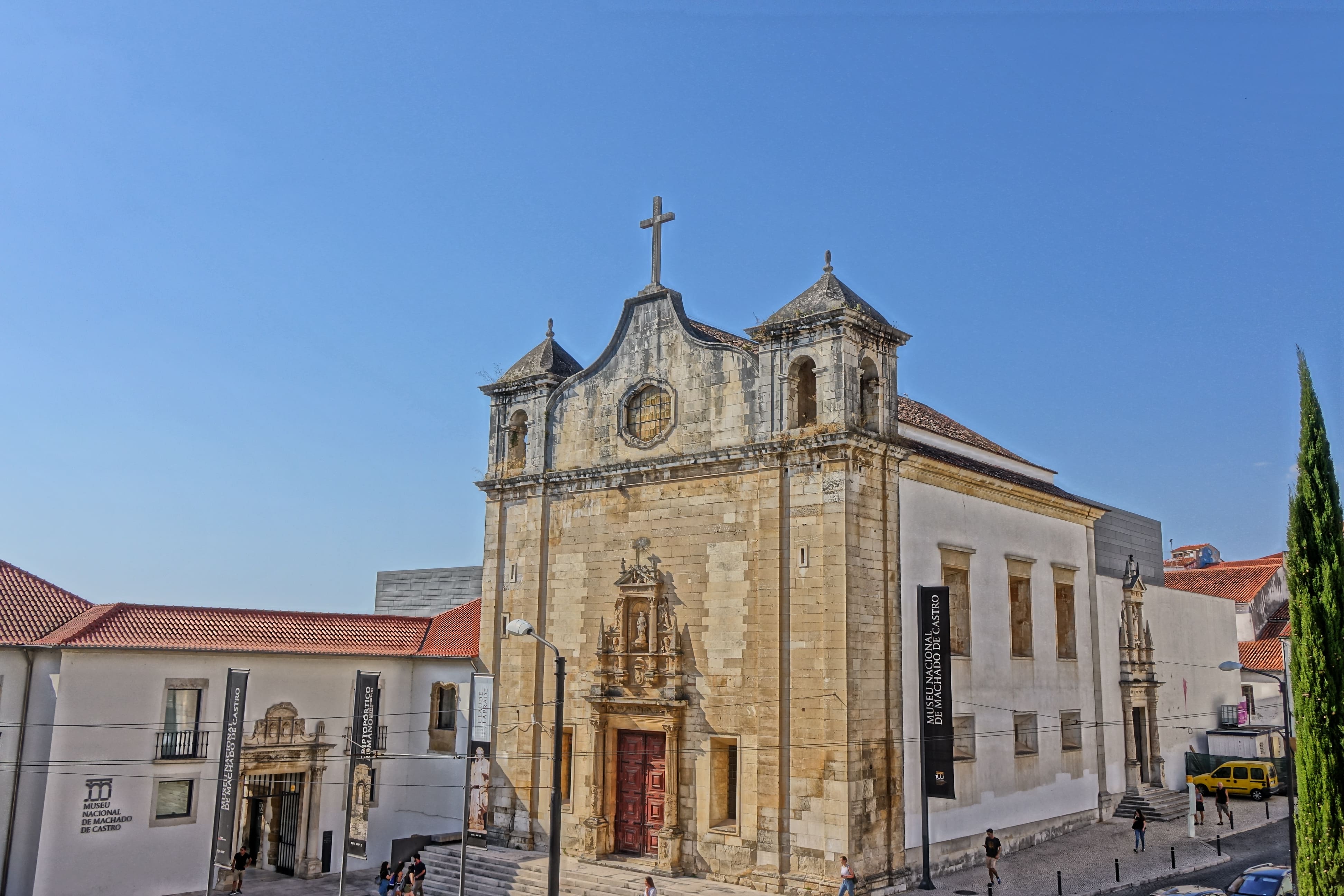
Between the 12th and 18th centuries, several buildings were erected and remodeled for episcopal residence. Of the numerous renovations, the remains of the Romanesque cloister from the Condal period (c. 1100-1140) belonging to the collegiate church of São João de Almedina, its classic and harmonious loggia from the late 16th century, and finally, the renovated Church of São João de Almedina from the late 17th and early 18th centuries. An interesting detail of the Episcopal Palace is a Mozarabic door, now integrated into the museum building, built after the definitive reconquest of the city from the Muslims.
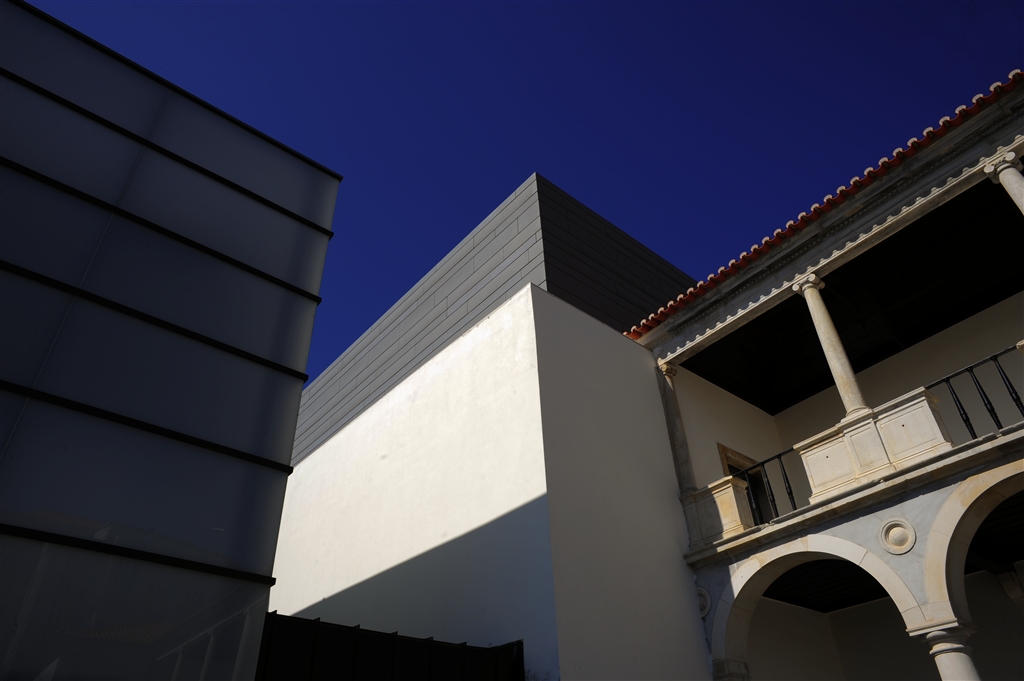
In this century, the museum underwent a bold project of renovation and expansion, designed by architect Gonçalo Byrne.
The museum is named after one of the greatest figures in Portuguese sculpture, Joaquim Machado de Castro (1731-1822), who was born on the outskirts of Coimbra and was a royal sculptor.
The Machado de Castro National Museum is one of the most important fine arts and archaeology museums in the country, with important collections of paintings, sculptures, and decorative arts spanning more than two thousand years of history.
The entire building that houses the museum was classified as a World Heritage Site on July 7, 2019, as part of the University of Coimbra, Alta and Sofia.
Read moreObservations
The Museum?s buildings were declared a National Monument in 1910. The former Bishop?s Palace was built on top of the cryptoporticus ? the foundation of the forum of the Roman city of Aeminium. It dates back to the first century AD and is the most important preserved Roman building in Portugal.
The various buildings that we see today were built between the 12th and the 18th centuries as a residence for the bishops of Coimbra. From the various remodelling and renovations over the centuries mention must be made of the remains of part of the Romanesque cloister of the Condal period (c. 1100-1140), the graceful classical loggia from the late 16th century, and the baroque church of São João de Almedina, built in the end of the 17th and in the beginning of the 18th century.
The name of the Museum pays homage to one of the greatest Portuguese sculptors, Joaquim Machado de Castro (1731-1822), who was born near Coimbra and was sculptor to the royal house in the reigns of José I, Maria I and João VI.
Particularities
The Museum?s artistic patrimony is formed of various collections that evince the wealth of the Church and the importance of royal patronage, seen in important works of art and in religious vestments and objects. Its collections were further enriched with a variety of acquisitions from private donations.
Of particular interest here are the monochrome and polychromatice statues in stone and wood, including several fine pieces from the workshops of well-known Flemish masters, as well as the development of Portuguese schools throughout the Middle Ages up to the 18th century. However, collections of jewellery, painting, ceramics and textiles are also important and representative as they include both imported items and national production.
The architectural and museological spaces of the museum were recently refurbished and expanded, in a project signed by the architect Gonçalo Byrne.
Machado de Castro National Museum
Largo Dr. José Rodrigues
3000-236
Coimbra