





University of Coimbra
Presentation
Category: World Heritage
Paço das Escolas - An iconic place in Coimbra, consisting of several structures of great beauty. Classified as a World Heritage Site since 2013.
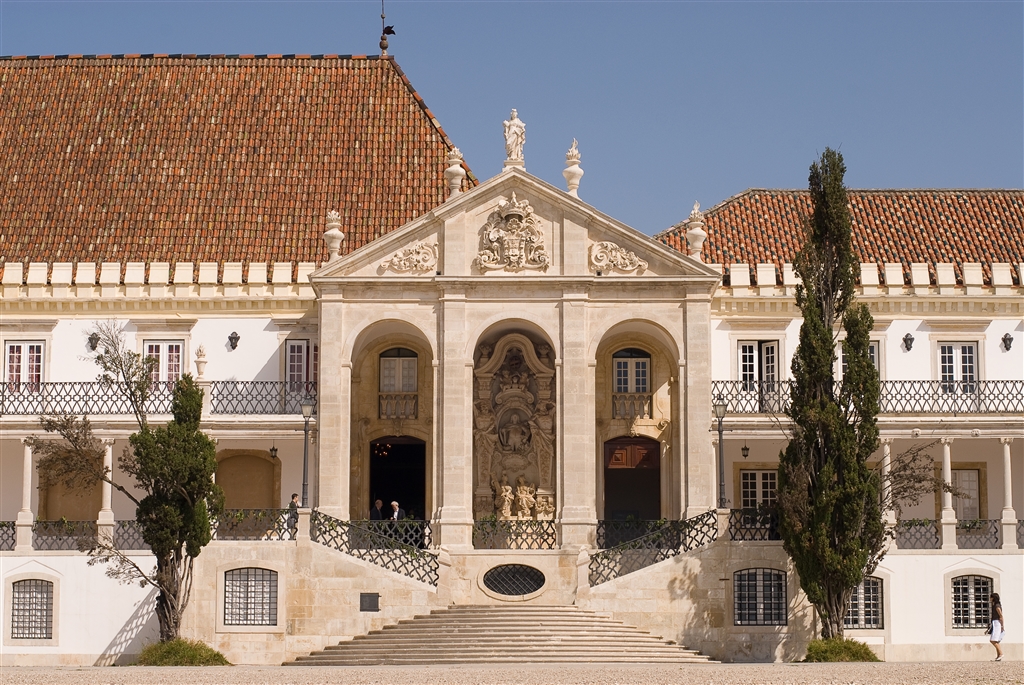
Porta Férrea - Entrance to the old Royal Palace to which, in 1634, two portals were added with allegorical sculptures of the old Faculties (Medicine, Law, Theology, and Canon Law), the founding king and the king who permanently established the General Studies in Coimbra (D. Dinis and D. João III) and Sapiência, the institution's insignia.
Monument to D. João III - Monumental statue, inaugurated in 1948, representing the monarch. It conveys solemnity and a certain formal rigidity, in keeping with the historicist and modernizing character of the official ideology of the Estado Novo followed by Francisco Franco, its author, considered one of the protagonists of the regime's official statuary.
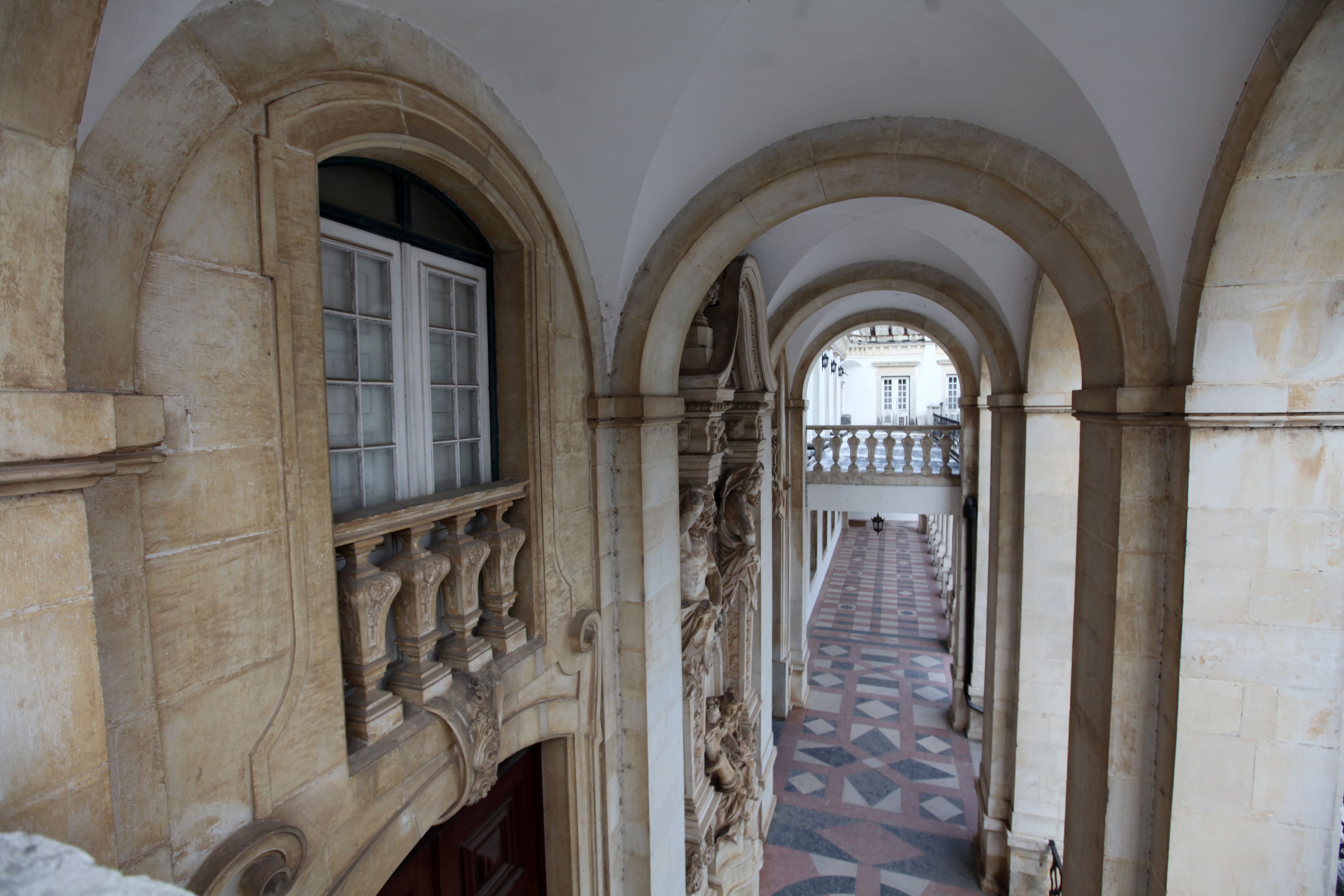
Via Latina - Large colonnade, from the late 18th century, whose name recalls the ancient rule that prohibited any language other than Latin when passing through it.
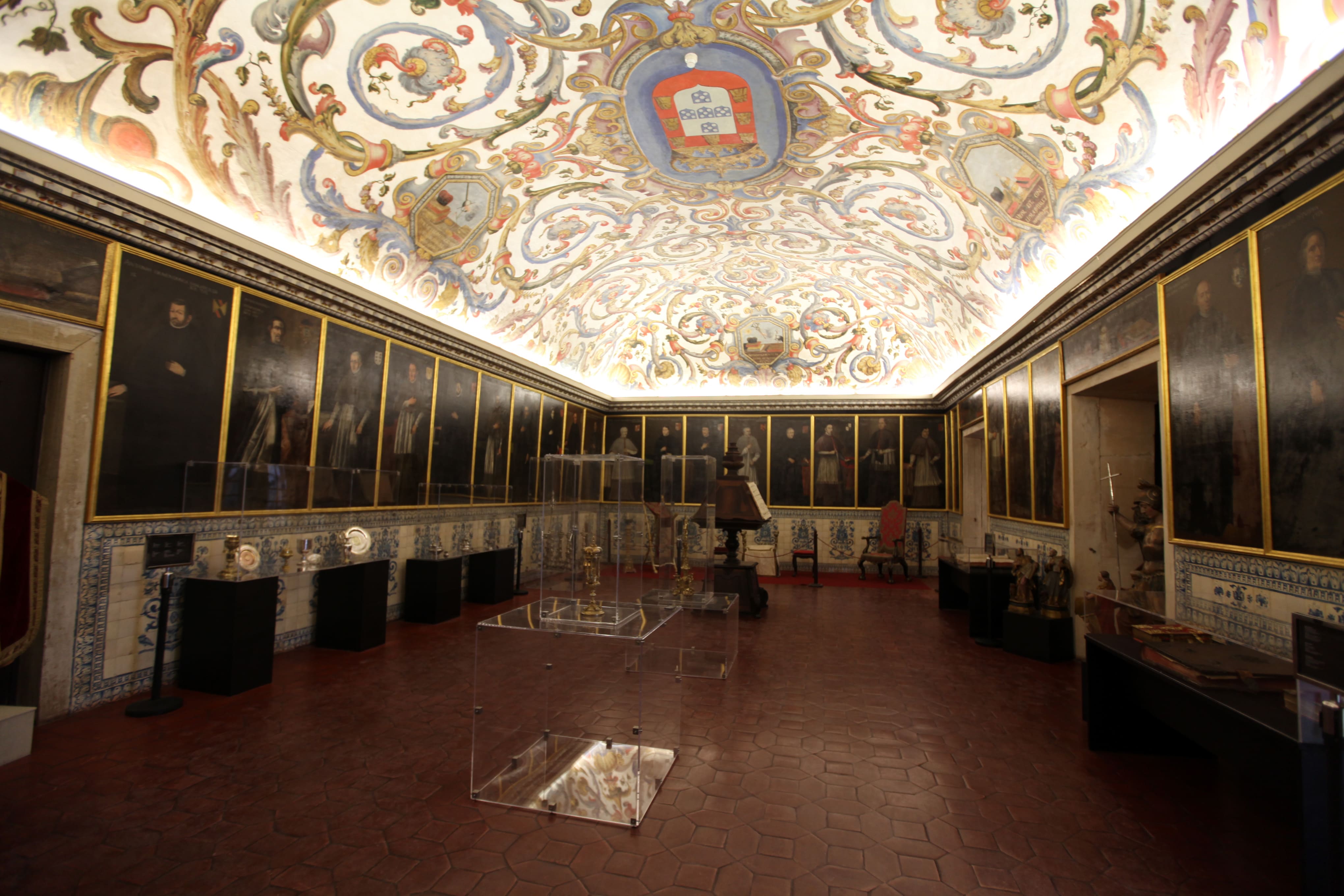
Sala dos Capelos - Former throne room of the Royal Palace, which in the 17th century was adapted to host the most important events in academic life: the solemn opening of the academic year, doctoral examinations, the awarding of insignia, the investiture of rectors, among others.
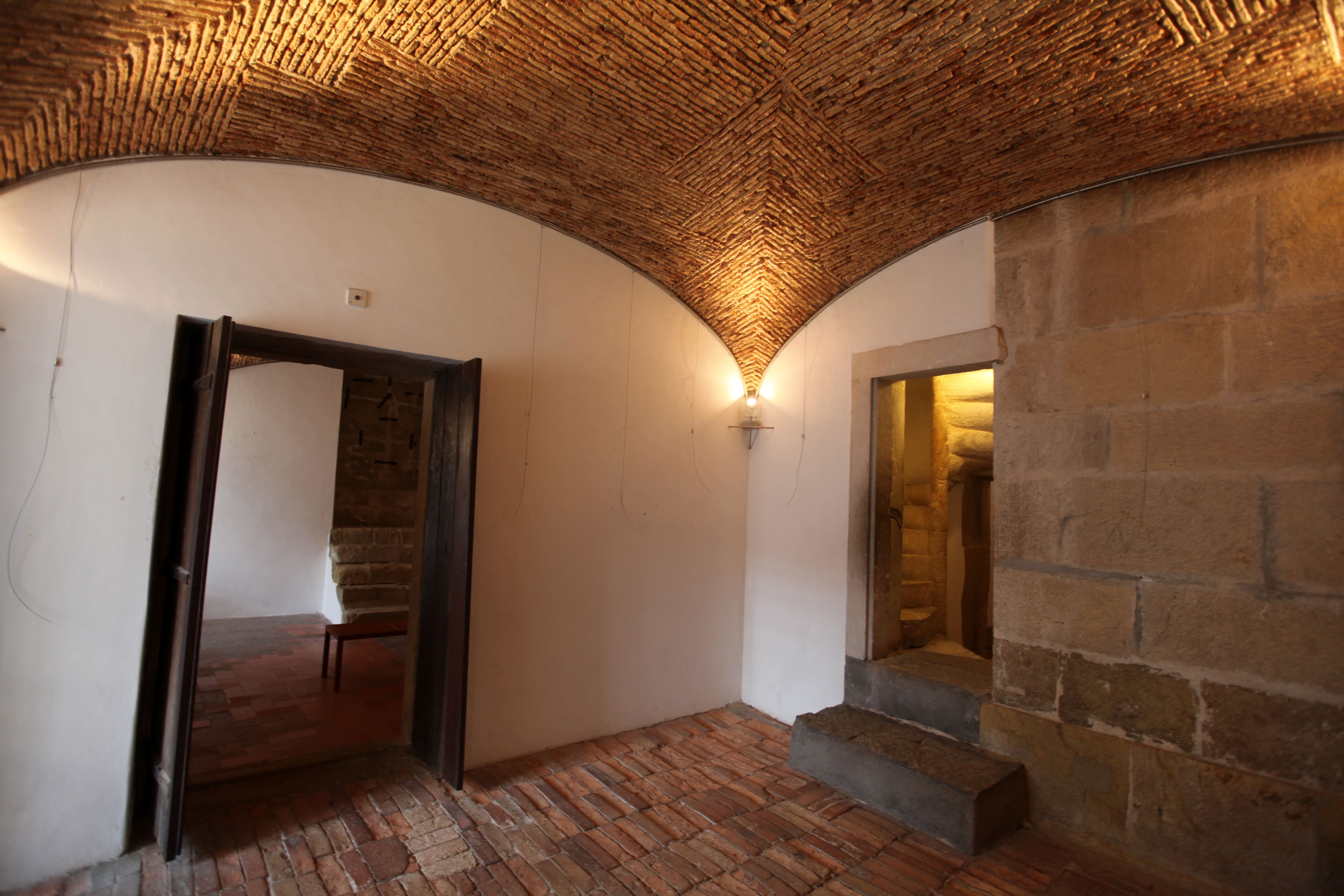
Sala dos Archeiros (Archers' Room) - A room adapted during the Pombaline Reform to store the weapons of the Royal Academic Guard.
Sala do Exame Privado (Private Examination Room) - Former Royal Chamber remodeled in the early 18th century. Its name recalls the time when some oral exams were held behind closed doors.
General Rooms - Occupying part of the former queen's wing, the two-story classical-style courtyard, around which the general study classrooms were arranged, is the result of remodeling work, with the upper floor having been executed by master builders Manuel Alves Macamboa and José de Carvalho.
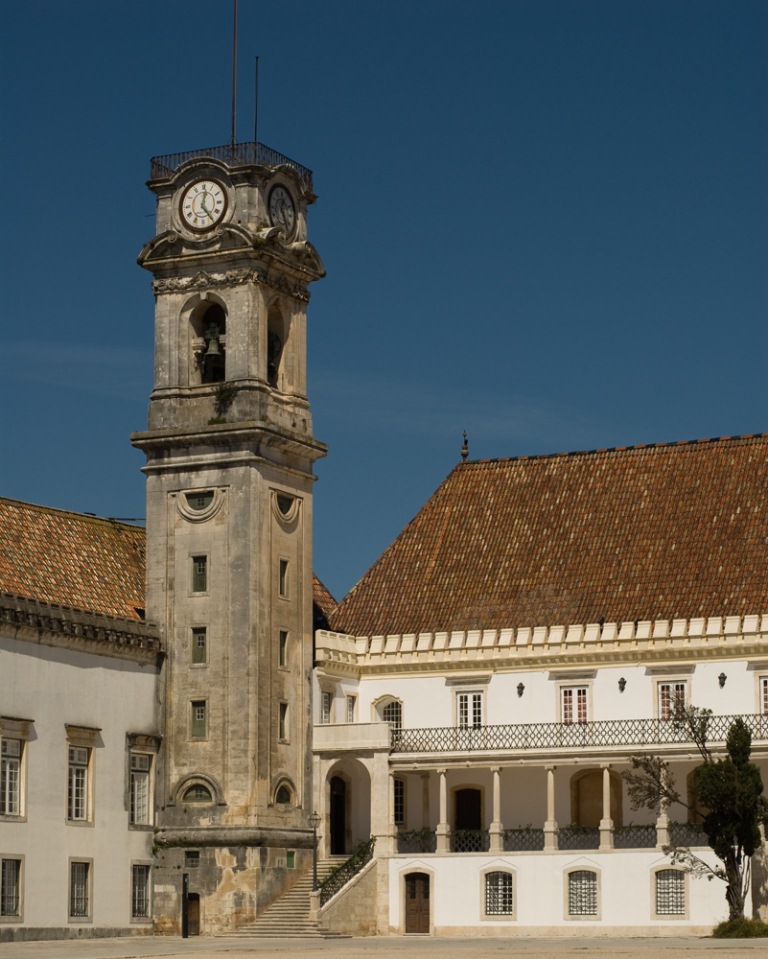
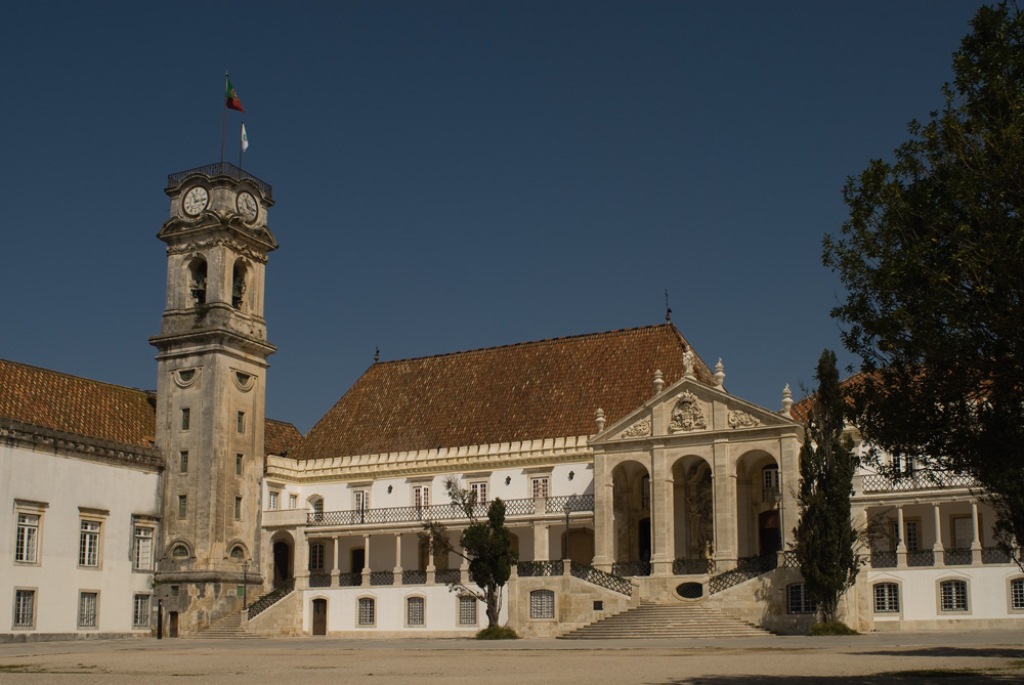
Tower - The symbol of the University and the city itself, it was built during the 18th century, replacing the previous one, designed by João de Ruão (16th century). The Italian architect who designed the work, António Cannevari, introduced very Italianate Baroque features. The construction was carried out by the Portuguese Gaspar Ferreira. At the top, there is a small balcony and just below it four clocks (one on each side), followed by four bells that govern academic life: the “cabra” from 1741, the “cabrão” from 1824, the ‘bolão’ from 1561, and the “quartos.”
Minerva Stairs - As a result of the renovations carried out on the building, around 1724, Gaspar Ferreira was given the task of recreating the stairs connecting the university to the public street.
Chapel of São Miguel - Former oratory of the Royal Palace, dating from the 12th century, it underwent major expansion works during the Manueline period, where Marcos Pires and Diogo de Castilho worked. The portal is an allegory of the political ideology of King Manuel I - he is king by divine right!
Casa da Livraria|Joanina Library - A unique and internationally recognized work, it is commonly known as the Joanina Library, as it was built during the reign of King João V, whose large portrait, by Dominico Duprá, hangs at the top of the library's interior.
Academic Prison - Established in 1593 in the north wing of the building, a former royal prison built by King João I, it was transferred in 1773 to the infrastructure of the Casa da Livraria.
College of São Pedro - Founded in 1574 by King Sebastian, with the aim of receiving graduates in preparation for university teaching. It occupied the former wing of the ladies and officers and, after the extinction of the religious orders, was handed over to the University to house the Royal Family and for the use of the Rectors.
Observations
During the reigns of João V and José I the university was extensively restructured, not only in its teaching but also through the construction of new buildings in baroque and neoclassical style.
Places to visit:
? Biblioteca Joanina (Joanina Library); Medieval & Academic Prison;Weapons Room (Sala das Armas)*;Grand Hall - Sala dos Capelos*;Private Examination Room*;St Michael?s Chapel
*Visit depends on whether the rooms are being used