



College of Saint Peter of the Religious
Presentation
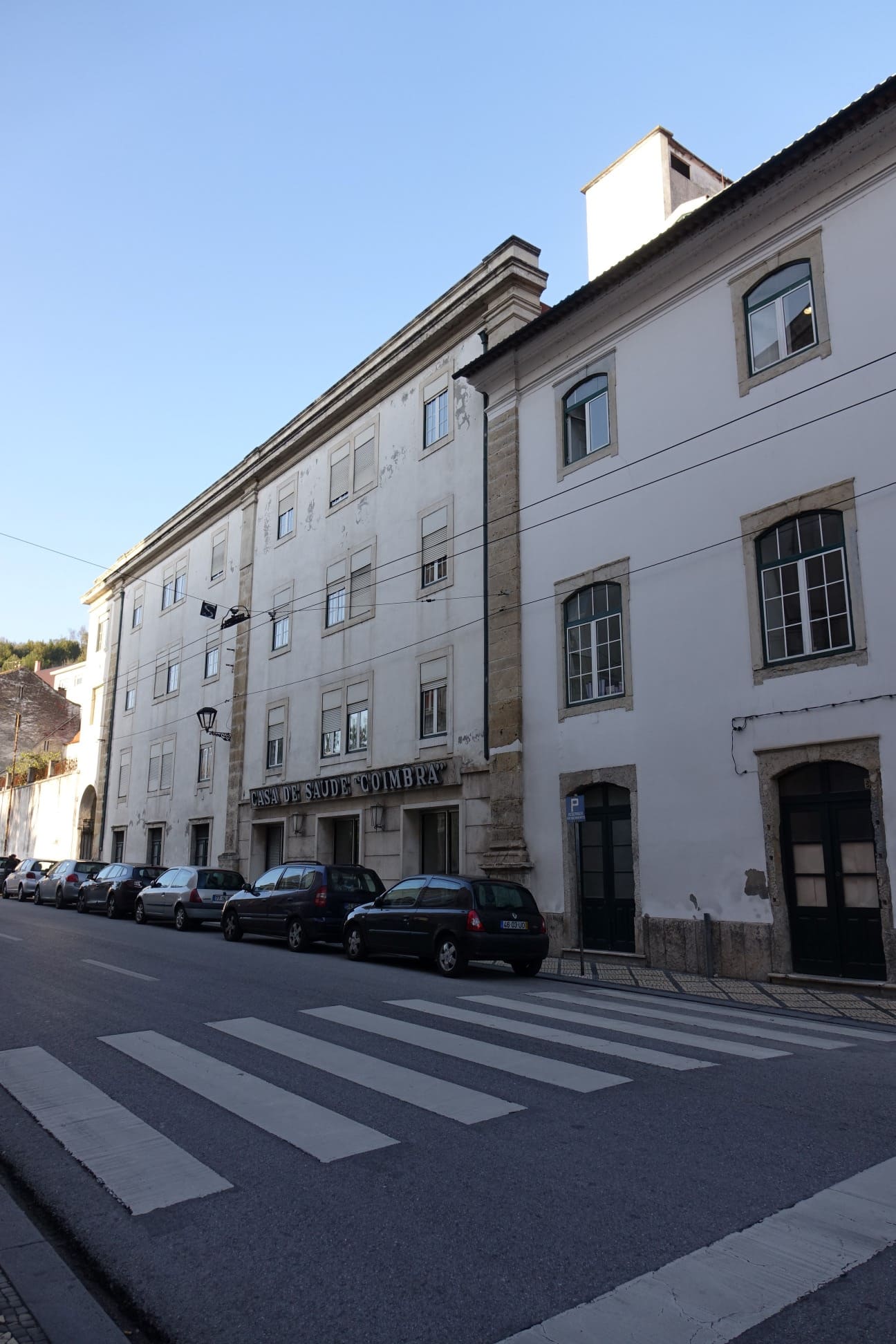
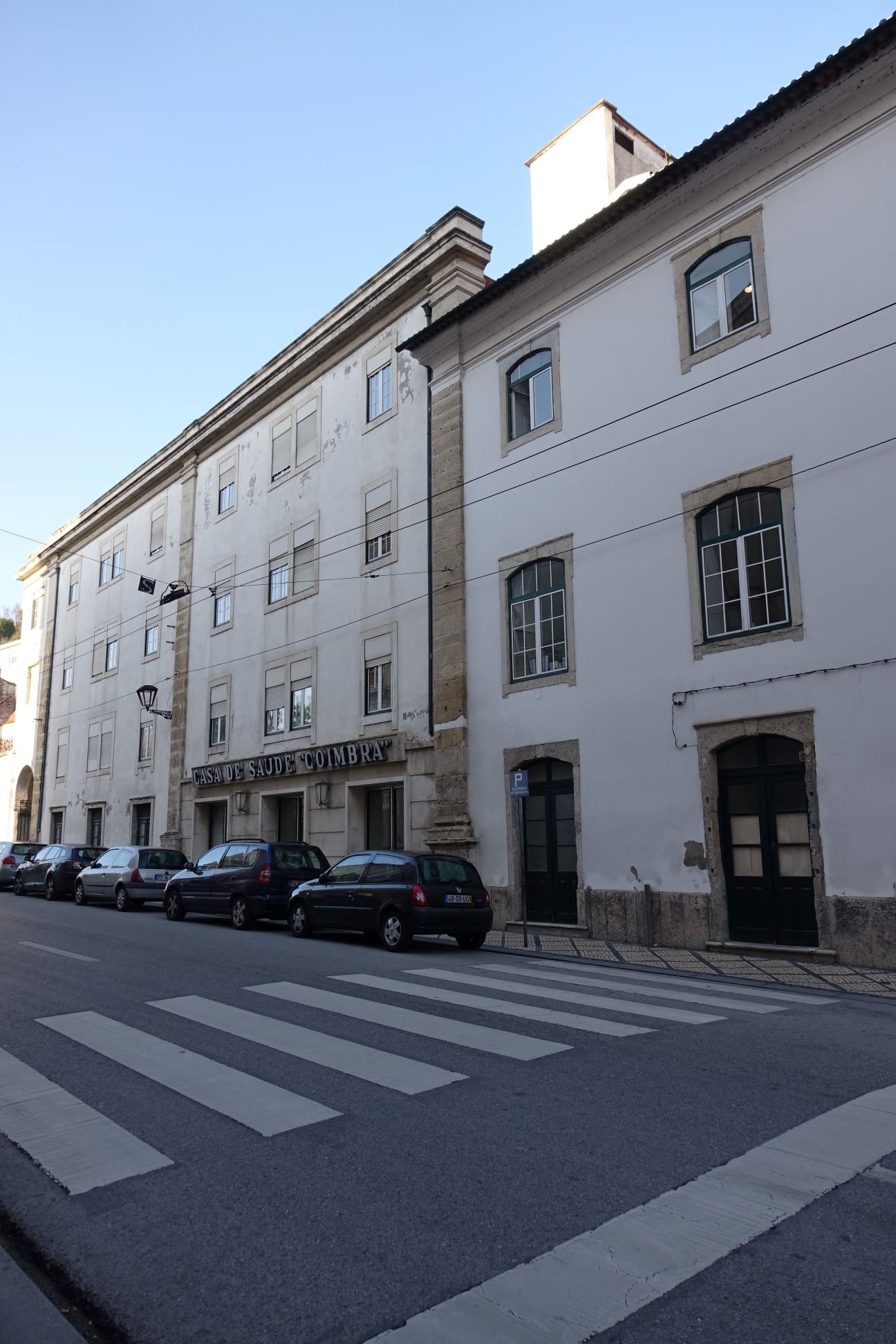
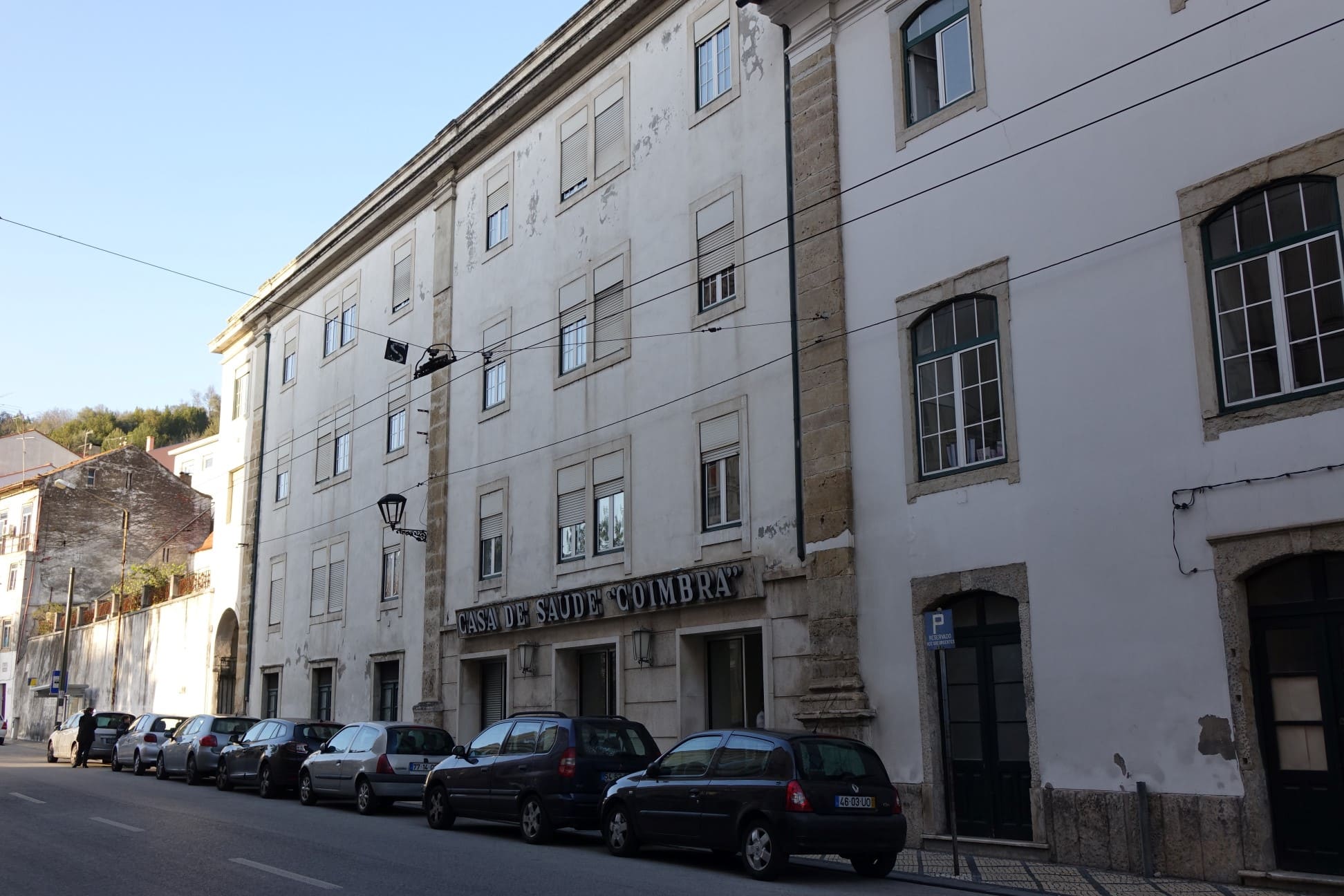
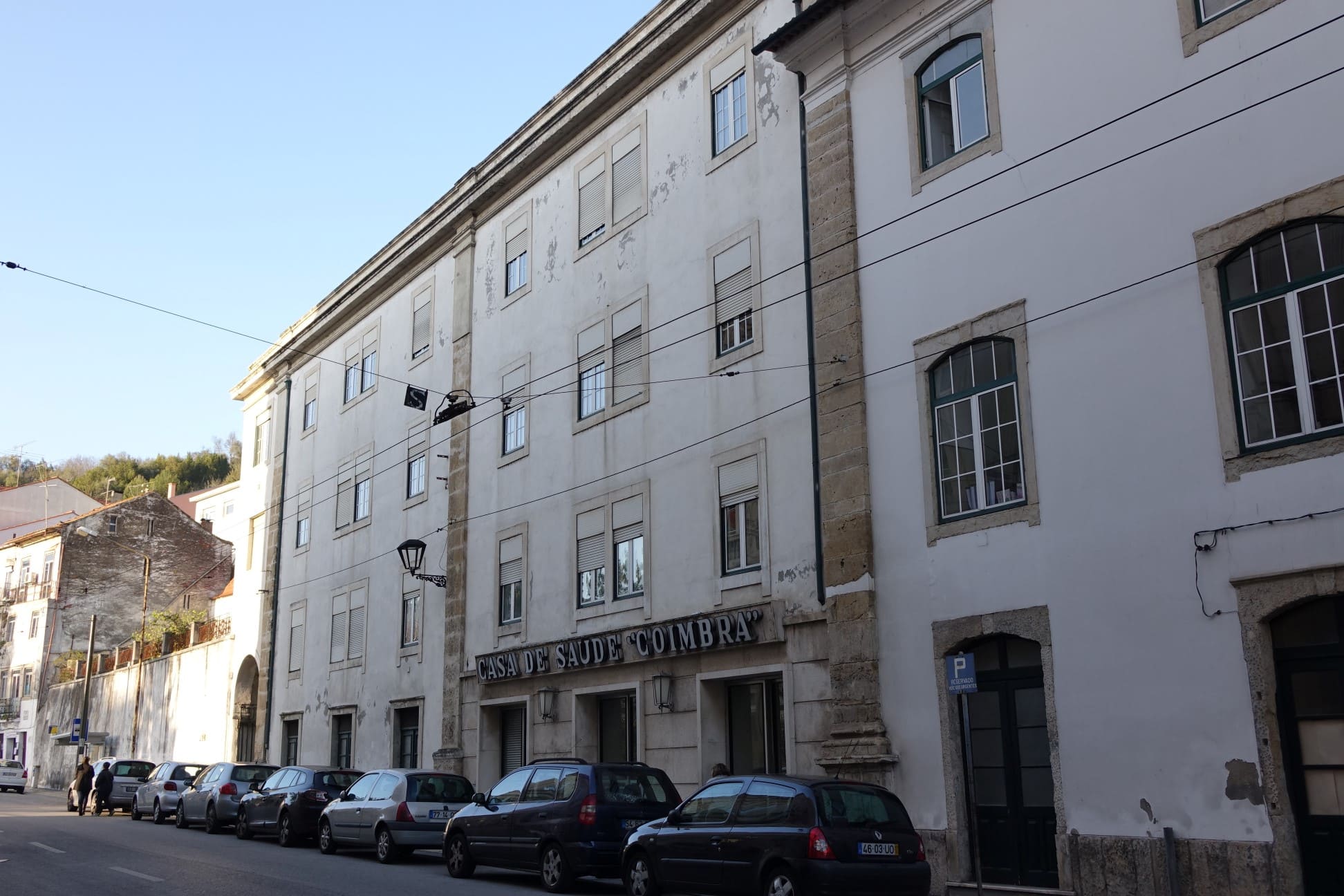
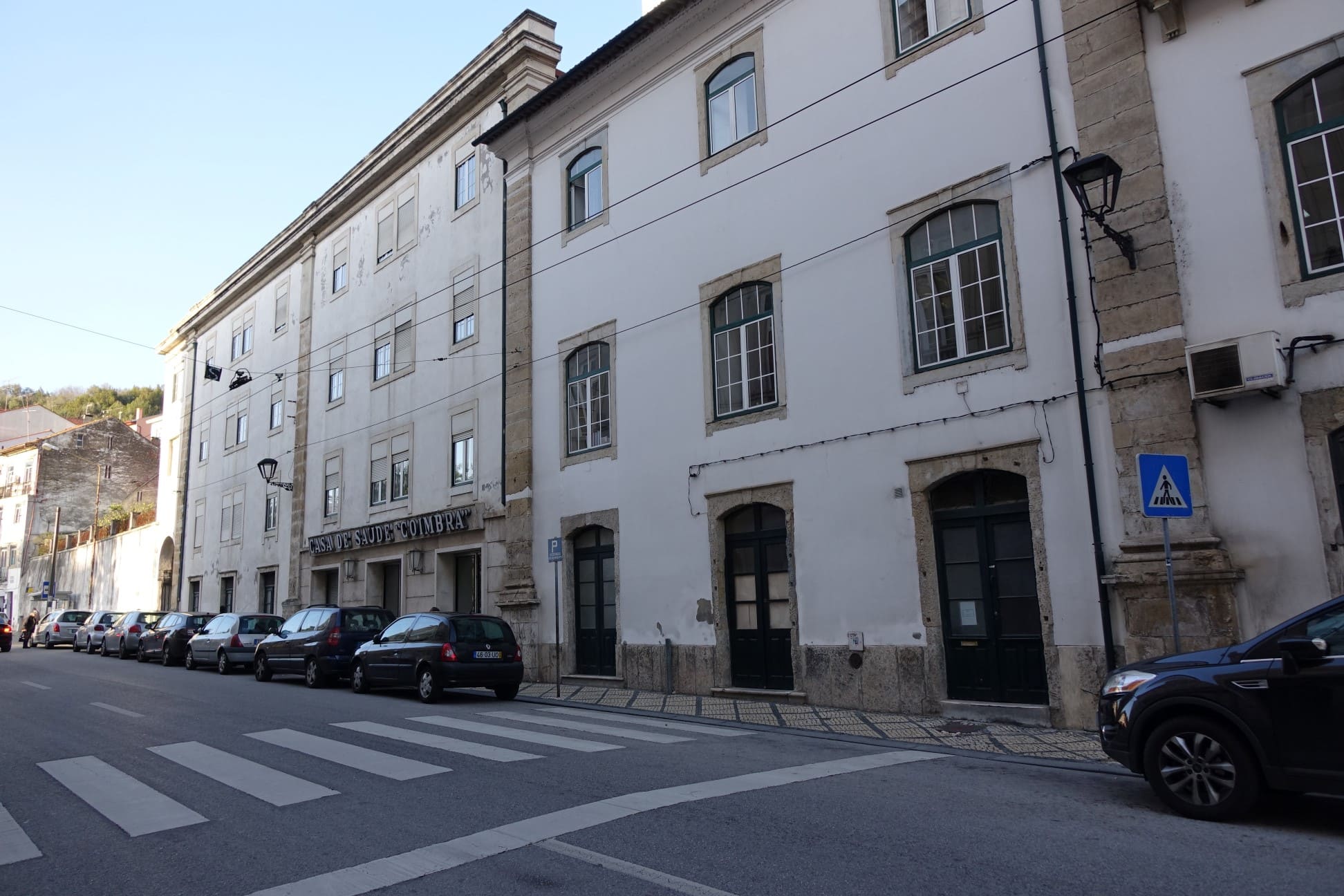
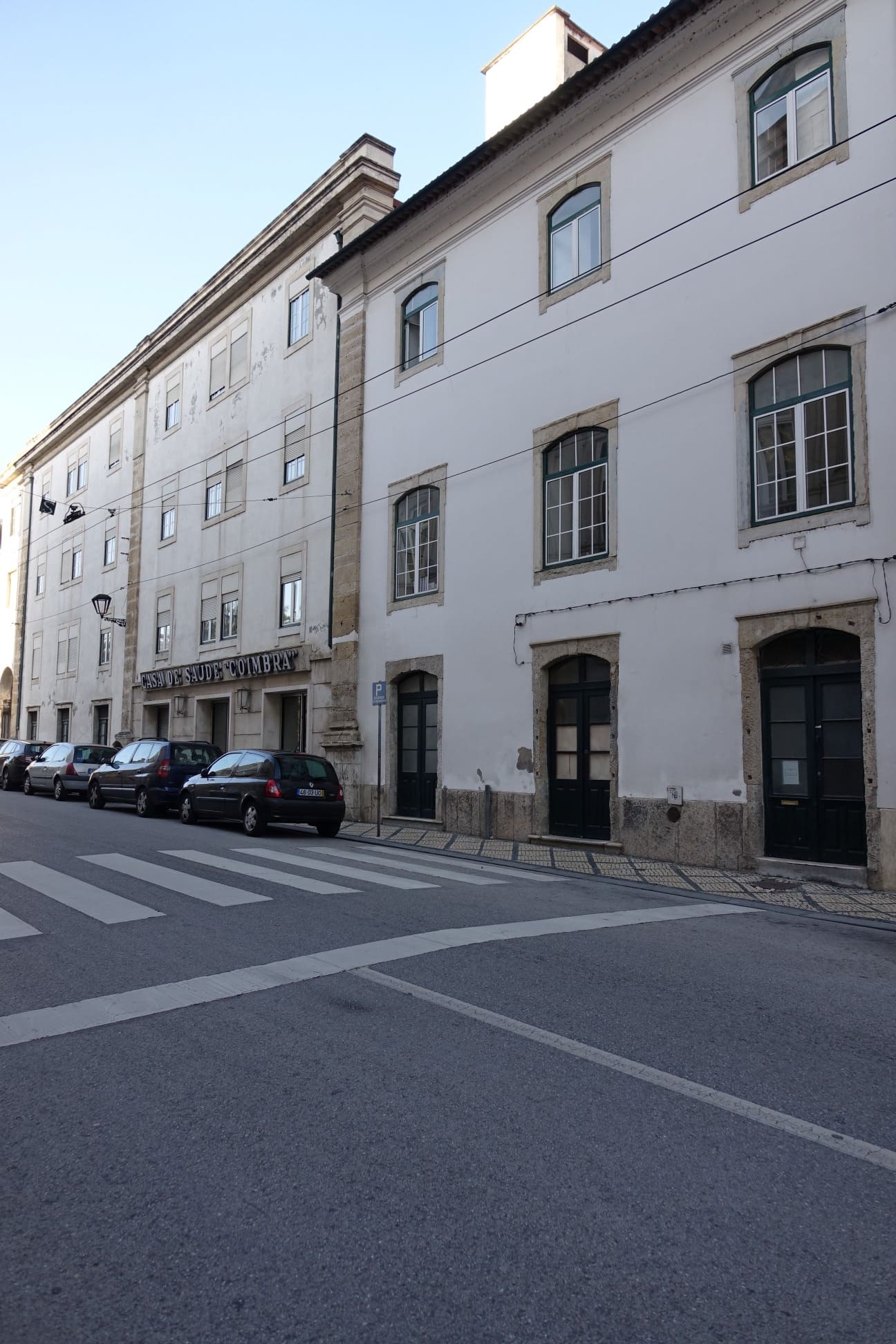
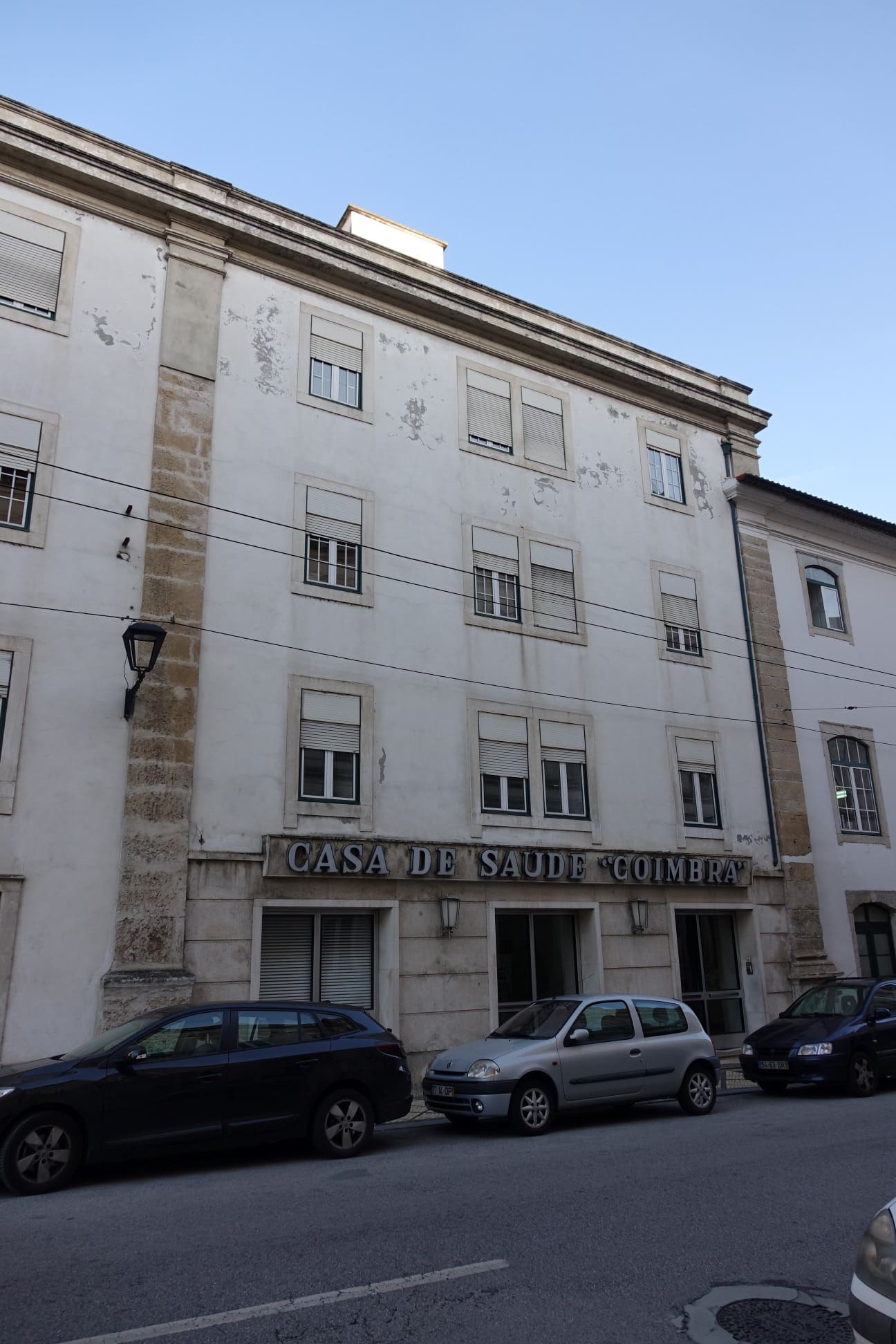
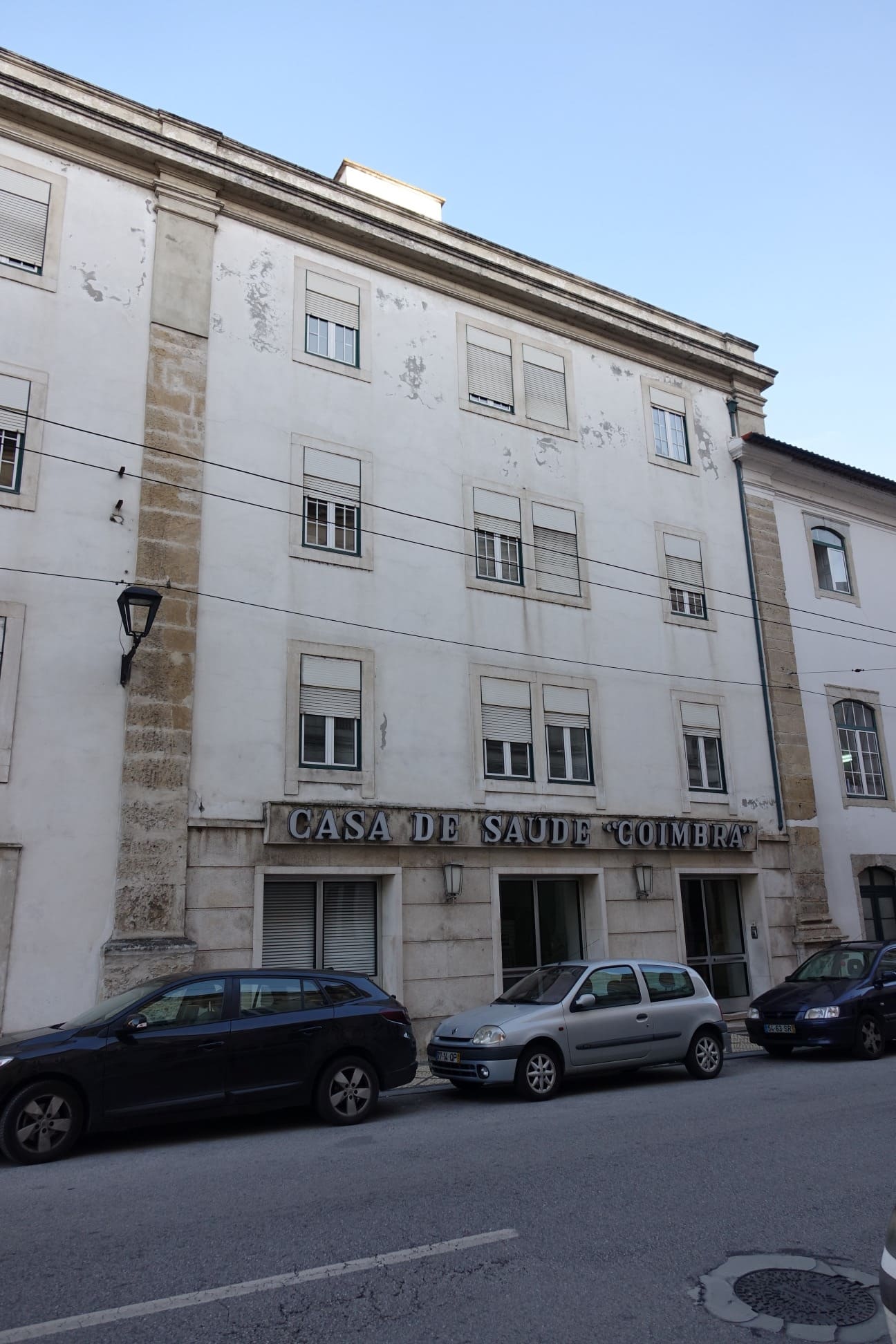
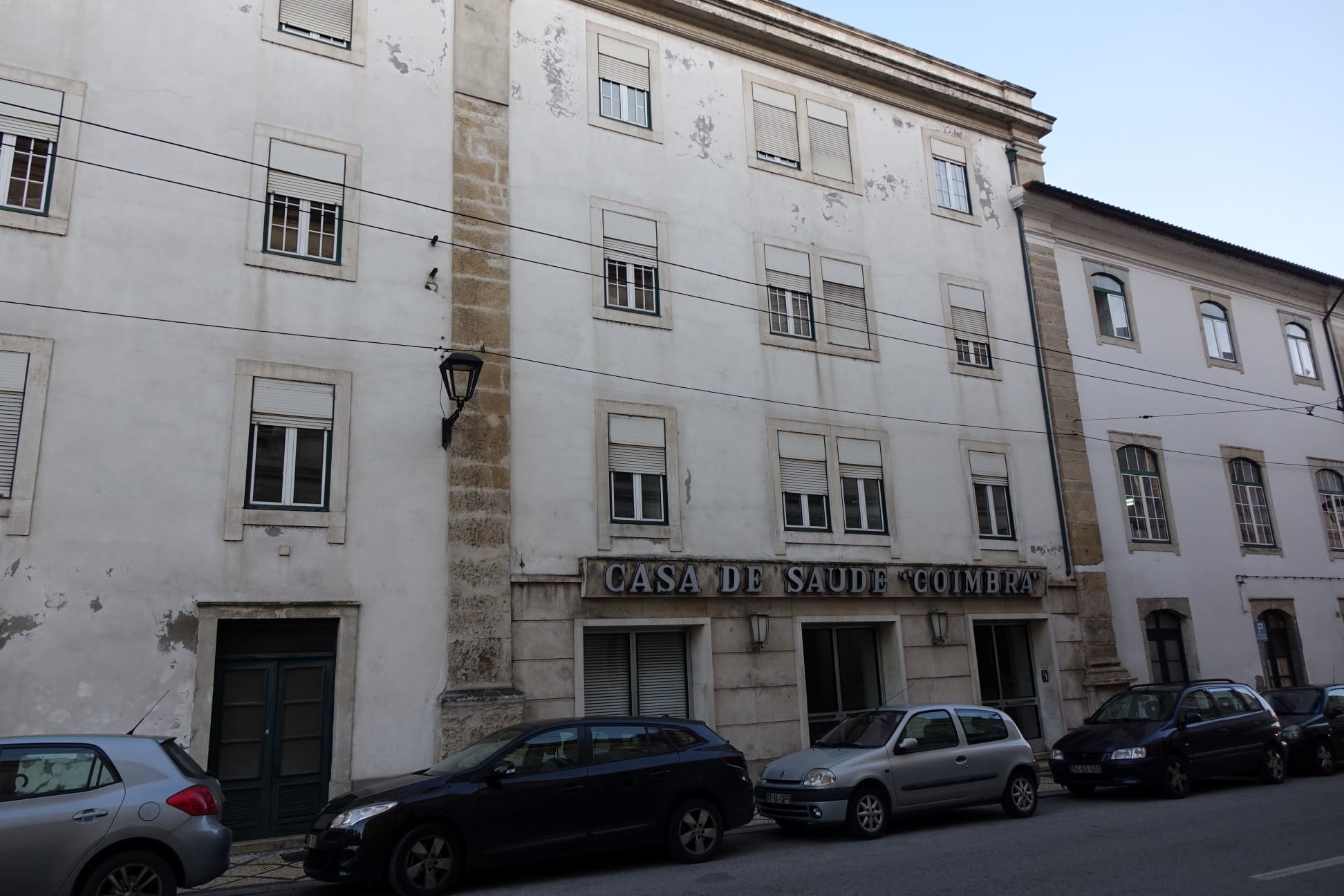
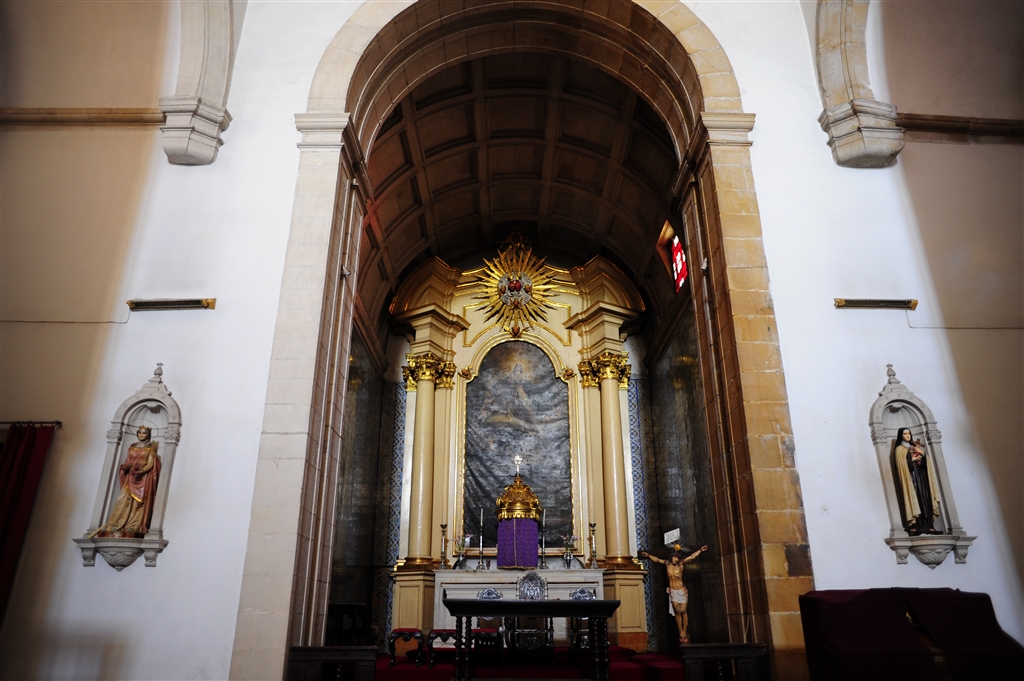
Established in 1540 by the Bishop of Miranda, D. Rodrigo de Carvalho, for twelve poor clergymen from Miranda to study Theology or Canon Law at the University of Coimbra. The building was constructed between 1543 and 1548 and originally consisted of a church, a cloister, and a dormitory. In 1574, King Sebastian granted these religious figures the building next to the Royal Alcáçova (south of what is now Porta Férrea), and the College of São Pedro came to occupy two buildings, one in the lower town and the other in the upper town. The building in Baixa came under the jurisdiction of the Third Order Regular of St. Francis (Shod Franciscan friars or Third Order friars, commonly known as “Borras”) and the one in Alta was intended for doctors and graduates with a view to teaching. From 1834 onwards, it became part of the University's heritage and, since the last century, after undergoing major changes, it has been adapted for use as the rector's office and administrative services.
It is part of the University, Alta and Sofia site, classified as a World Heritage Site by UNESCO since 2013.
Read moreObservations
Much of the building has undergone adaptations over time, and may not retain all of its original architectural features.
Particularities
Its simple structure contrasts with other more ornamented colleges, reflecting the more austere philosophy of the congregation that inhabited it.
Extra Information
Access to the interior space may be limited due to functional changes made to the building.
Aspetos Diferenciadores
Its value lies in its representativeness as a symbol of the religious organization in the university city and its integration into the urban layout of Coimbra’s academic area.
History
Founded in the 16th century to house members of the Secular Clergy order, the college was part of the reformist movement that marked the University of Coimbra after its consolidation in the city.
Its existence reflects the key role of religion in the educational structure of the time, and today it is a reference in the study of university college organization.
College of Saint Peter of the Religious
Rua da Sofia, 158
3000-390 Coimbra