



Coimbra Municipal Museum
Presentation
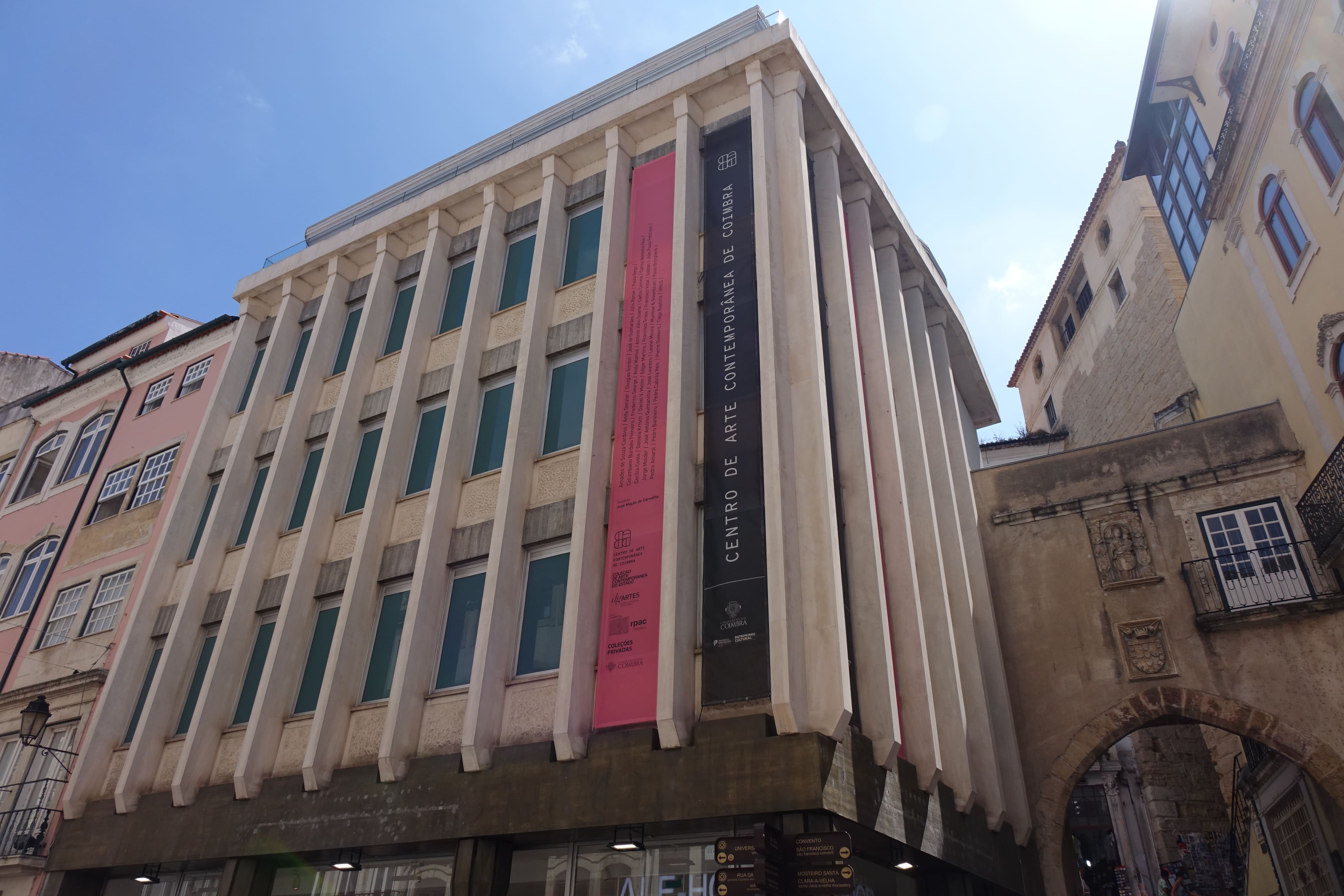
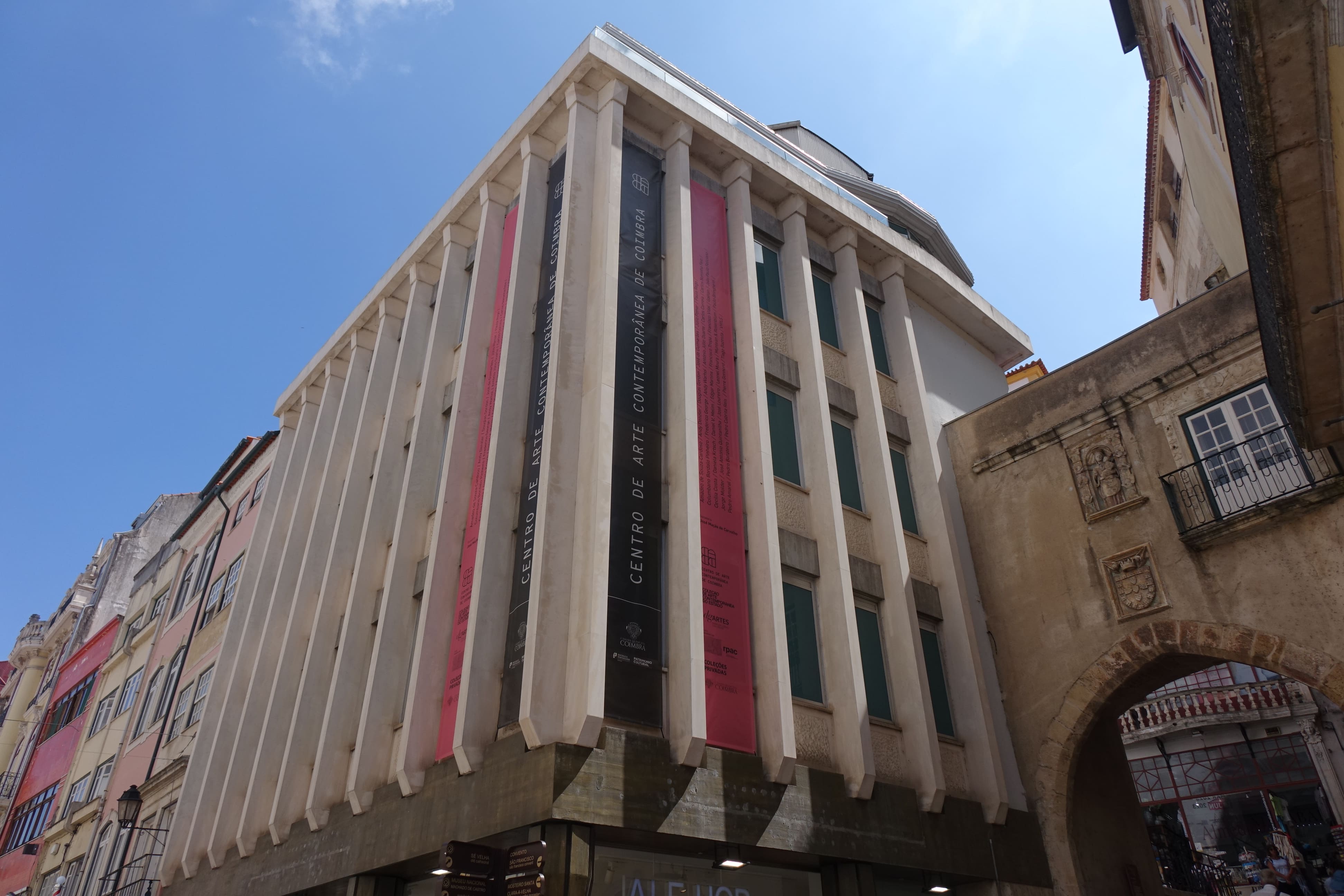
The Municipal Museum of Coimbra City Council is divided into five centers located in the Chiado Building, the Almedina Tower, the Anto Tower, the City Hall, and the Inquisition Building. Its mission is to research, understand, and disseminate topics related to the museum centers and their collections, for the knowledge and enjoyment of visitors, as well as to promote the historical and artistic heritage of the city of Coimbra, with a view to raising public awareness of its preservation.
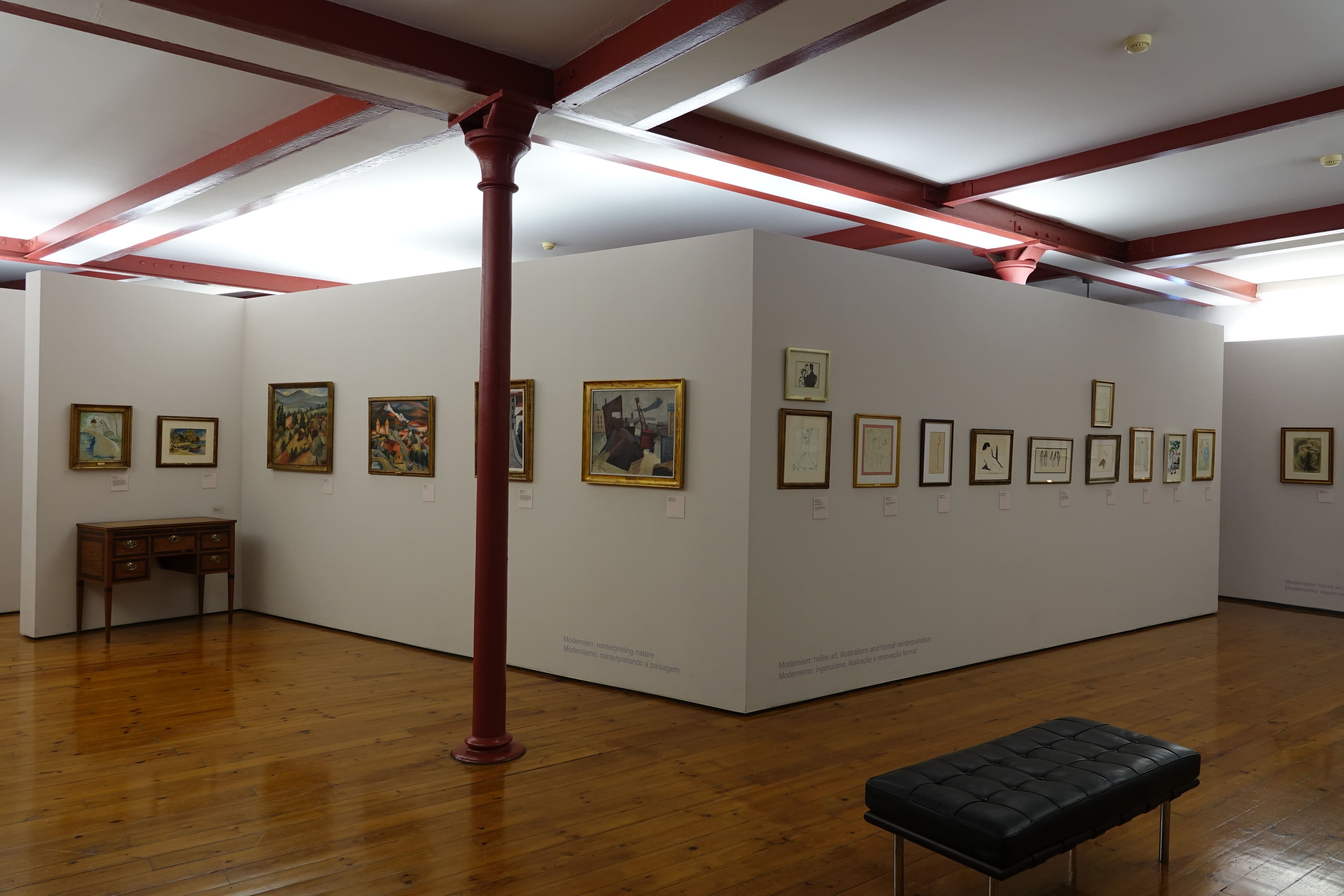
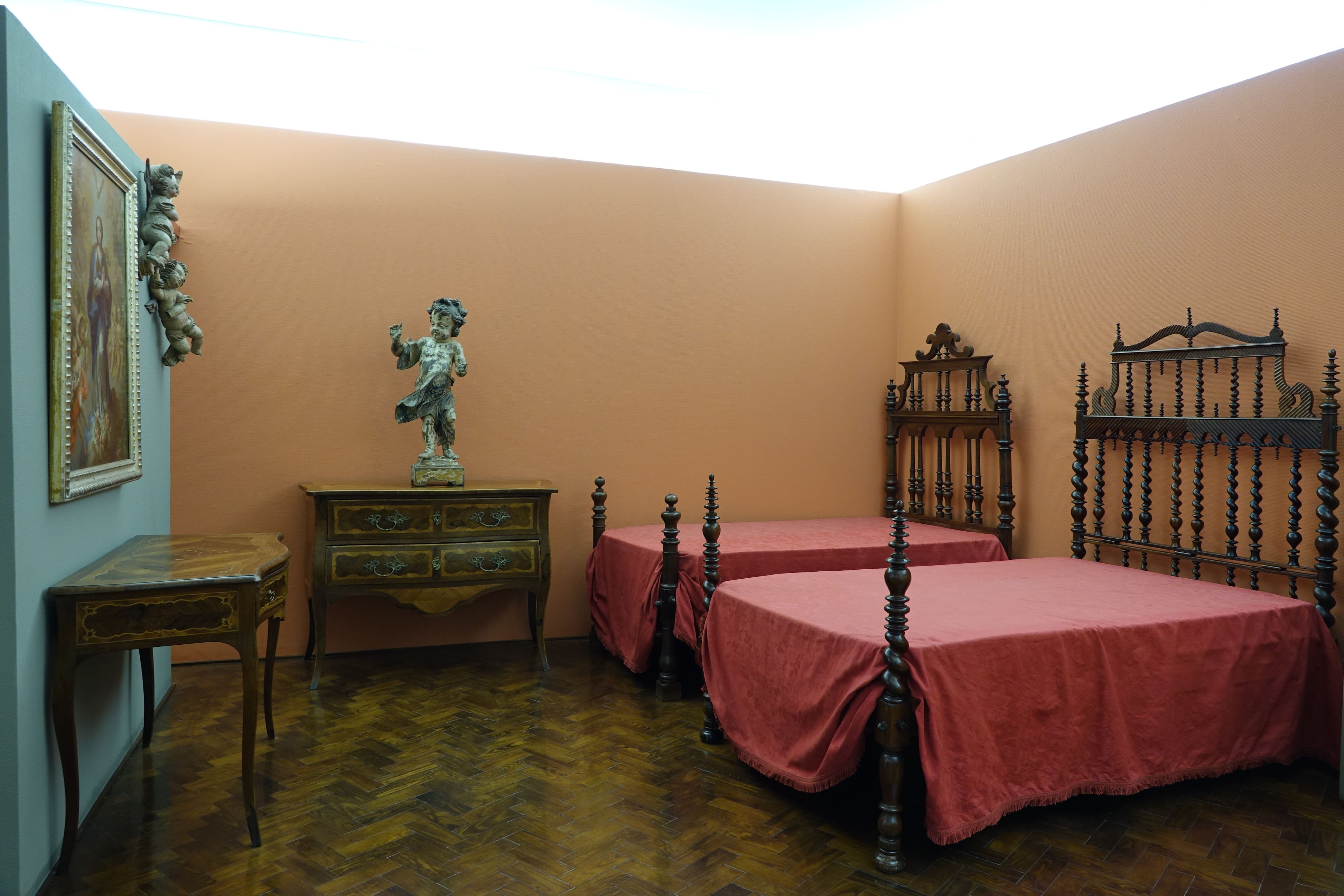
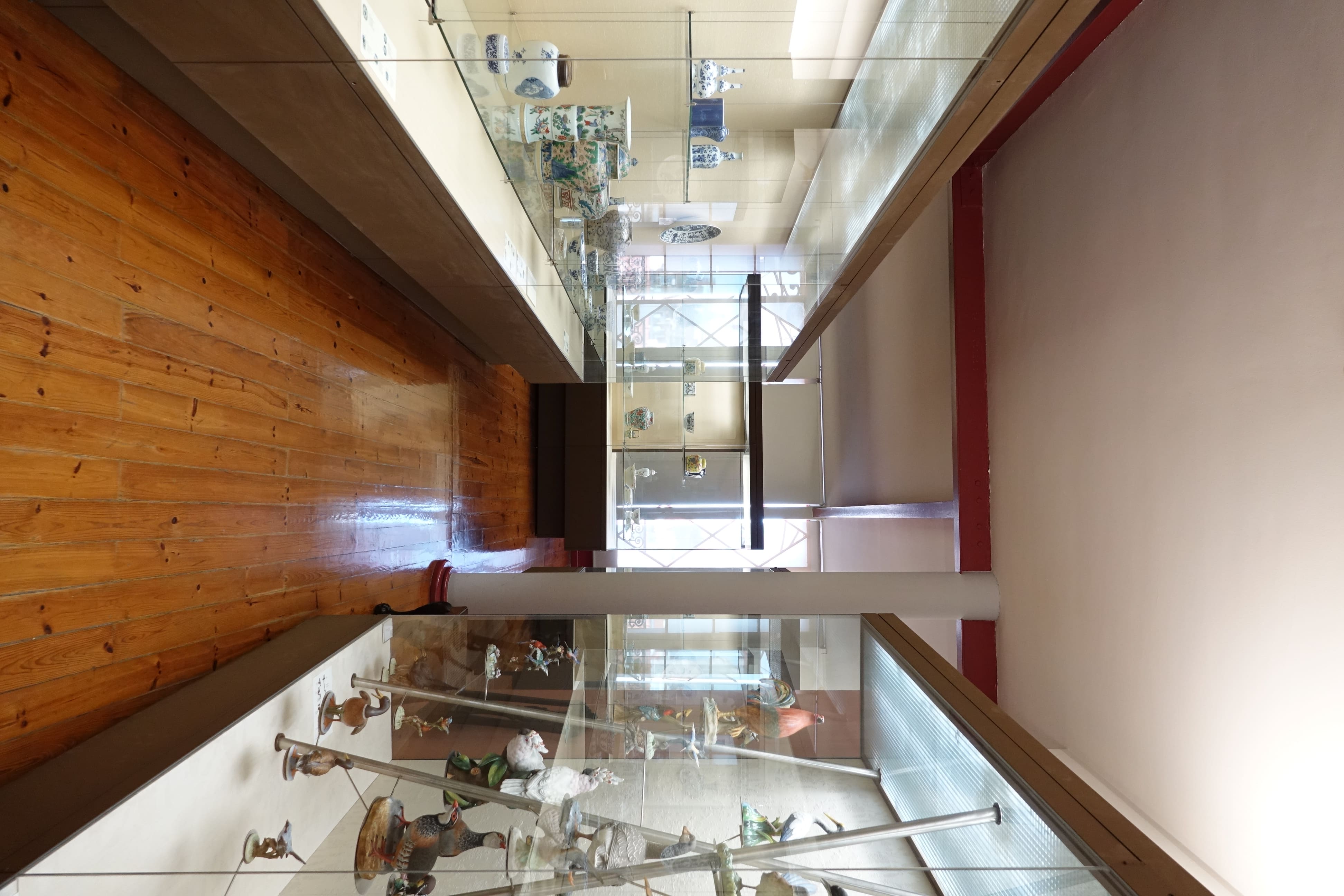
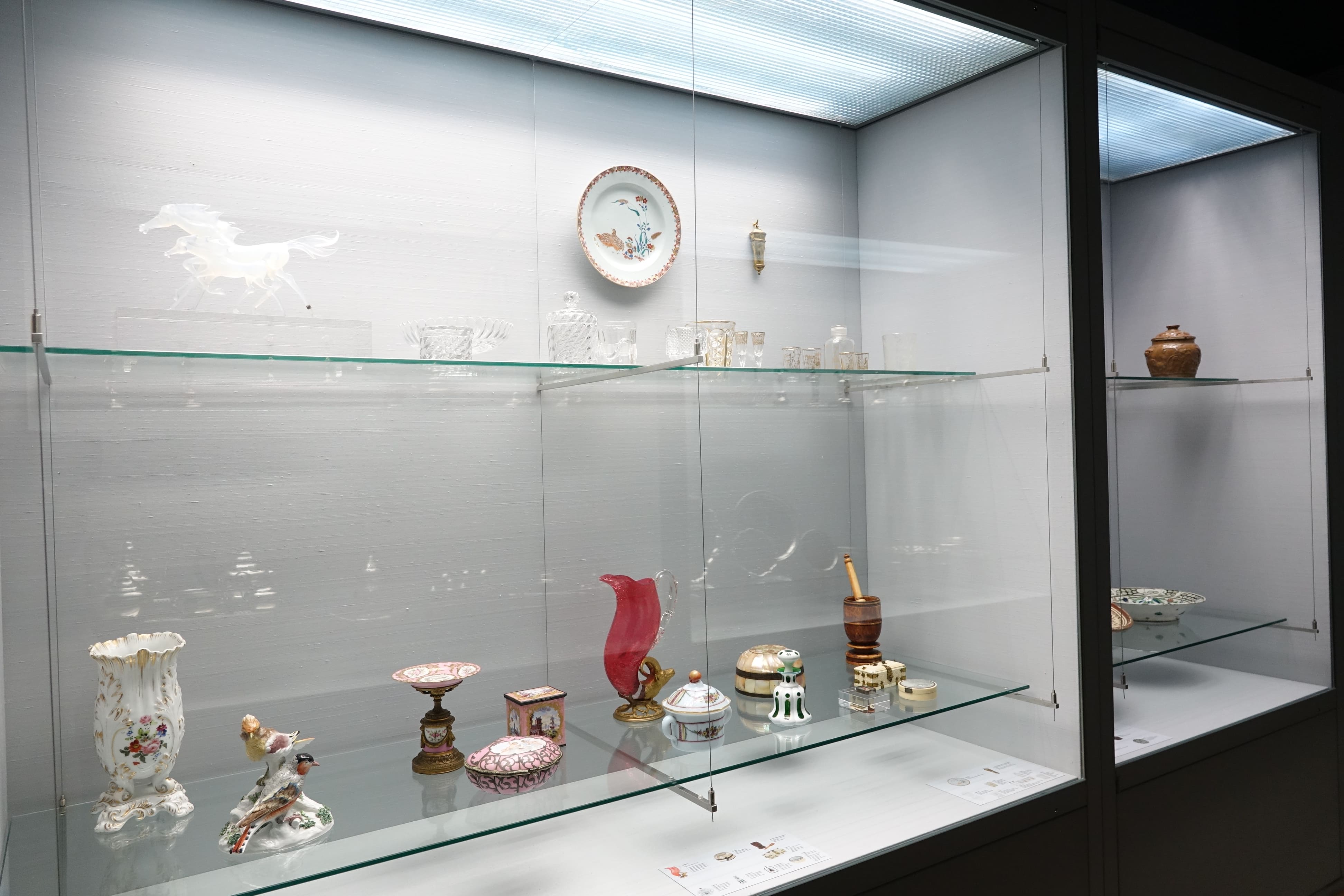
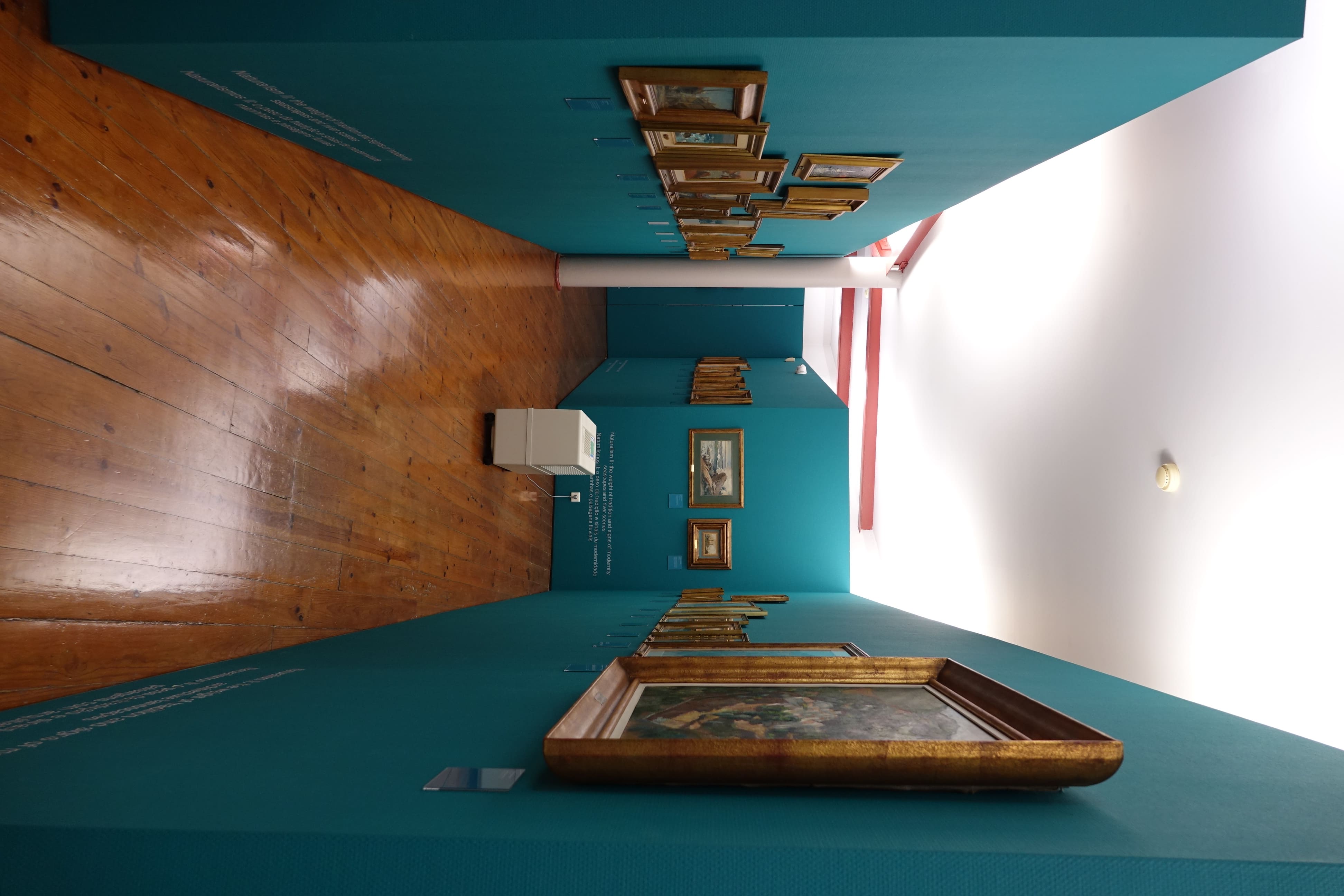
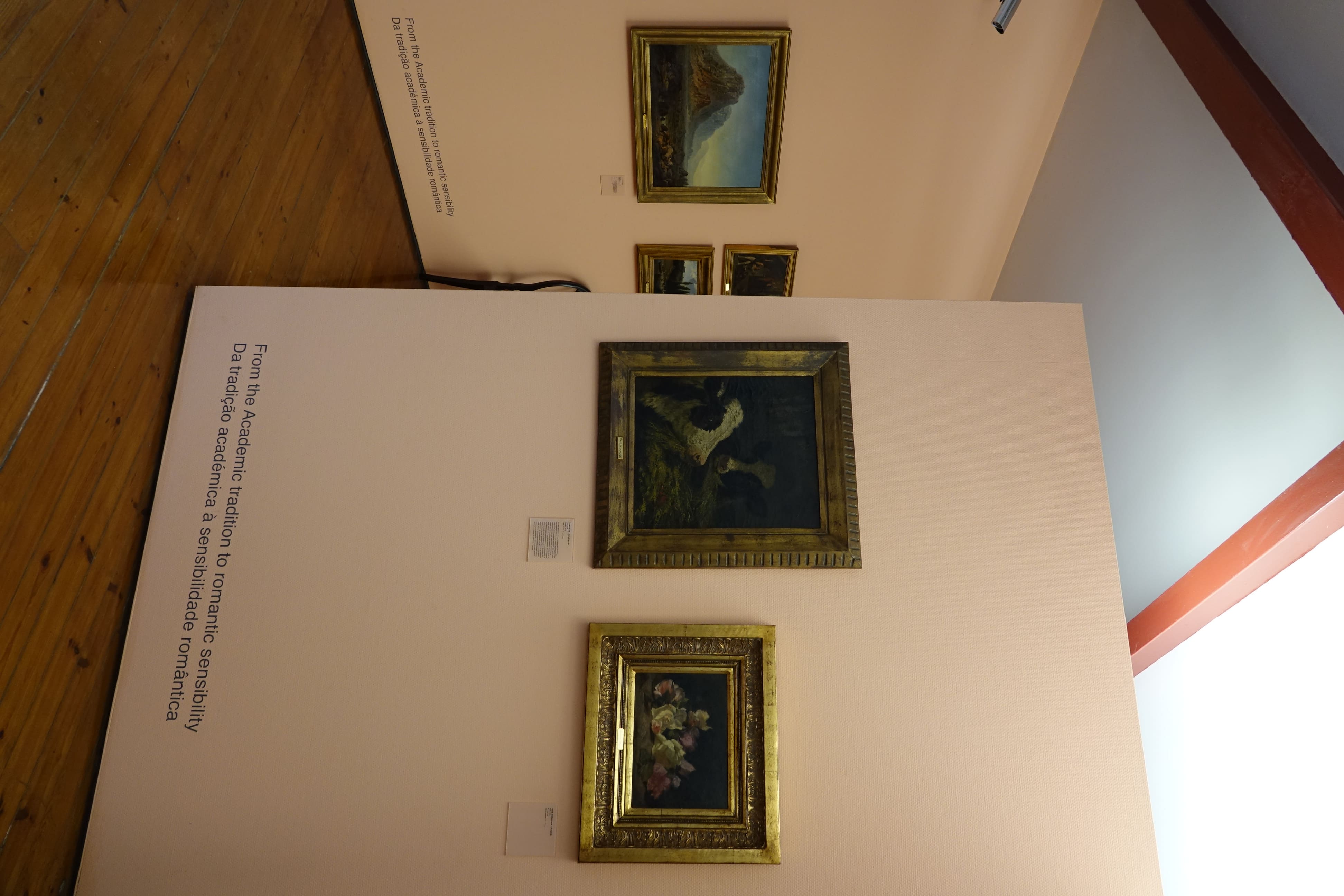
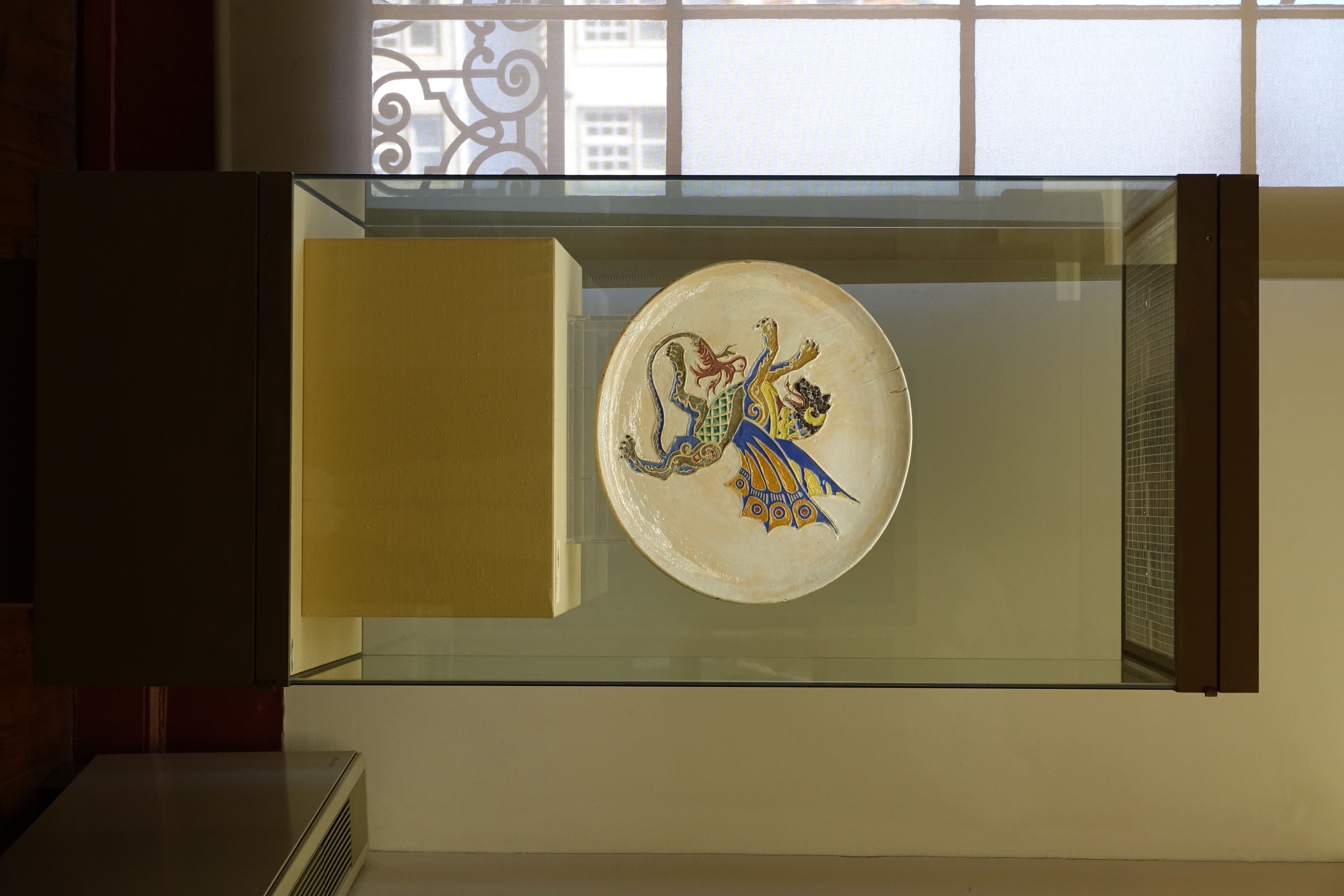
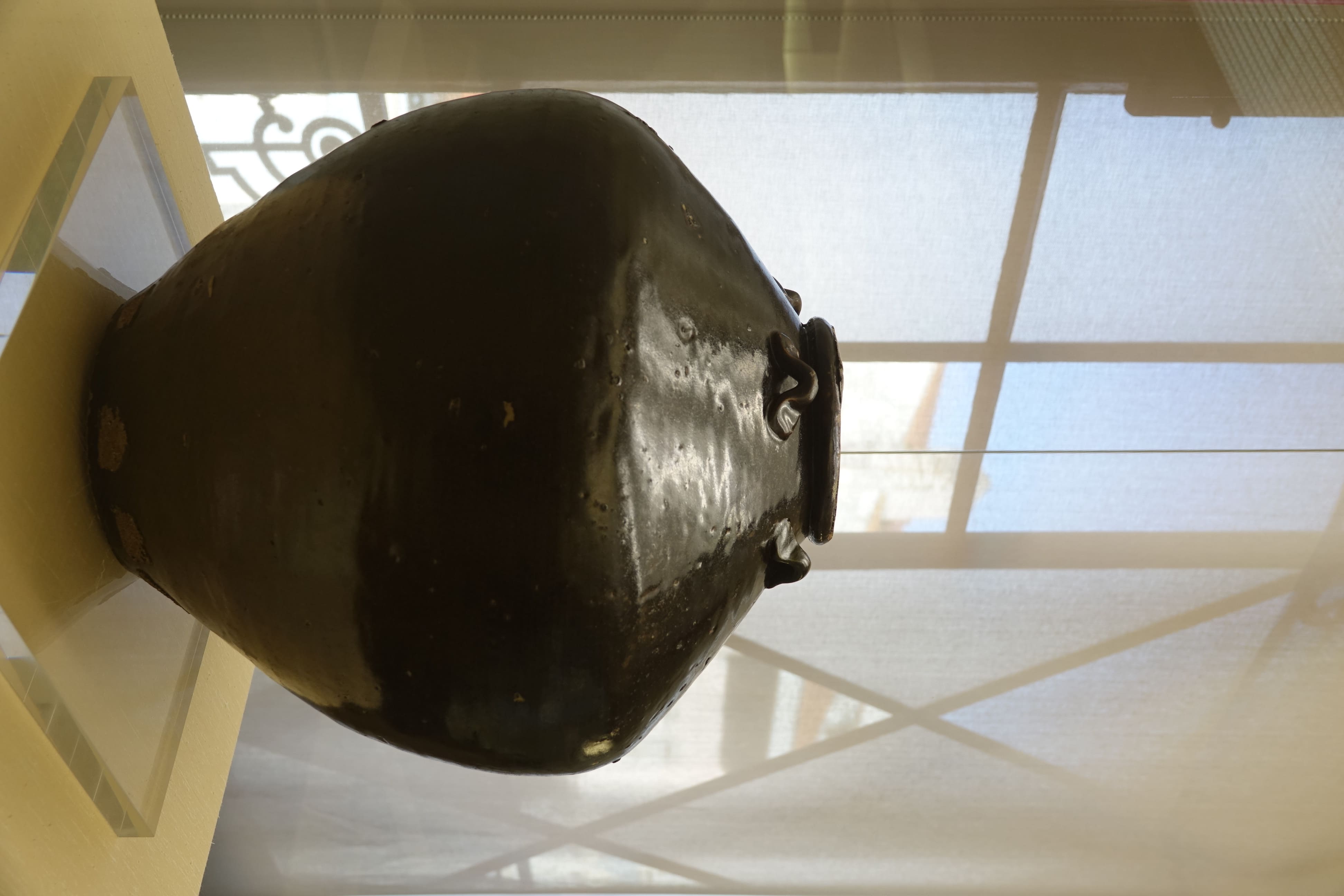
In addition to the obvious interest of its buildings, the Municipal Museum presents, among other collections, the Telo de Morais Collection, consisting of an important collection of 19th and 20th century Portuguese paintings, as well as significant examples of ceramics, sculpture, silverware, and furniture.
Each section of the Municipal Museum offers a diverse program of temporary exhibitions and activities on the themes of art, architecture, and local and national history, which seek to encourage critical thinking and the creation of cultural habits.
Chiado Building
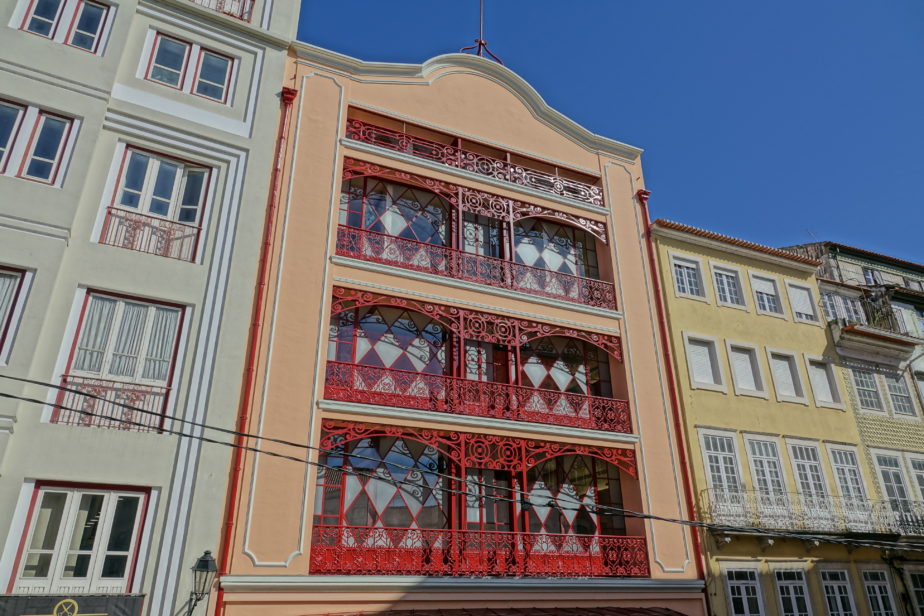
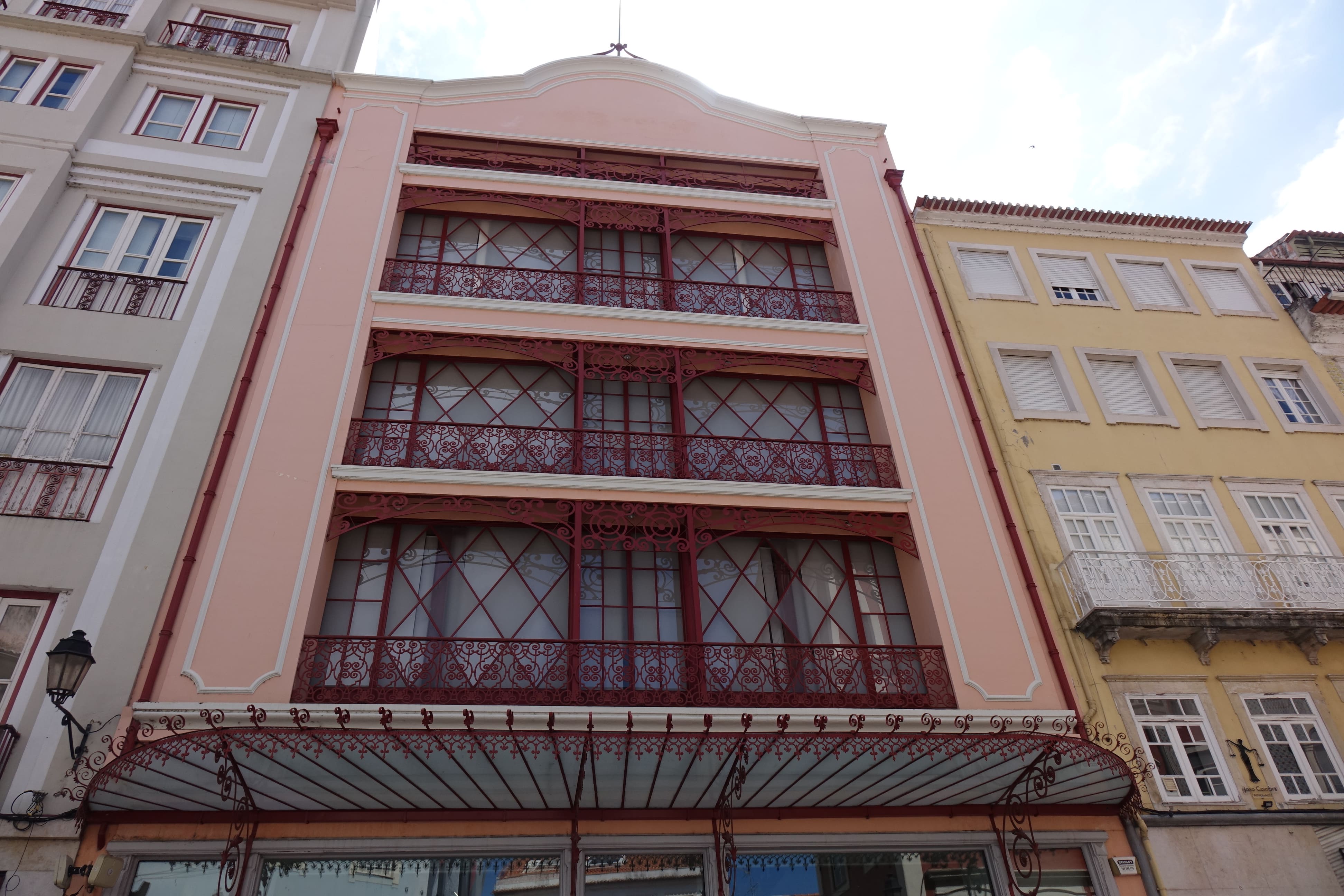
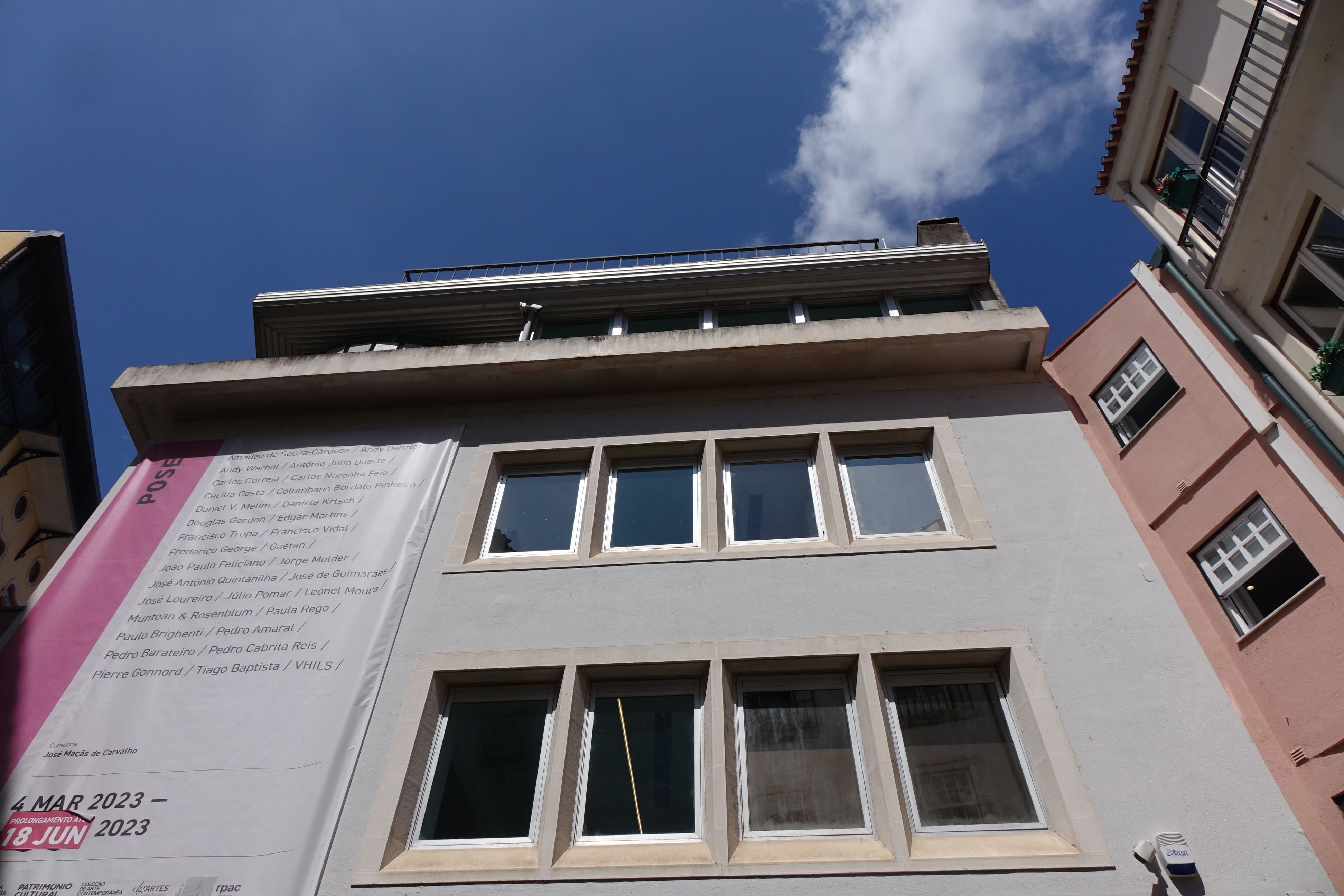
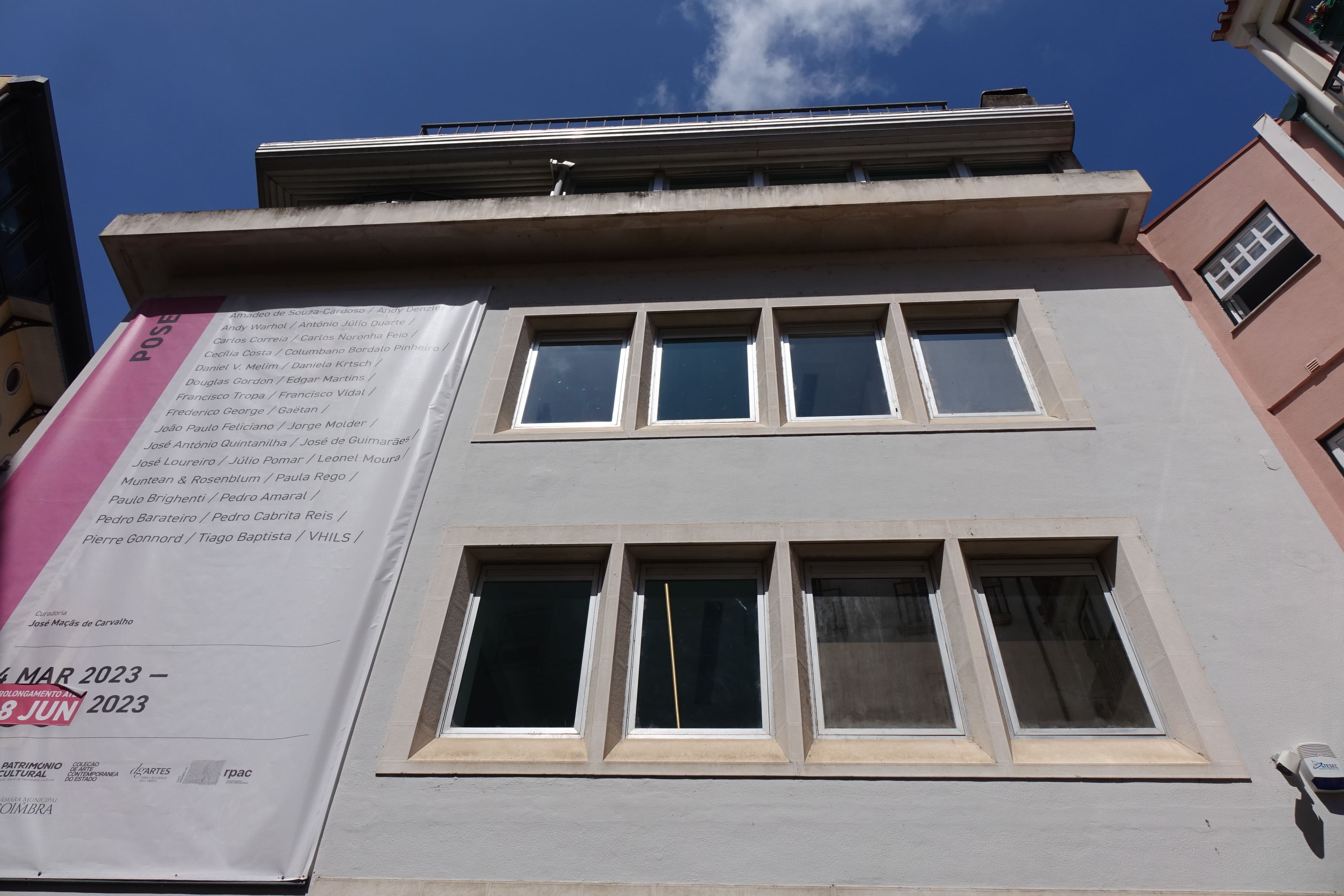
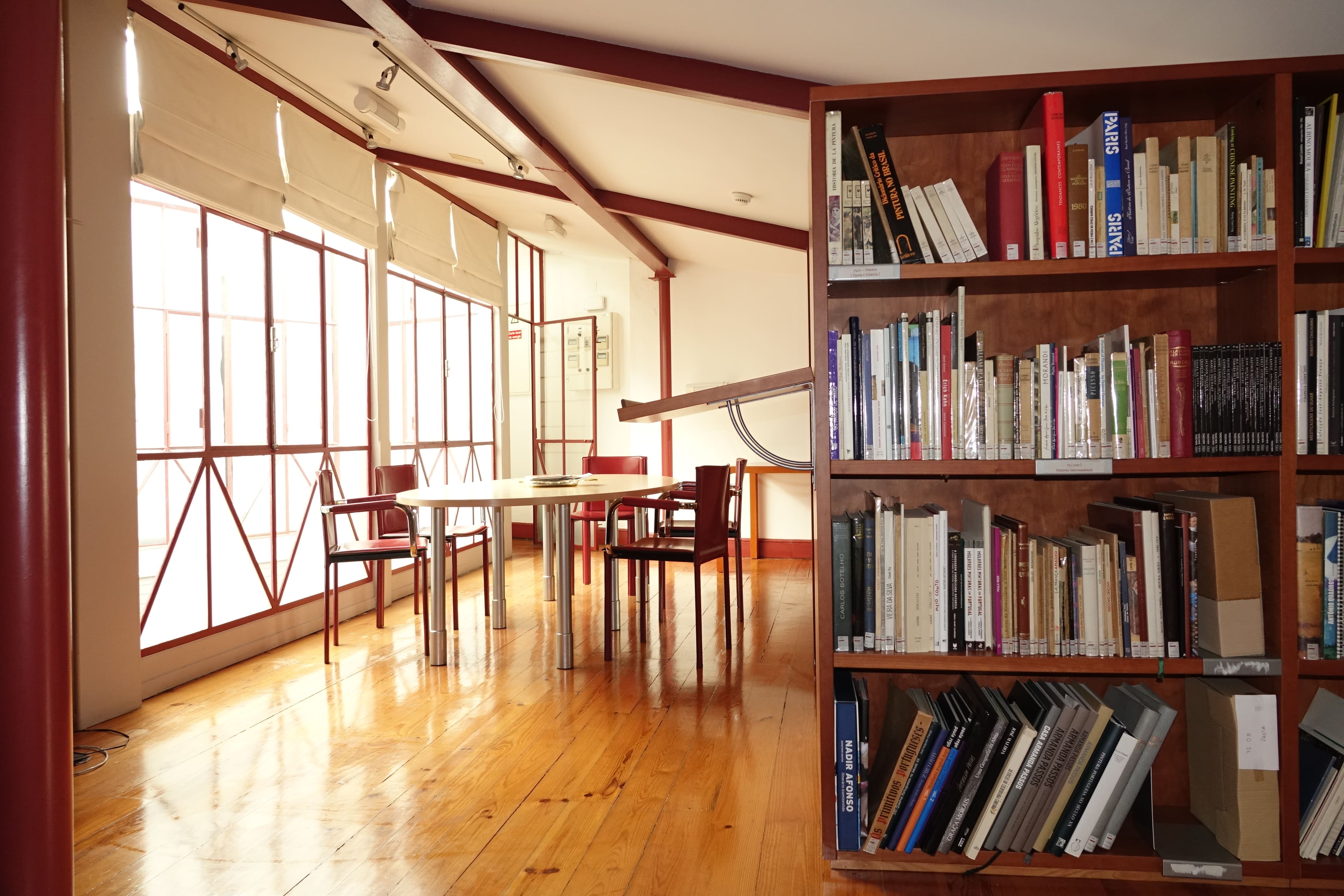
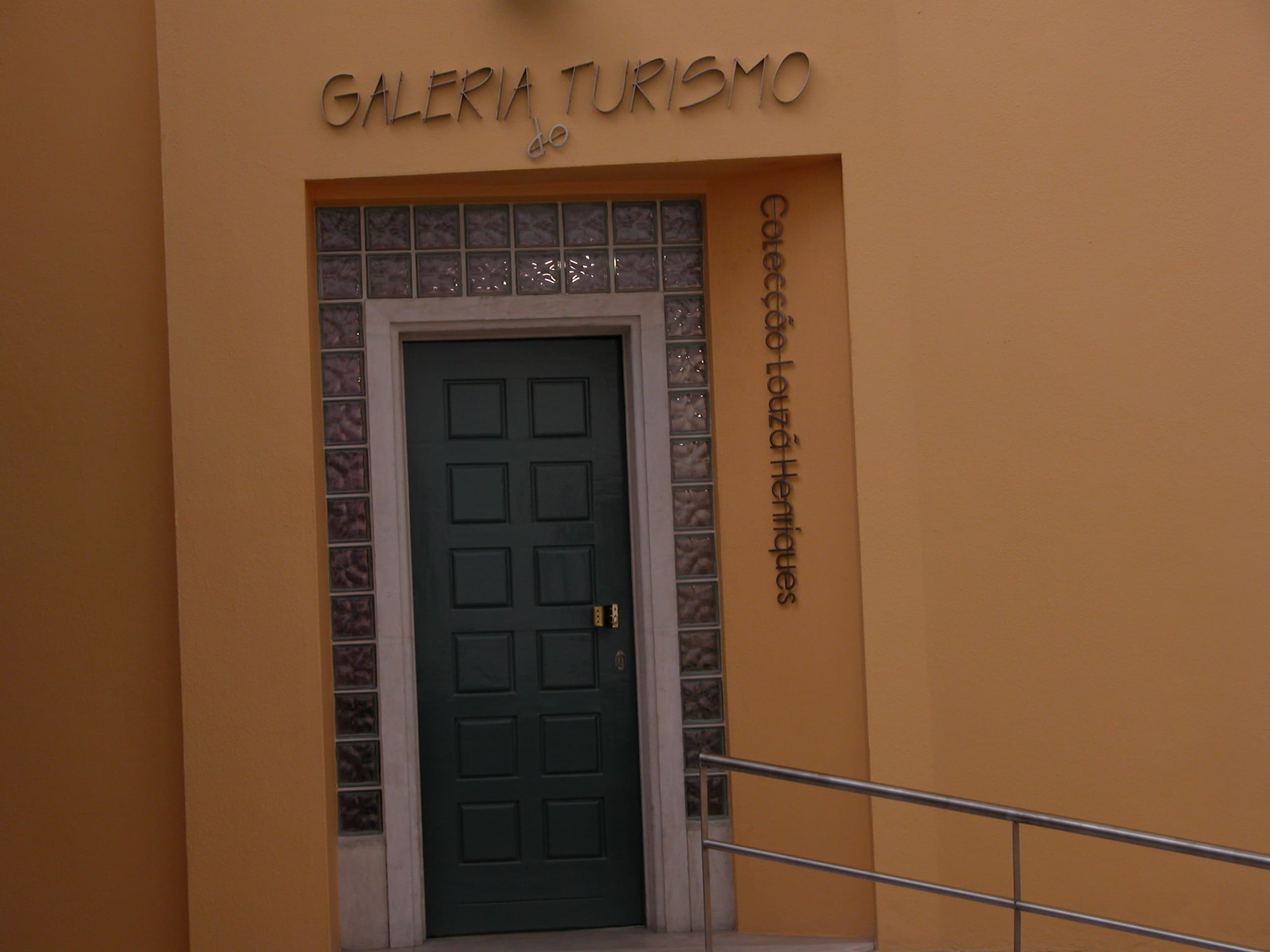
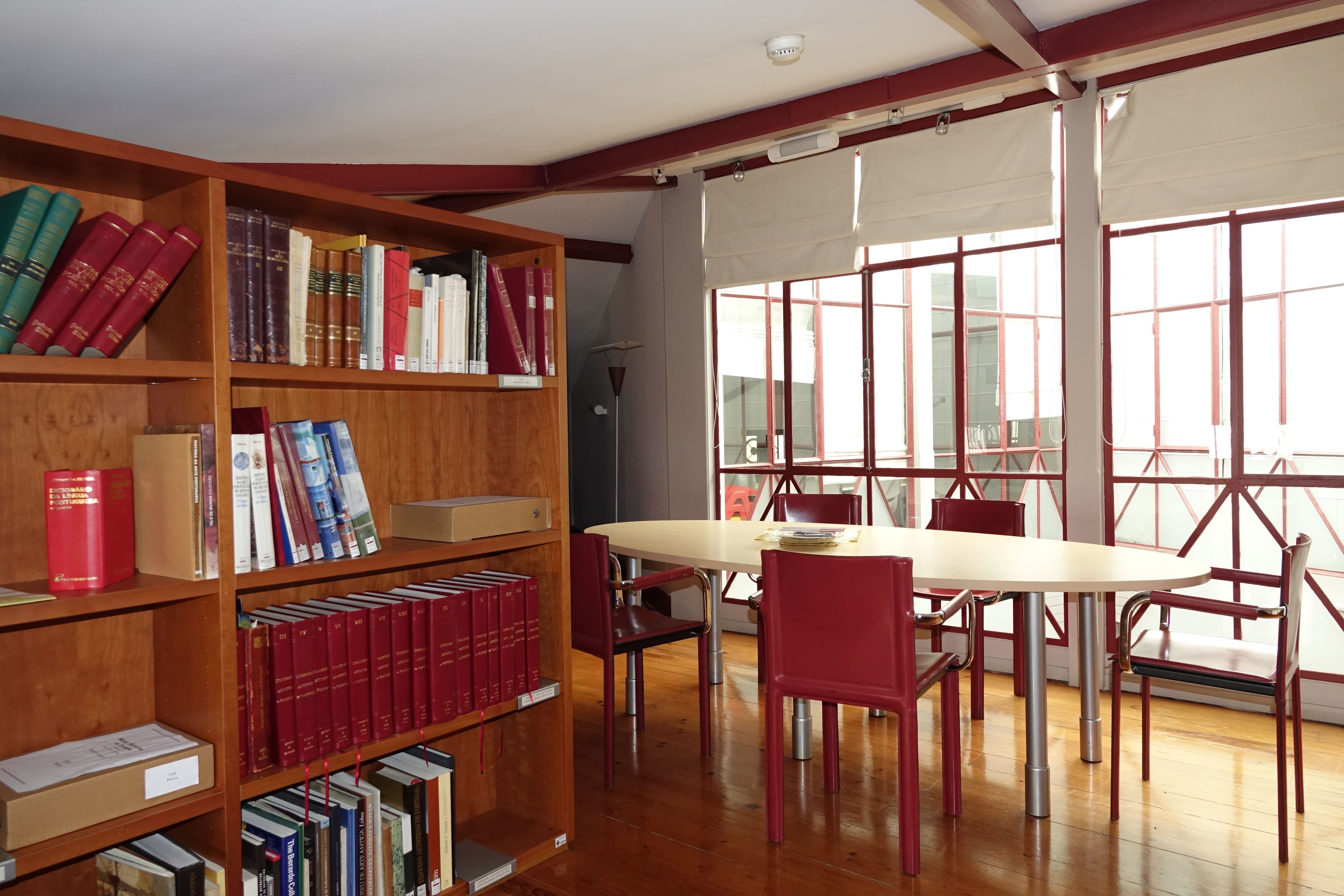
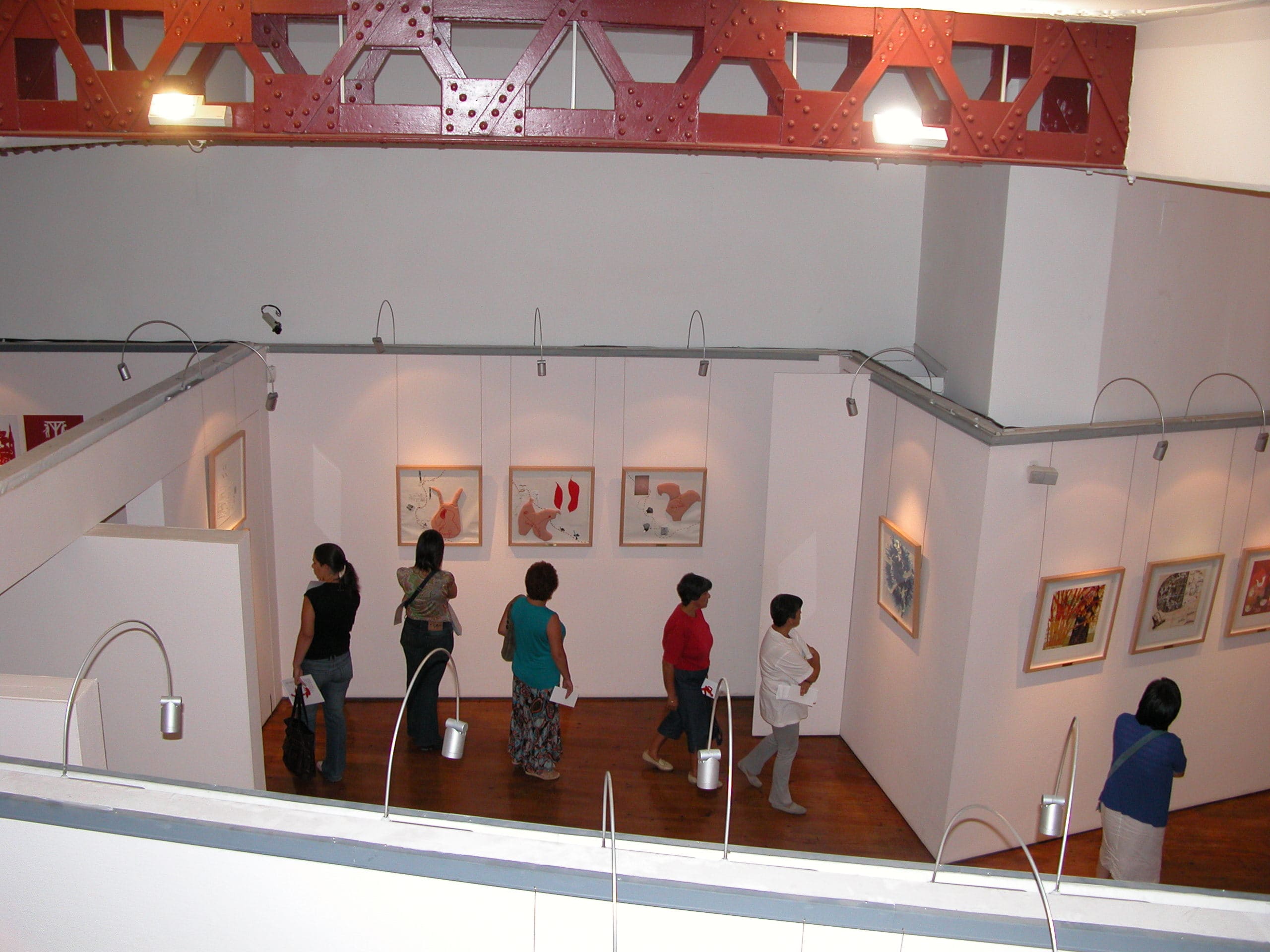
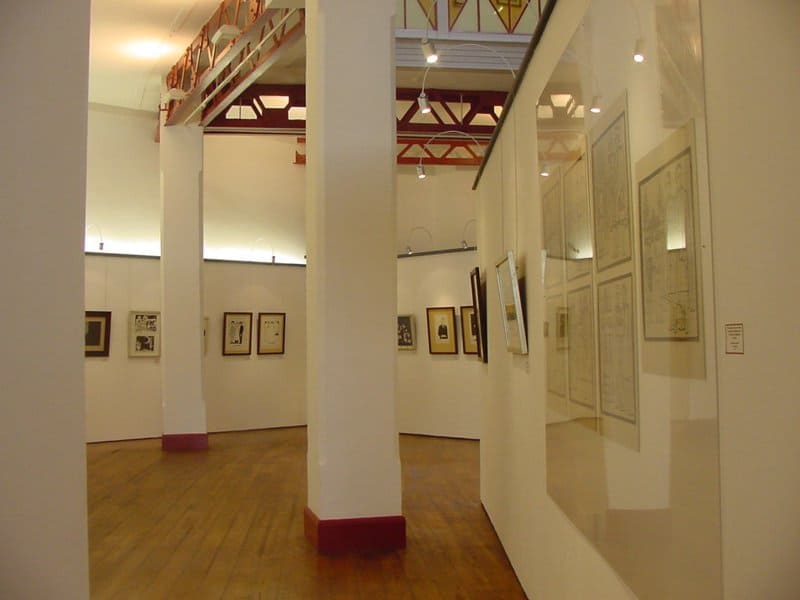
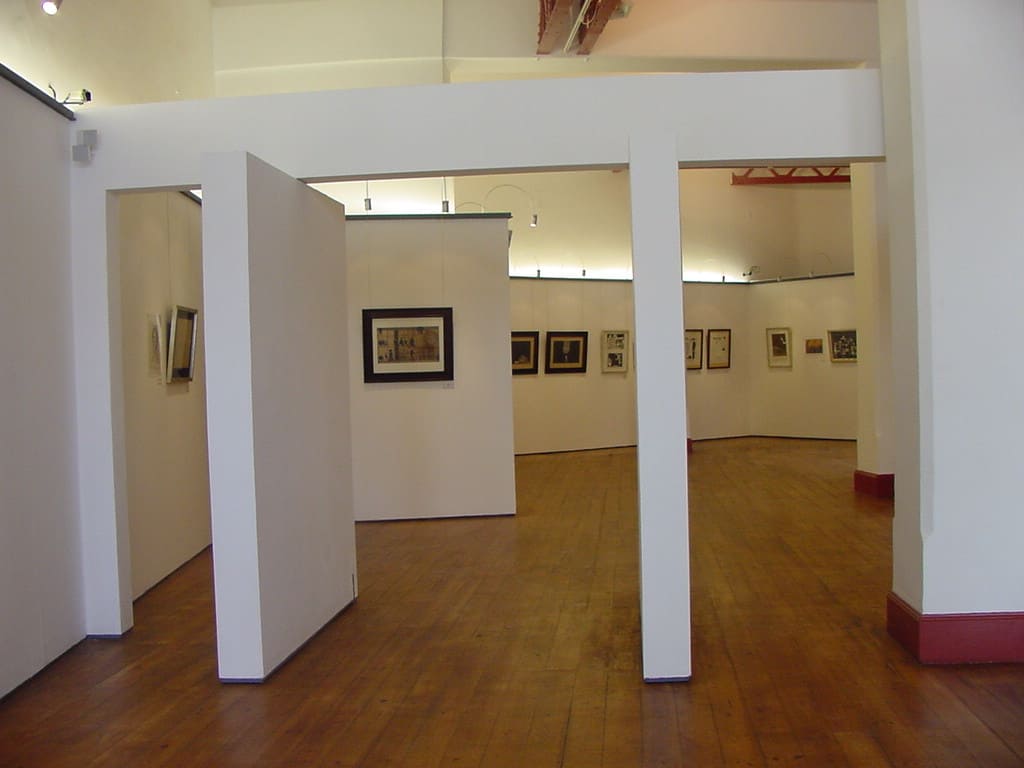
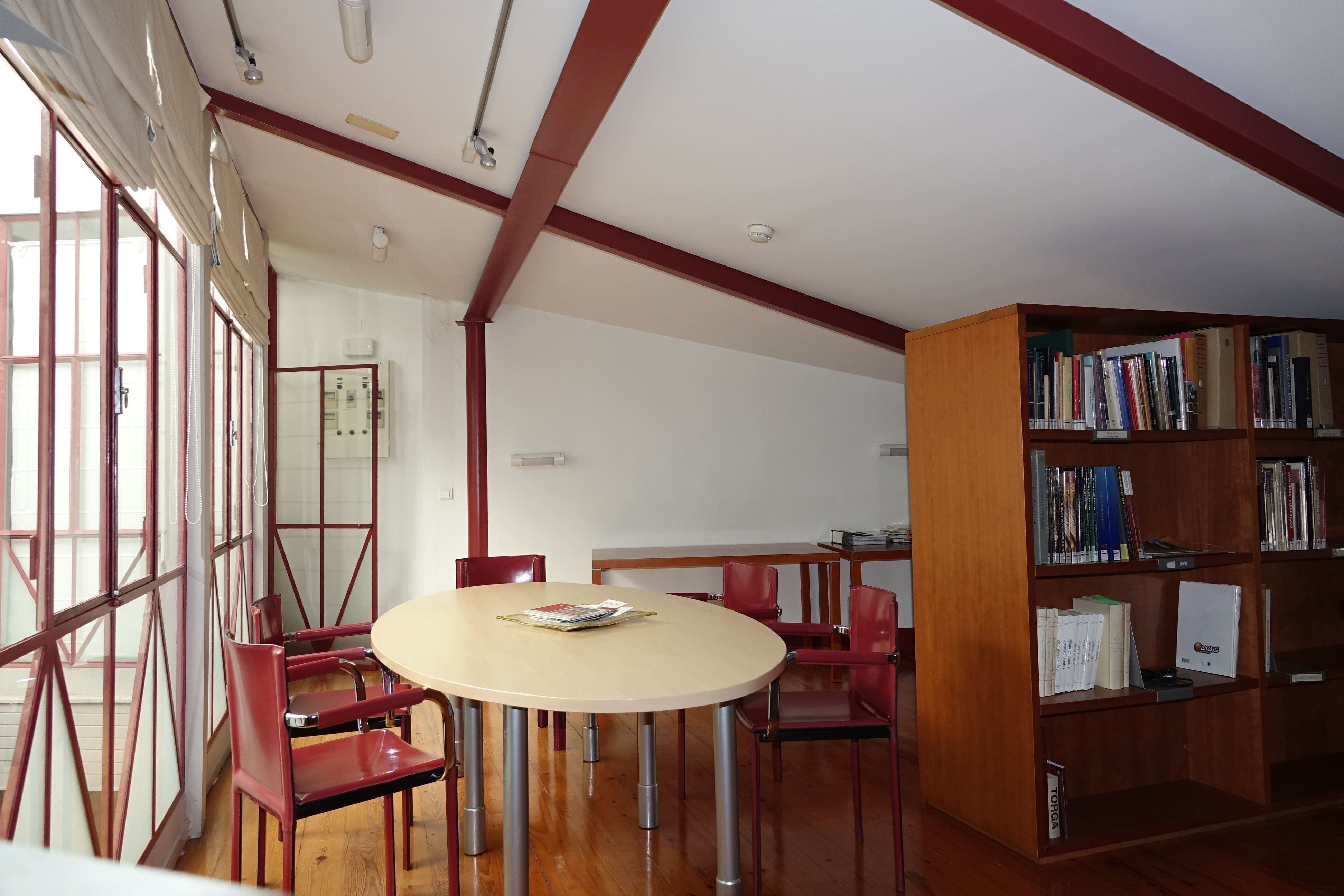
The Chiado Building is an interesting example of iron architecture, inaugurated in 1910 to provide Coimbra with a branch of the Grandes Armazéns do Chiado department store in Lisbon. It was a space for selling various products such as clothing, fabrics and haberdashery, food, furniture, and toys. Acquired by the Coimbra City Council in 1984, it underwent renovation work and, in 2001, housed the art collection donated to the city by the Telo de Morais couple, as well as their art library. The permanent exhibition includes an important collection of 19th and 20th century Portuguese paintings, as well as significant examples of ceramics, sculpture, silverware, and furniture. Temporary exhibitions are held on the ground floor and in the Almedina gallery.
Almedina Tower|Walled City Center
The Almedina Tower, a National Monument since 1910, was once the main gateway to the intramural city of Coimbra, whose name takes us back to the Islamic era. It currently houses the Walled City Center, whose goal is to restore the collective memory of the wall's existence, demonstrating its decisive influence on the urban organization of Coimbra through the reconstruction of the city's defensive structure—its walls, watchtowers, and gates—allowing visitors to gain a better understanding of the history and urban space of medieval Coimbra. It is an interpretive center that is complemented by a walking trail, where you can see the remains of the defensive structure and its boundaries. The upper floor hosts annual temporary exhibitions focused on the history of the city of Coimbra, as well as themes related to medieval history.
Torre de Anto|Guitar and Fado Center
Of medieval origin, the Torre de Anto was part of the old wall surrounding Coimbra. During the Manueline period, it was adapted into a residence and, at the end of the 19th century, the poet António Nobre lived there, which gave rise to the name by which it is known today. Classified as a National Monument since 1935, it currently houses the Guitar and Fado Center of Coimbra, inaugurated on July 4, 2015, by the Coimbra City Council, which aims to contribute to the knowledge and dissemination of an artistic expression that has projected the city to the world. Singers, instrumentalists, composers, and guitarists form an exhibition that traces the most relevant moments in Coimbra's singing and guitar tradition over several generations. There you can see some objects belonging to the great master Carlos Paredes, the lyrics of an original song by Zeca Afonso, a guitar by António Portugal, and the handwritten lyrics of Trova do Vento que Passa, by Manuel Alegre. This space has a mini-auditorium for small concerts and several multimedia kiosks with touch screens that allow visitors to explore a wealth of information on the exhibition's theme. And because we are talking about music and fado, visitors have access to a playlist that they can enjoy.
City Hall | Former Refectory of the Monastery of Santa Cruz
The City Hall is located in the former refectory of the Monastery of Santa Cruz, designed by Diogo de Castilho, which was transferred to this space in 1528 as part of the reforms carried out by Friar Brás de Braga. At the eastern end of the room, the old pulpits and the arch of the central space remain, where the sculptor Hodart modeled the figures of the Last Supper in clay, currently on display at the Machado de Castro National Museum, as well as the large five-key vault with star-shaped ribs and the enxaquetado-style tile covering. Given to the Mutual Aid Association of Artists of Coimbra in 1865, the Hall returned to the possession of the Coimbra City Council at the end of the 1980s. After archaeological surveys and renovation of the space, which restored its original grandeur and dignity, the City Hall became a privileged space for the presentation of temporary exhibitions of a historical nature and major contemporary artistic projects.
Inquisition Building|Exhibition Jews of Coimbra
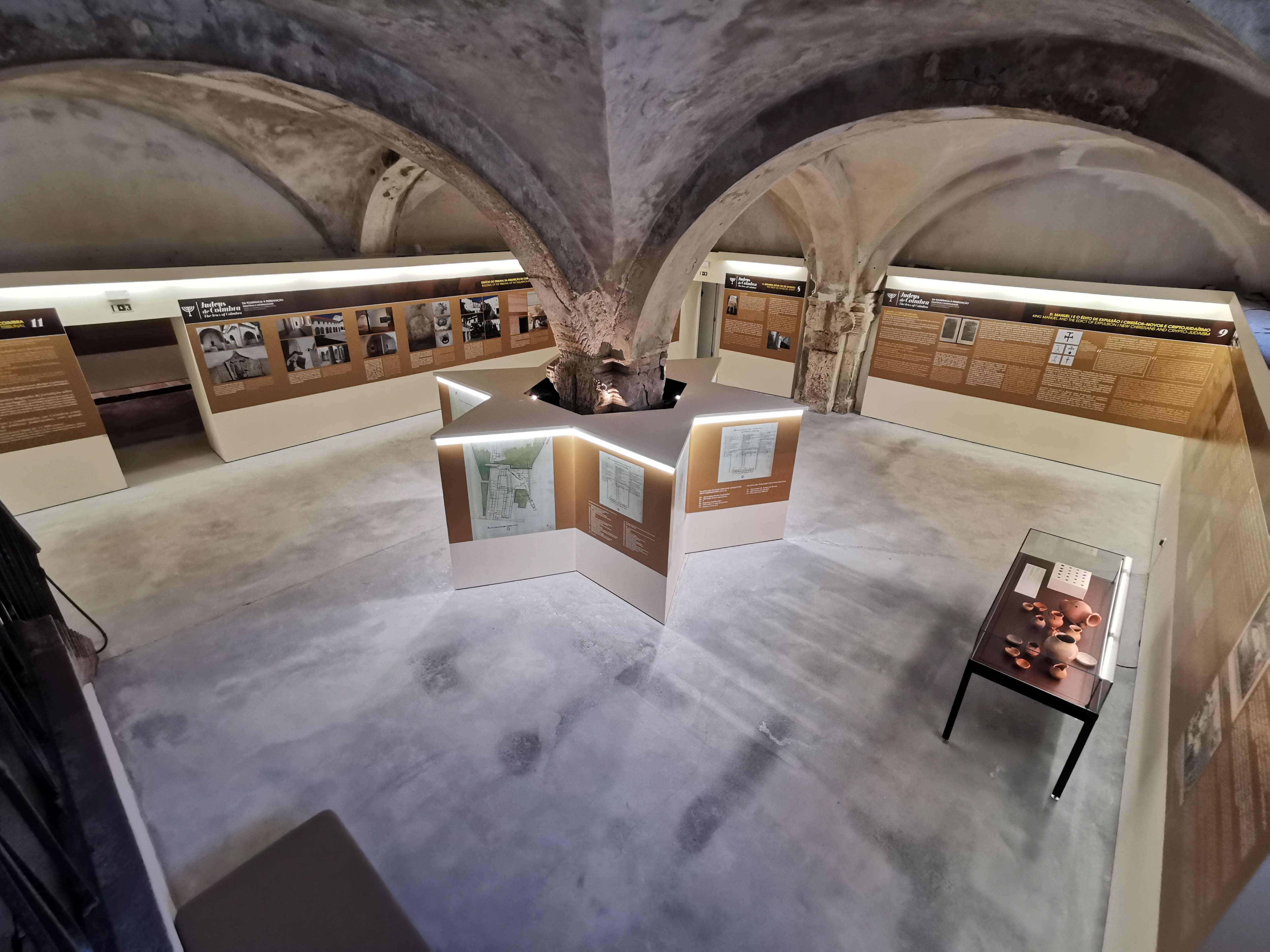
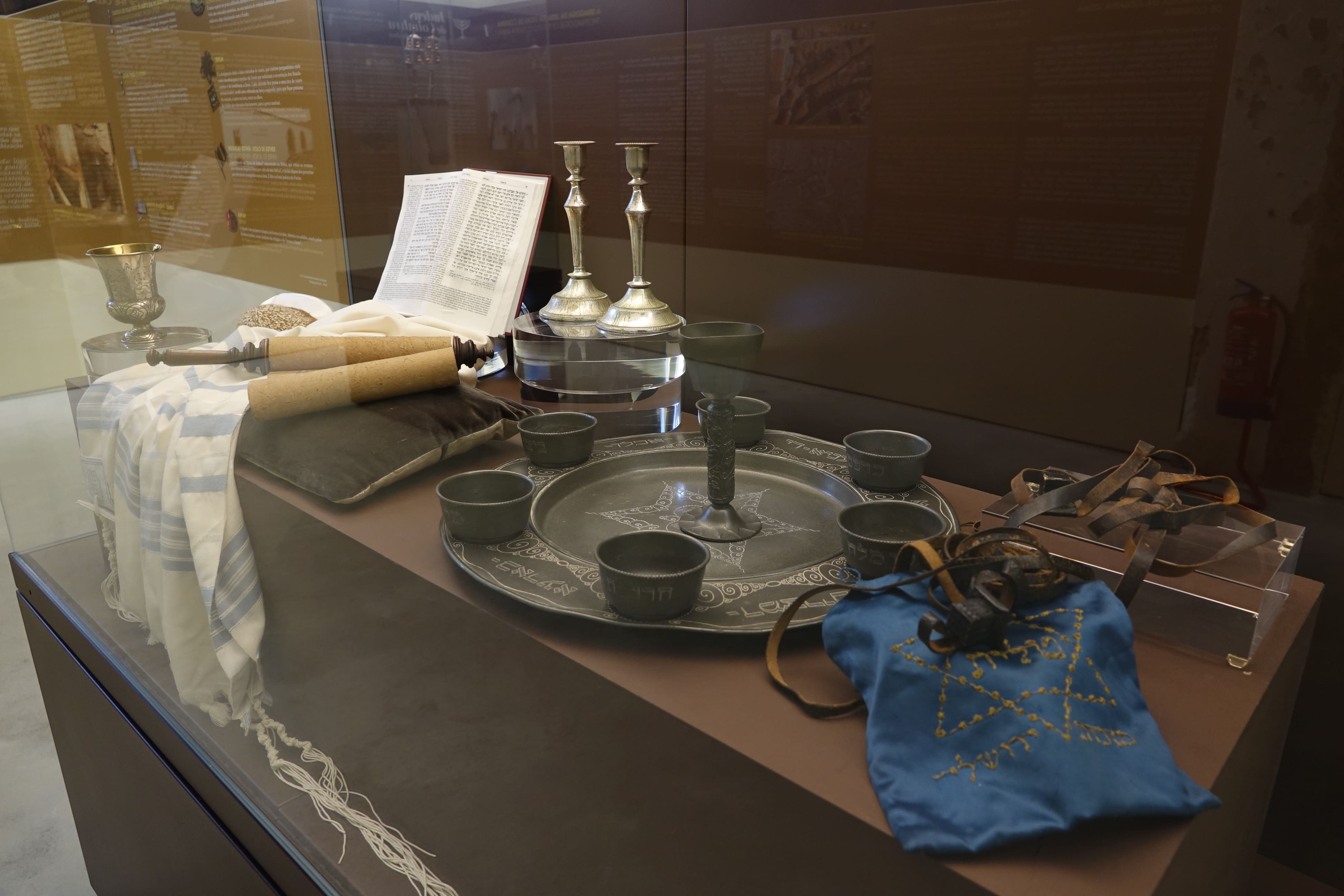
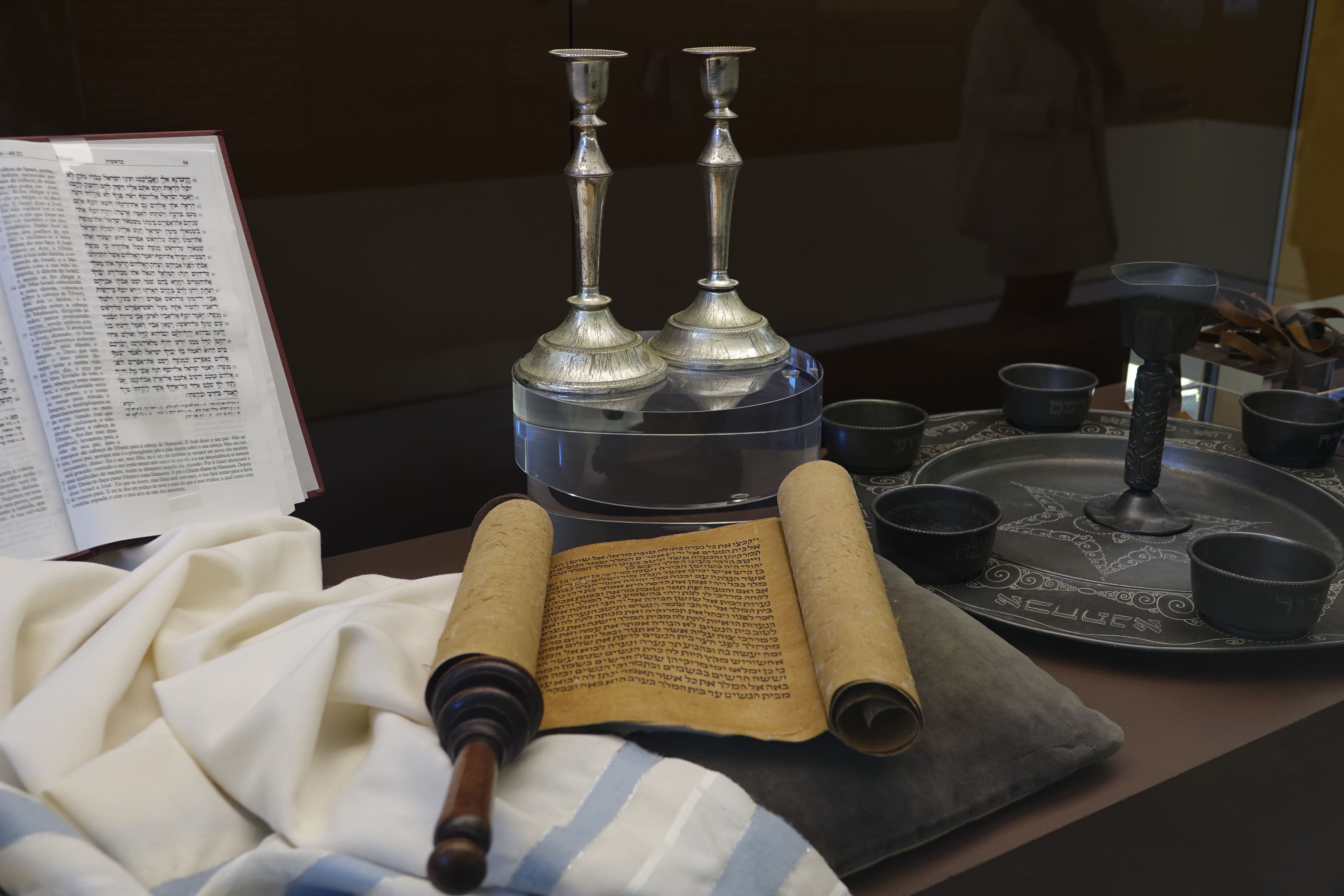
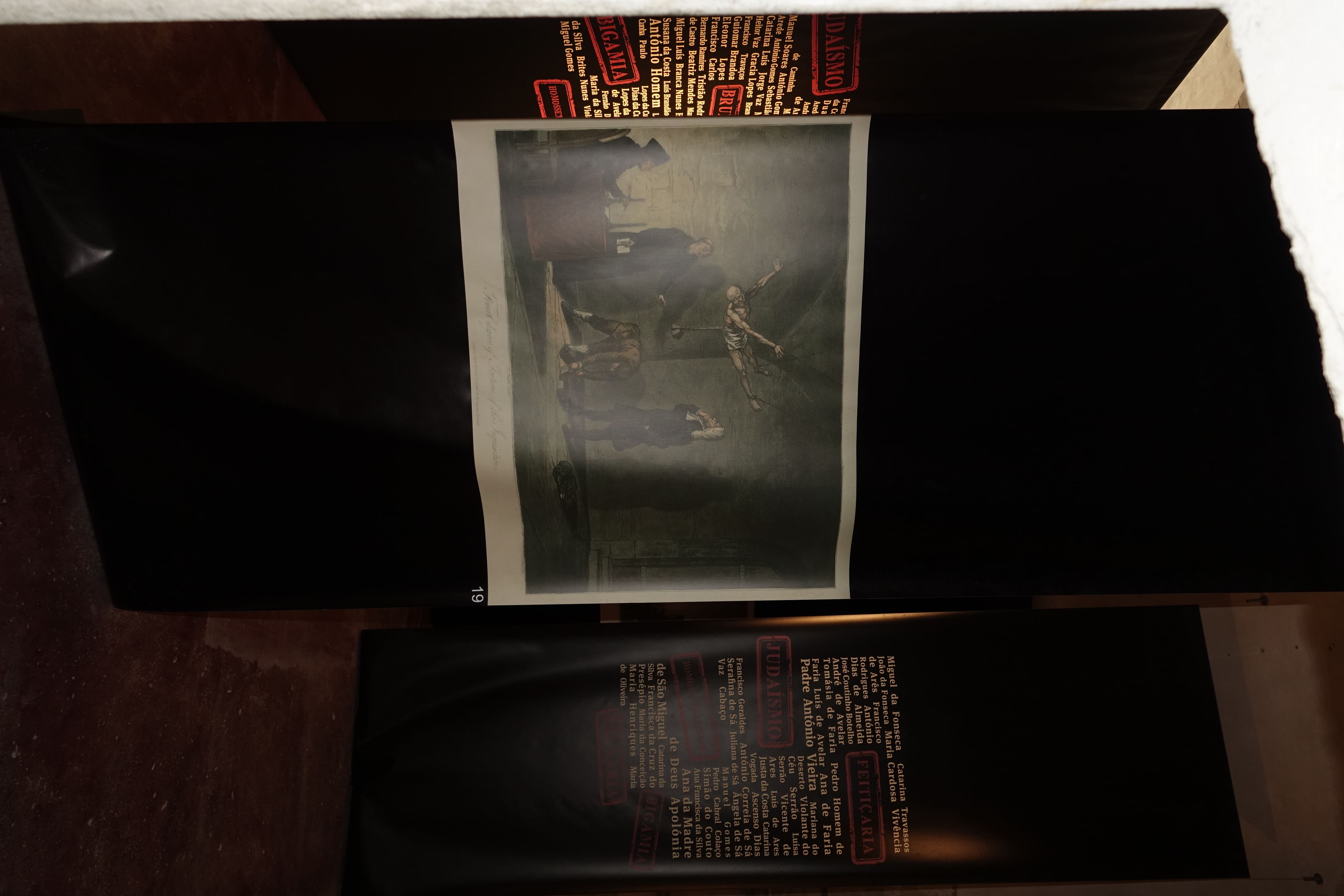
The building that houses the exhibition was originally designed as the Royal College of Arts, part of the monumental complex that was built, starting in 1535, on the brand new Rua de Santa Sofia. The installation of the Tribunal of the Holy Office of the Inquisition in the building, starting in 1566, gave rise to several renovations that allowed for the accommodation of the tribunal's administrative offices, cells, and torture chamber, causing irreversible damage to the beautiful Renaissance college. With the abolition of the Tribunal in 1821 and its subsequent transfer, initially to private ownership and then to the municipality, the building took on new functions, leaving scars from old wounds that have yet to heal, which the exhibition program sought to address.
Read more
Schedule
Tuesday to Friday, from 10:00 a.m. to 6:00 p.m.
Saturday and Sunday, from 10:00 a.m. to 1:00 p.m. and from 2:00 p.m. to 6:00 p.m.
Closed on Mondays and public holidays